
Lavender Seeds
$11.95

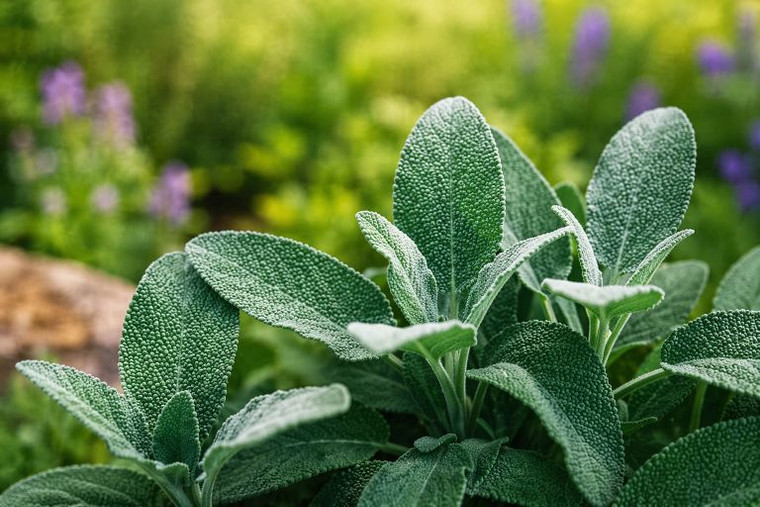
Grow a classic culinary and medicinal herb with Broadleaf Sage Seeds, scientifically known as Salvia officinalis. This hardy perennial is prized for its wide, soft, gray-green leaves and rich, earthy flavor that enhances a variety of dishes. Broadleaf sage is easy to grow and a must-have for herb gardens, kitchen gardens, and even ornamental borders.
Broadleaf sage produces larger leaves than common sage varieties, making it ideal for cooking, drying, and herbal uses. Its aromatic foliage is perfect for seasoning meats, stuffing, soups, and sauces, while also offering traditional herbal benefits. In addition to its culinary value, sage produces attractive purple-blue flowers that draw pollinators like bees and butterflies.
Key Features:
Growing Instructions:
Start seeds indoors 6–8 weeks before the last frost or sow directly outdoors after danger of frost has passed. Plant seeds about 1/4 inch deep in well-draining soil and keep the soil lightly moist until germination, which typically takes 10–21 days. Transplant seedlings outdoors once they are established, spacing plants about 18–24 inches apart. Sage thrives in full sun and prefers slightly dry conditions once mature. Avoid overwatering, as sage does best in well-drained soil. Prune regularly to encourage bushier growth and prevent woody stems.
Broadleaf sage is drought-tolerant once established and can be harvested regularly. For best flavor, pick leaves before the plant flowers, though the blooms are also beneficial for pollinators.
Add Broadleaf Sage to your garden for a reliable, flavorful herb that brings both beauty and function season after season.