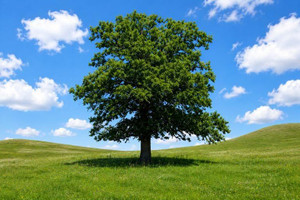
Black Mulberry is a long-lived fruit tree prized for its exceptionally sweet, rich-flavored berries and attractive spreading canopy. Native to western Asia, this deciduous tree produces dark purple to black fruits that are highly valued for fresh eating, jams, wines, and wildlife attraction. Black Mulberry trees are adaptable, drought tolerant once established, and make an excellent addition to home orchards, edible landscapes, and backyard gardens.
Botanical Information
- Botanical Name: Morus nigra
- Common Name: Black Mulberry
- Family: Moraceae
- Germination Rate: 60–80%
- Plant Type: Deciduous fruit tree
- Mature Height: 20–35 feet
- Mature Spread: 20–35 feet
- Growth Rate: Moderate
- Hardiness Zones: 5–9
- Native Range: Western Asia
- Light Requirements: Full sun to partial shade
Germination Instructions
Black Mulberry seeds require a period of cold moist stratification to improve germination rates.
- Cold moist stratify seeds for 60 days.
- Place seeds in a moist medium such as peat moss or vermiculite inside a sealed bag and refrigerate.
- After stratification, sow seeds approximately 1/8 inch deep.
- Keep the growing medium consistently moist but not saturated.
- Maintain temperatures between 70–80°F for best germination.
- Germination may occur over several weeks.
Growing Information
- Prefers fertile, well-drained loam soils.
- Tolerates clay, sandy, and moderately dry soils once established.
- Performs best in full sun for maximum fruit production.
- Trees are drought tolerant after establishment.
- Produces sweet, juicy black fruits that attract birds and wildlife.
- Excellent for home orchards, edible landscapes, and shade planting.
- Pruning during dormancy helps maintain shape and encourages fruit production.
- Trees can live for many decades and become highly ornamental with age.
Seed Quantities
- 1 oz. - 15,625 Seeds
- 1/4 lb. - 62,500 Seeds
- 1 lb. - 250,000 Seeds
Uses
- Home orchards
- Edible landscaping
- Wildlife gardens
- Shade trees
- Fresh fruit production
- Jams, preserves, and baking
- Urban and rural plantings