
Posted by TJ Hopkins on Jul 12th 2026
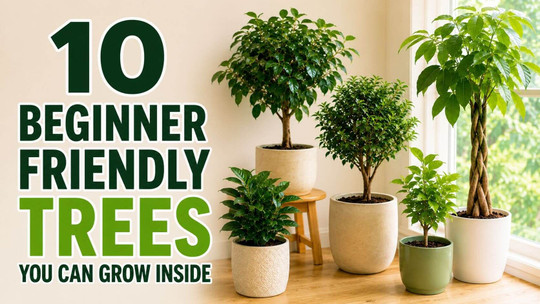
10 Beginner-Friendly Trees You Can Grow Inside
Growing a tree indoors may sound challenging, but many attractive tree species are surprisingly easy to maintain. With the right amount of light, occasional watering, and a suitable container, indoor trees can thrive for years while adding natural beauty to your home.
Indoor trees can fill empty corners, bring height to a room, improve the atmosphere, and create a relaxing connection with nature. Whether you have a sunny living room or a smaller space with indirect light, there is likely an indoor tree that fits your growing conditions.
Here are 10 beginner-friendly trees that are excellent choices for growing inside.
1. Money Tree
The money tree is one of the most recognizable indoor trees because of its glossy green leaves and attractive braided trunk. It is considered a forgiving houseplant and adapts well to typical indoor conditions.
Place a money tree where it receives bright, indirect sunlight. Allow the upper portion of the soil to dry slightly before watering again. Avoid leaving the roots in standing water because consistently soggy soil may cause root problems.
Money trees appreciate moderate humidity but generally adapt well to average household conditions.
Growing Tips:
- Light: Bright, indirect light
- Water: Allow the top 1–2 inches of soil to dry
- Mature Indoor Height: Approximately 6–8 feet
- Difficulty Level: Easy
2. Rubber Tree
Rubber trees are popular for their large, thick, glossy leaves. Depending on the variety, the foliage may be deep green, burgundy, or attractively variegated.
Rubber trees grow best near a bright window where they receive plenty of indirect sunlight. Water when the upper layer of soil feels dry. Their broad leaves may collect dust, so gently wiping them occasionally can help keep them looking healthy.
Regular pruning can control their height and encourage a fuller, more branched appearance.
Growing Tips:
- Light: Bright, indirect light
- Water: When the top 1–2 inches of soil are dry
- Mature Indoor Height: Approximately 6–10 feet
- Difficulty Level: Easy
3. Fiddle-Leaf Fig
The fiddle-leaf fig is known for its large, violin-shaped leaves and dramatic upright growth. Although it may require slightly more attention than some indoor trees, beginners can grow it successfully by providing consistent conditions.
Place the tree near a bright window, but protect it from intense afternoon sunlight. Avoid moving it frequently because sudden changes in light, temperature, or humidity may cause leaf drop.
Water thoroughly after the upper portion of the soil has dried, and always use a container with drainage holes.
Growing Tips:
- Light: Bright, filtered sunlight
- Water: Allow the upper soil to partially dry
- Mature Indoor Height: Approximately 6–10 feet
- Difficulty Level: Easy to moderate
4. Dwarf Umbrella Tree
The dwarf umbrella tree produces clusters of glossy leaflets that resemble small umbrellas. It grows relatively quickly and responds well to pruning, making it easy to maintain at a manageable indoor size.
This tree tolerates a range of indoor lighting conditions but grows best in bright, indirect light. Water when the upper inch or two of soil feels dry.
Pruning long stems can encourage a bushier shape and prevent the plant from becoming too tall or uneven.
Growing Tips:
- Light: Medium to bright, indirect light
- Water: Allow the upper soil to dry slightly
- Mature Indoor Height: Approximately 4–8 feet
- Difficulty Level: Easy
5. Weeping Fig
The weeping fig is a graceful indoor tree with slender branches and numerous small, glossy leaves. It has been grown indoors for generations and can become an impressive specimen with proper care.
Choose a bright location and avoid moving the tree unnecessarily. Weeping figs sometimes shed leaves when their environment changes, but new growth often appears after the plant adjusts.
Keep the soil moderately moist while allowing the surface to dry between waterings.
Growing Tips:
- Light: Bright, indirect light
- Water: When the upper inch of soil is dry
- Mature Indoor Height: Approximately 6–10 feet
- Difficulty Level: Easy to moderate
6. Dragon Tree
The dragon tree is an excellent option for beginners who want a tall indoor plant without complicated care requirements. It develops slender, woody stems topped with narrow, arching leaves.
Dragon trees tolerate lower light better than many indoor trees, although brighter indirect light encourages stronger growth. Allow the soil to dry partially before watering because the plant generally handles slight dryness better than excess moisture.
Its narrow growth habit also makes it suitable for apartments, offices, and smaller rooms.
Growing Tips:
- Light: Low to bright, indirect light
- Water: Allow approximately half of the soil to dry
- Mature Indoor Height: Approximately 5–8 feet
- Difficulty Level: Very easy
7. Norfolk Island Pine
The Norfolk Island pine has soft, symmetrical branches that create the appearance of a miniature evergreen tree. Despite its name and appearance, it is a tropical plant rather than a cold-hardy outdoor pine.
Place it near a bright window with indirect sunlight. Keep the soil lightly moist, but avoid saturating it. Norfolk Island pines appreciate moderate to high humidity and may develop dry, brown branch tips when the surrounding air is extremely dry.
Rotate the container occasionally to encourage balanced growth.
Growing Tips:
- Light: Bright, indirect light
- Water: Keep lightly and consistently moist
- Mature Indoor Height: Approximately 5–8 feet
- Difficulty Level: Easy to moderate
8. Yucca Cane
Yucca cane plants have sturdy trunks topped with clusters of long, pointed leaves. Their bold appearance works especially well in bright living rooms, entryways, and offices.
Yucca plants prefer plenty of light and tolerate occasional missed waterings. Allow much of the potting soil to dry before watering thoroughly. Excess water is generally a greater concern than temporary dryness.
Use a loose, well-draining potting mixture and a container with drainage holes.
Growing Tips:
- Light: Bright light with some direct sunlight
- Water: Allow most of the soil to dry
- Mature Indoor Height: Approximately 5–8 feet
- Difficulty Level: Very easy
9. Parlor Palm
The parlor palm has soft, arching fronds that add a tropical appearance without requiring intense sunlight. Its ability to tolerate lower-light conditions has made it a popular indoor plant for many years.
Place it in low to bright indirect light and water after the upper portion of the soil begins to dry. Avoid keeping the potting mixture constantly wet.
Parlor palms grow relatively slowly, making them easy to maintain in smaller indoor spaces.
Growing Tips:
- Light: Low to medium indirect light
- Water: Allow the soil surface to dry slightly
- Mature Indoor Height: Approximately 3–6 feet
- Difficulty Level: Very easy
10. Ponytail Palm
Despite its common name, the ponytail palm is not a true palm. It develops a swollen trunk that stores water and long, narrow leaves that curve downward like a ponytail.
Its ability to store moisture makes it especially forgiving for beginners who occasionally forget to water. Place it near a sunny window and allow the soil to dry thoroughly between waterings.
Ponytail palms grow slowly and can remain in the same container for several years.
Growing Tips:
- Light: Bright light or several hours of sunlight
- Water: Allow the soil to dry thoroughly
- Mature Indoor Height: Approximately 3–6 feet
- Difficulty Level: Very easy
Tips for Growing Indoor Trees Successfully
Most indoor tree problems are caused by improper watering or insufficient light. Before adding a tree to your home, consider the amount of natural light available and choose a species suited to those conditions.
Use containers with drainage holes and avoid allowing excess water to remain in saucers beneath the pots. Check the soil before watering rather than following a strict calendar because indoor conditions vary throughout the year.
Rotate indoor trees every few weeks so all sides receive light. During spring and summer, apply a balanced houseplant fertilizer according to the product directions. Reduce watering and fertilizer during winter when growth naturally slows.
Choosing the Best Indoor Tree for Your Home
The best indoor tree depends on your available space, lighting conditions, and watering habits. Money trees, rubber trees, and dwarf umbrella trees are excellent all-around choices for bright rooms. Dragon trees and parlor palms are better suited to areas with less natural light.
For sunny rooms, yucca cane and ponytail palm plants are attractive, low-maintenance options. If you want a dramatic statement tree, consider a fiddle-leaf fig or weeping fig.
Final Thoughts
Indoor trees can transform an ordinary room by adding height, texture, greenery, and natural beauty. Many species require less maintenance than people expect and can thrive for years with consistent light, proper drainage, and careful watering.
Start with one tree that matches the conditions in your home. As you become more comfortable caring for indoor plants, you can gradually create a beautiful collection that brings the relaxing appearance of nature inside.