
Posted by TJ Hopkins on Jul 4th 2026
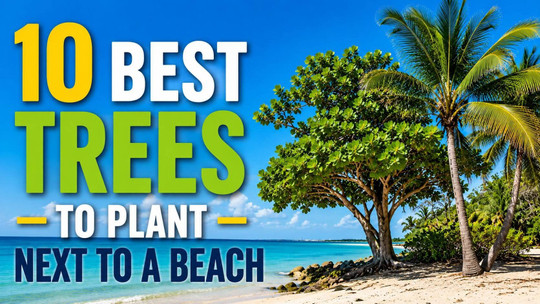
10 Best Trees to Plant Next to a Beach
Living near the beach offers stunning views, refreshing ocean breezes, and a relaxed coastal lifestyle. However, growing trees in these environments can be challenging due to salty air, sandy soils, high winds, and occasional drought conditions. Choosing the right species is essential if you want healthy, long-lasting trees that can thrive despite these harsh conditions.
The best beach trees are naturally adapted to coastal environments. They tolerate salt spray, establish strong root systems in sandy soil, and often provide valuable shade, privacy, erosion control, and wildlife habitat. Whether you're landscaping an oceanfront home or restoring a coastal property, these trees are among the best choices.
1. Coconut Palm (Cocos nucifera)
The Coconut Palm is one of the most recognizable trees found along tropical beaches worldwide. It thrives in sandy, well-drained soils and easily tolerates salt spray and coastal winds.
Why it's a great choice:
- Excellent salt tolerance
- Handles sandy soil well
- Iconic tropical appearance
- Produces edible coconuts
- Requires full sun
2. Sea Grape (Coccoloba uvifera)
Sea Grape is a favorite for beachfront landscapes because of its large, attractive leaves and exceptional salt tolerance. It naturally grows along coastlines throughout Florida and the Caribbean.
Benefits:
- Excellent wind resistance
- Provides dense shade
- Produces edible purple fruits
- Helps stabilize sandy soils
- Attractive year-round foliage
3. Live Oak (Quercus virginiana)
Live Oaks are excellent choices for coastal areas throughout the southeastern United States. Their massive spreading canopies provide outstanding shade while their deep root systems help withstand hurricanes and coastal storms.
Advantages:
- Extremely long-lived
- Highly wind resistant
- Excellent shade tree
- Supports birds and wildlife
- Tolerates coastal conditions well
4. Southern Magnolia (Magnolia grandiflora)
Southern Magnolia combines beauty with toughness. Its glossy evergreen leaves and fragrant white flowers make it a stunning addition to many coastal landscapes located slightly inland from direct ocean spray.
Highlights:
- Beautiful evergreen foliage
- Large fragrant blooms
- Moderate salt tolerance
- Excellent ornamental value
- Provides year-round privacy
5. Sabal Palm (Sabal palmetto)
Also known as the Cabbage Palm, this native palm is one of the toughest coastal trees available. It naturally withstands hurricanes, drought, flooding, and salty conditions.
Why gardeners love it:
- Native to coastal regions
- Extremely durable
- Low maintenance
- Excellent storm resistance
- Attractive tropical appearance
6. Australian Pine (Casuarina equisetifolia)
Although widely planted in many tropical coastal areas, Australian Pine should be used with caution because it is considered invasive in several regions.
Pros:
- Fast growing
- Excellent windbreak
- Highly salt tolerant
Note: Always check local regulations before planting this species.
7. Black Mangrove (Avicennia germinans)
For waterfront properties located directly along tidal areas, Black Mangrove provides outstanding erosion control while supporting fish, birds, and countless marine species.
Benefits:
- Stabilizes shorelines
- Excellent wildlife habitat
- Thrives in saltwater environments
- Helps reduce erosion
- Extremely salt tolerant
8. Buttonwood (Conocarpus erectus)
Buttonwood is a highly adaptable coastal tree often planted in beach communities. Its silver or green foliage creates an attractive landscape while tolerating difficult growing conditions.
Advantages:
- Excellent salt tolerance
- Handles drought well
- Strong wind resistance
- Great for privacy screens
- Low maintenance
9. Norfolk Island Pine (Araucaria heterophylla)
Despite its name, Norfolk Island Pine is not a true pine. It grows beautifully in coastal climates where winters remain mild and adds a unique architectural appearance.
Features:
- Distinctive symmetrical shape
- Moderate salt tolerance
- Excellent ornamental specimen
- Performs well near beaches
- Long-lived evergreen
10. Pandanus (Screw Pine) (Pandanus tectorius)
Pandanus is common throughout tropical coastlines across the Pacific. Its dramatic branching habit and long, arching leaves make it one of the most distinctive beach trees available.
Why it's popular:
- Thrives in sandy coastal soils
- Excellent salt resistance
- Handles high winds
- Unique tropical appearance
- Produces edible fruit in some varieties
Tips for Planting Trees Near the Beach
Even salt-tolerant trees benefit from proper planting and care.
- Dig a hole two to three times wider than the root ball.
- Water regularly during the first year while roots establish.
- Apply mulch to help retain moisture and reduce soil temperature.
- Choose species appropriate for your USDA Hardiness Zone.
- Plant slightly inland if your property receives heavy salt spray.
- Avoid excessive fertilization during the first growing season.
- Protect young trees from strong coastal winds with temporary staking if necessary.
Benefits of Planting Coastal Trees
Adding the right trees to your beachfront property offers more than just beauty.
- Provides cooling shade during hot summer months.
- Reduces wind exposure around homes and outdoor spaces.
- Helps prevent soil erosion.
- Creates habitat for birds, butterflies, and beneficial wildlife.
- Improves privacy.
- Enhances property value.
- Creates a lush tropical landscape that complements coastal living.
Final Thoughts
Beach environments can be harsh, but many trees have evolved to thrive in these challenging conditions. By selecting species that naturally tolerate salt, wind, sandy soils, and occasional drought, you can create a beautiful landscape that remains healthy for decades. Whether you prefer towering palms, sprawling shade trees, or hardy native coastal species, these ten trees are among the best options for planting next to a beach. With proper planting and care, they'll provide shade, beauty, and lasting enjoyment while standing up to the unique demands of coastal life.