
Posted by TJ Hopkins on May 24th 2026
10 Bugs You Should Keep in Your Garden
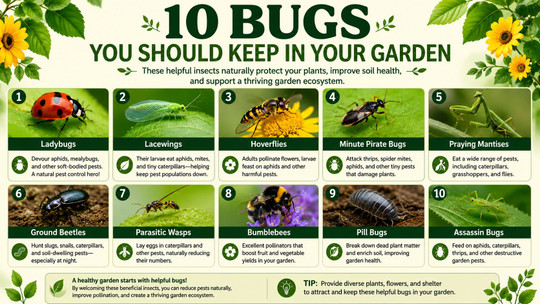
A thriving garden is more than just healthy plants and rich soil — it’s also home to beneficial insects that help naturally control pests, improve pollination, and support a balanced ecosystem. While many gardeners focus on getting rid of bugs, some insects are actually essential allies that can reduce the need for chemical pesticides and help plants grow stronger and healthier.
From ladybugs that devour aphids to bumblebees that pollinate flowers and vegetables, these hardworking garden helpers can make a huge difference in the success of your garden. Encouraging beneficial insects creates a more sustainable environment where plants, pollinators, and soil organisms all work together naturally.
1. Ladybugs
Ladybugs are one of the most beloved beneficial insects in the garden. Both adult ladybugs and their larvae feed on aphids, mealybugs, mites, and other soft-bodied pests that can quickly damage plants. A single ladybug can consume dozens of aphids per day, making them an excellent natural pest control option.
Planting flowers such as dill, fennel, and yarrow can help attract ladybugs to your garden and encourage them to stay throughout the growing season.
2. Lacewings
Lacewings are delicate green insects with transparent wings, but their larvae are fierce predators. Often called “aphid lions,” lacewing larvae feed on aphids, spider mites, whiteflies, caterpillars, and other destructive pests.
These insects are especially useful in vegetable gardens and flower beds where pest outbreaks can spread quickly.
3. Hoverflies
Hoverflies are often mistaken for bees because of their yellow-and-black striped appearance. Adult hoverflies pollinate flowers while their larvae feed heavily on aphids and other harmful insects.
Adding flowering herbs and native flowers to your landscape can attract hoverflies and improve pollination at the same time.
4. Minute Pirate Bugs
Despite their small size, minute pirate bugs are powerful garden predators. They feed on thrips, aphids, spider mites, and tiny insect eggs that damage vegetables and ornamental plants.
These insects are especially beneficial in greenhouses and raised garden beds where pest populations can grow rapidly.
5. Praying Mantises
Praying mantises are well-known hunters that eat a wide variety of garden pests including caterpillars, grasshoppers, flies, and beetles. Their stealth and patience make them effective natural predators in gardens of all sizes.
Providing shrubs, tall grasses, and natural hiding spots can encourage praying mantises to remain in your garden year after year.
6. Ground Beetles
Ground beetles are nighttime hunters that patrol the soil surface looking for slugs, snails, caterpillars, and other soil-dwelling pests. These beetles are particularly useful in vegetable gardens where slugs and cutworms can damage seedlings.
Mulch and ground cover provide excellent shelter for ground beetles during the day.
7. Parasitic Wasps
Parasitic wasps may sound intimidating, but they are harmless to humans and highly beneficial in the garden. These tiny wasps lay their eggs inside harmful insects such as caterpillars, tomato hornworms, and aphids, naturally reducing pest populations.
Growing small flowering plants like alyssum and dill can help attract parasitic wasps.
8. Bumblebees
Bumblebees are among the best pollinators for fruits, vegetables, and flowers. Their large fuzzy bodies help transfer pollen efficiently, increasing yields in crops like tomatoes, peppers, squash, and berries.
Avoiding pesticides and planting pollinator-friendly flowers can help support healthy bumblebee populations.
9. Pill Bugs
Pill bugs, also known as roly-polies, play an important role in breaking down dead plant material and enriching garden soil. By decomposing organic matter, they help improve soil structure and nutrient availability.
Healthy compost piles and moist organic mulch create ideal conditions for pill bugs.
10. Assassin Bugs
Assassin bugs are aggressive predators that feed on aphids, caterpillars, beetles, and many other destructive insects. These beneficial hunters help maintain balance in the garden by reducing pest outbreaks naturally.
Because assassin bugs can bite if handled, it’s best to admire them from a distance while they work.
Tips for Attracting Beneficial Bugs
Creating a bug-friendly garden is easier than many gardeners realize. Here are a few simple ways to attract and keep beneficial insects around:
- Plant a variety of flowers that bloom throughout the season
- Avoid broad-spectrum pesticides whenever possible
- Provide shallow water sources for pollinators
- Leave some mulch, leaf litter, or natural shelter areas
- Grow herbs such as dill, fennel, cilantro, and basil
- Include native plants that support local insect populations
Final Thoughts
Beneficial insects are one of nature’s best tools for maintaining a healthy, productive garden. Instead of fighting every bug you see, learning which insects help your plants can lead to better pollination, fewer pest problems, and healthier soil over time.
By welcoming these helpful garden allies into your landscape, you can create a thriving ecosystem that supports strong plant growth naturally — without relying heavily on chemicals or pesticides.