
Posted by TJ Hopkins on Jul 5th 2026
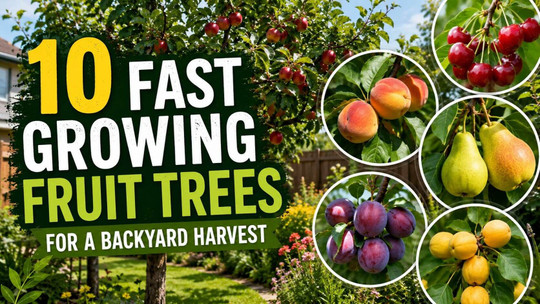
10 Fast Growing Fruit Trees for a Backyard Harvest
There’s nothing quite like stepping into your backyard and picking fresh fruit straight from the tree. While some fruit trees take years to produce, many modern varieties and naturally vigorous species begin bearing fruit surprisingly quickly—often within just 2 to 4 years after planting. Choosing fast-growing fruit trees lets you enjoy homegrown harvests sooner while adding beauty, shade, and wildlife value to your landscape.
Whether you have a large yard or a small suburban garden, these fast-growing fruit trees are excellent choices for creating your own backyard orchard.
1. Peach Tree (Prunus persica)
Peach trees are among the quickest fruit trees to reward gardeners with delicious fruit. Many grafted varieties begin producing peaches in as little as two to three years after planting.
Why Grow It?
- Produces fruit quickly
- Sweet, juicy peaches perfect for fresh eating
- Beautiful pink spring blossoms
- Compact varieties available for small yards
Growing Conditions
- USDA Zones: 5–9
- Sun: Full sun
- Soil: Well-drained, fertile soil
- Mature Height: 10–20 feet
2. Apple Tree (Malus domestica)
Modern dwarf and semi-dwarf apple trees can produce fruit much sooner than traditional full-sized trees. Many begin producing within two to four years.
Why Grow It?
- Hundreds of varieties available
- Excellent for fresh eating and baking
- Attractive spring flowers
- Long-lived and productive
Growing Conditions
- USDA Zones: 3–8
- Sun: Full sun
- Soil: Moist, well-drained
- Mature Height: 8–20 feet depending on rootstock
3. Cherry Tree (Prunus avium & Prunus cerasus)
Sweet and tart cherry trees grow quickly and reward gardeners with delicious fruit while producing spectacular spring blossoms.
Why Grow It?
- Beautiful ornamental flowers
- Sweet or tart fruit options
- Excellent for desserts and preserves
- Fast establishment
Growing Conditions
- USDA Zones: 4–8
- Sun: Full sun
- Soil: Well-drained soil
- Mature Height: 15–30 feet
4. Plum Tree (Prunus domestica)
Plum trees are vigorous growers that often begin producing within three to four years. Their attractive blossoms make them ornamental as well as productive.
Why Grow It?
- Heavy fruit production
- Great for fresh eating and jams
- Easy to grow
- Excellent pollinator attraction
Growing Conditions
- USDA Zones: 4–9
- Sun: Full sun
- Soil: Fertile, well-drained
- Mature Height: 15–25 feet
5. Pear Tree (Pyrus communis)
Pear trees establish quickly and become dependable producers with proper care. Many modern varieties fruit within three to five years.
Why Grow It?
- Crisp, flavorful fruit
- Long lifespan
- Disease-resistant varieties available
- Beautiful white spring flowers
Growing Conditions
- USDA Zones: 4–8
- Sun: Full sun
- Soil: Well-drained soil
- Mature Height: 15–30 feet
6. Apricot Tree (Prunus armeniaca)
Apricot trees are excellent choices for gardeners looking for early harvests in warmer regions. They produce sweet golden fruit ideal for fresh eating or drying.
Why Grow It?
- Early-season harvest
- Attractive spring blooms
- Compact growth habit
- Delicious fresh or dried fruit
Growing Conditions
- USDA Zones: 5–9
- Sun: Full sun
- Soil: Well-drained soil
- Mature Height: 15–20 feet
7. Fig Tree (Ficus carica)
Fig trees grow rapidly and often produce fruit within two years. In colder climates, they can even be grown in large containers and protected during winter.
Why Grow It?
- Very fast fruit production
- Sweet, nutritious figs
- Heat and drought tolerant
- Great for containers
Growing Conditions
- USDA Zones: 7–10
- Sun: Full sun
- Soil: Well-drained soil
- Mature Height: 10–30 feet
8. Mulberry Tree (Morus alba, Morus rubra)
Mulberry trees are incredibly vigorous growers that produce abundant berries after only a few years.
Why Grow It?
- Extremely fast-growing
- Heavy fruit production
- Wildlife favorite
- Excellent shade tree
Growing Conditions
- USDA Zones: 4–9
- Sun: Full sun
- Soil: Adaptable to many soil types
- Mature Height: 30–50 feet
9. Nectarine Tree (Prunus persica var. nucipersica)
Closely related to peaches, nectarines offer smooth-skinned fruit and fast growth, making them another excellent backyard choice.
Why Grow It?
- Sweet, juicy fruit
- Beautiful spring blossoms
- Quick production
- Great fresh or canned
Growing Conditions
- USDA Zones: 5–9
- Sun: Full sun
- Soil: Rich, well-drained soil
- Mature Height: 10–20 feet
10. Persimmon Tree (Diospyros kaki & Diospyros virginiana)
Persimmon trees grow steadily and become highly productive with age. They are known for their attractive fall foliage and unique orange fruit.
Why Grow It?
- Easy to maintain
- Attractive year-round
- Excellent fall color
- Sweet fruit after ripening
Growing Conditions
- USDA Zones: 4–10 (depending on species)
- Sun: Full sun
- Soil: Well-drained soil
- Mature Height: 20–35 feet
Tips for Faster Fruit Production
To help your fruit trees produce sooner:
- Plant grafted nursery trees instead of seedlings.
- Choose a sunny location with at least 6–8 hours of direct sunlight daily.
- Water consistently during the first few growing seasons.
- Apply compost or balanced fertilizer each spring.
- Prune annually to improve airflow and encourage healthy growth.
- Mulch around the base to retain moisture and suppress weeds.
- Select disease-resistant varieties whenever possible.
Frequently Asked Questions
Which fruit tree produces fruit the fastest?
Fig trees, peach trees, and dwarf apple trees are among the fastest, with many producing fruit in as little as two to three years.
Do dwarf fruit trees produce fruit sooner?
Yes. Dwarf and semi-dwarf trees generally begin bearing fruit earlier than standard-sized trees while requiring less space.
Can I grow multiple fruit trees in a small yard?
Absolutely. Dwarf fruit trees, espalier-trained trees, and columnar varieties are ideal for compact gardens and can provide impressive harvests in limited space.
Do I need more than one tree?
Some fruit trees, such as many apples, pears, cherries, and plums, require a compatible pollinator. Others, including peaches, nectarines, figs, and many apricots, are self-fertile and can produce fruit on their own.
Final Thoughts
Growing your own fruit is one of the most rewarding ways to enjoy fresh, healthy food right from your backyard. By choosing fast-growing fruit trees, you won't have to wait many years before harvesting baskets of delicious apples, peaches, pears, cherries, plums, and more. With proper planting, watering, and seasonal care, these trees will provide abundant harvests for many years while adding beauty, shade, and value to your landscape.