
Posted by TJ Hopkins on Jul 11th 2026
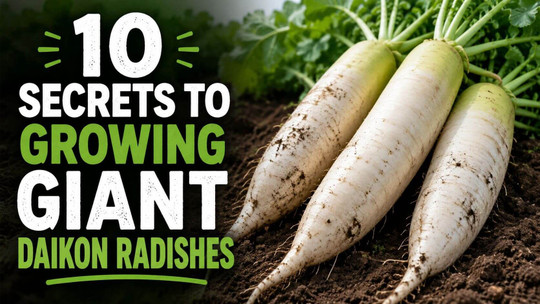
10 Secrets to Growing Giant Daikon Radishes
Daikon radishes are known for producing long, thick white roots that can grow much larger than ordinary garden radishes. With the right soil preparation, planting time, moisture, and spacing, these fast-growing vegetables can reach an impressive size while remaining crisp, tender, and flavorful.
Growing giant daikon radishes is not simply a matter of leaving them in the ground longer. Large, healthy roots require loose soil, consistent care, and enough room to develop without obstacles. Whether you are growing daikon for fresh eating, pickling, cooking, or improving garden soil, these ten secrets can help you produce bigger and better roots.
1. Choose a Large Daikon Variety
The variety you plant plays an important role in determining the final size of your radishes. Some daikon varieties naturally produce much longer and heavier roots than others.
Look for varieties known for producing large roots, such as:
- Minowase
- Miyashige
- Japanese Long White
- Alpine
- Shiroagari
- Tama Hybrid
Minowase daikon is especially popular among gardeners who want large, smooth roots. Under favorable growing conditions, the roots may grow 18 inches long or more.
Always check the seed description before planting. A small or compact daikon variety will not become enormous regardless of how long it remains in the garden.
2. Plant During Cool Weather
Daikon radishes grow best during cool weather. Temperatures that are too warm can cause the plants to develop excessive leafy growth, produce smaller roots, or bolt and form flowers before the roots reach their full size.
For a fall harvest, sow seeds approximately 8 to 10 weeks before your average first fall frost. Fall-grown daikon often develops larger and sweeter roots because the plants mature during gradually cooling weather.
In areas with mild winters, daikon may be planted in late fall or winter. Gardeners in colder climates can also plant in early spring as soon as the soil can be worked.
Ideal growing temperatures are generally between 50°F and 70°F. A light frost may improve the flavor by making the roots taste sweeter.
3. Prepare Deep, Loose Soil
Deep soil preparation is one of the most important secrets to growing giant daikon radishes. The long roots need loose soil that allows them to grow downward without encountering rocks, compacted layers, or hard clumps.
Loosen the soil to a depth of at least 12 to 18 inches. For varieties capable of producing exceptionally long roots, preparing the soil even deeper may be beneficial.
Remove:
- Rocks
- Large roots
- Hard soil clumps
- Sticks
- Other underground obstructions
Avoid walking on the prepared planting area because foot traffic can compact the soil again. Raised beds are often ideal for daikon because they provide deeper, looser growing conditions and improved drainage.
4. Improve Heavy Soil Before Planting
Heavy clay or compacted soil can restrict root growth and cause daikon radishes to become short, forked, twisted, or misshapen.
Mix mature compost into the soil before planting to improve its texture and drainage. Well-decomposed organic matter can help create the loose growing conditions needed for long, straight roots.
Avoid adding fresh manure immediately before planting. Fresh manure may contain excessive nitrogen and can encourage distorted or forked roots.
Gardeners with extremely heavy soil may have better results growing daikon in raised beds filled with a loose mixture of quality topsoil and mature compost.
5. Avoid Too Much Nitrogen
Daikon radishes need nutrients, but excessive nitrogen can produce large green leaves at the expense of root development.
If your plants look lush and leafy but produce thin or undersized roots, too much nitrogen may be part of the problem. Avoid applying high-nitrogen lawn fertilizers or large amounts of fresh manure near the planting area.
Before adding fertilizer, consider testing your garden soil. If additional nutrients are needed, use a balanced fertilizer or one with a lower nitrogen level according to the product directions.
Phosphorus and potassium support healthy root development, but adding more fertilizer than the soil needs will not necessarily produce larger radishes.
6. Sow Seeds Directly in the Garden
Daikon radishes generally perform best when their seeds are planted directly where the roots will mature.
Transplanting seedlings can disturb the developing taproot and may result in crooked, forked, or stunted radishes. Direct sowing allows the root to grow downward naturally from the beginning.
Plant seeds approximately 1/2 inch deep and gently cover them with loose soil. Keep the planting area consistently moist until germination occurs.
Depending on temperature and growing conditions, daikon seeds commonly begin germinating within several days.
7. Give Each Plant Plenty of Space
Crowded daikon plants compete for sunlight, water, nutrients, and underground growing room. Proper spacing is essential when the goal is to produce giant roots.
Once seedlings are a few inches tall, thin them so the strongest plants remain approximately 4 to 6 inches apart. Very large varieties may benefit from even wider spacing.
Leave approximately 12 to 18 inches between rows to make watering, weeding, and harvesting easier.
Do not allow crowded seedlings to continue growing because they appear healthy. Their leaves may look vigorous above the soil while their roots remain narrow and undersized below the surface.
When thinning, carefully snip unwanted seedlings at soil level instead of pulling them if the roots are tightly crowded. This helps prevent disturbing the remaining plants.
8. Keep the Soil Consistently Moist
Regular moisture encourages steady growth and helps daikon radishes develop tender, crisp roots.
Allowing the soil to repeatedly become very dry and then heavily watering it can stress the plants. Irregular moisture may contribute to tough texture, stronger flavor, cracking, or uneven root development.
Provide approximately 1 inch of water per week, adjusting for rainfall, temperature, soil type, and local conditions. Sandy soil may require more frequent watering because it dries quickly.
Water deeply enough to moisten the root zone rather than applying only a light spray to the soil surface.
A thin layer of organic mulch can help:
- Retain soil moisture
- Reduce weed growth
- Moderate soil temperatures
- Protect exposed root shoulders
Keep thick mulch slightly away from the base of young seedlings to maintain good airflow.
9. Control Weeds While Plants Are Young
Young daikon seedlings need access to sunlight, moisture, nutrients, and growing space. Weeds can compete with them during the important early stages of development.
Remove weeds regularly while they are small. Use care when cultivating around the plants because deep hoeing may damage the developing roots.
Once the daikon leaves grow large enough to shade the soil, they may naturally suppress some new weed growth.
Mulching between rows can also reduce weeds, but avoid burying young daikon plants beneath heavy mulch.
10. Harvest at the Right Time
Leaving daikon radishes in the soil longer does not always make them better. Roots harvested too late may become woody, fibrous, overly spicy, cracked, or hollow.
Check the expected days to maturity listed on the seed packet. Many daikon varieties are ready approximately 50 to 70 days after planting, although some may take longer.
The upper portion of the root may rise above the soil as it grows. This can provide an indication of root width, but the visible shoulder does not reveal the root’s entire size.
To harvest, loosen the surrounding soil with a garden fork before gently lifting the root. Avoid placing the fork too close to the radish because long daikon roots can be easily punctured or broken.
Harvesting after cool weather or a light frost may produce sweeter, milder-tasting roots.
Additional Tips for Growing Extra-Large Daikon
For the biggest possible roots, focus on maintaining steady growth from germination until harvest. Stress caused by heat, drought, crowding, compacted soil, or sudden changes in moisture can limit root development.
A few additional practices may improve results:
- Rotate radishes and other members of the cabbage family to reduce recurring pest and disease problems.
- Use row covers over young plants if flea beetles are common in your area.
- Avoid damaging leaves because healthy foliage supplies energy for root growth.
- Plant new rows every one to two weeks for a longer harvest period.
- Keep the soil evenly moist during the final weeks before harvest.
- Grow daikon in raised beds if native soil is shallow, rocky, or heavily compacted.
Common Problems When Growing Daikon Radishes
Large Leaves but Small Roots
Excess nitrogen, crowding, warm temperatures, or insufficient sunlight may encourage leafy growth while limiting root development.
Forked or Twisted Roots
Compacted soil, rocks, fresh manure, root damage, or transplanting may cause misshapen roots.
Tough or Woody Radishes
Roots may become tough when they are harvested too late, exposed to prolonged heat, or grown with inconsistent moisture.
Cracked Roots
Sudden heavy watering after a dry period may cause rapidly expanding roots to split.
Plants Flower Before Producing Large Roots
Warm temperatures and increasing day length may trigger bolting. Planting during cooler weather can reduce this problem.
How Long Does It Take to Grow Giant Daikon Radishes?
Most daikon radishes mature in approximately 50 to 70 days, depending on the variety and growing conditions. Some extra-large varieties may need additional time.
Cool temperatures, loose fertile soil, regular moisture, and proper spacing encourage steady growth. Check the variety’s expected maturity date and begin inspecting roots as harvest time approaches.
Final Thoughts
Growing giant daikon radishes begins with selecting the right variety and preparing deep, loose soil. Plant during cool weather, sow seeds directly in the garden, thin seedlings generously, and maintain consistent moisture throughout the growing season.
With enough underground space and steady care, daikon radishes can produce remarkably long, thick roots that are crisp, flavorful, and useful in a wide variety of recipes. The key is encouraging uninterrupted growth rather than simply leaving the roots in the soil for a longer period.