
Posted by TJ Hopkins on May 18th 2026
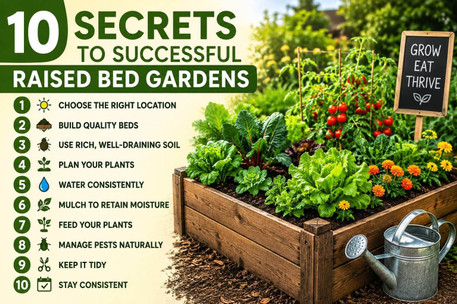
10 Secrets to Successful Raised Bed Gardens
Raised bed gardening has become one of the most popular ways to grow vegetables, herbs, and flowers at home. Whether you have a large backyard or a small urban space, raised beds make gardening easier, more productive, and more enjoyable. They improve drainage, reduce weeds, and allow you to control soil quality for healthier plants and bigger harvests.
If you want thriving plants all season long, these 10 secrets will help you create a successful raised bed garden that produces beautiful flowers and delicious vegetables year after year.
1. Choose the Right Location
The success of your raised bed garden starts with location. Most vegetables and flowering plants need at least 6 to 8 hours of direct sunlight daily. Choose a spot that gets plenty of sun and has easy access to water.
Avoid placing raised beds in low areas where water collects after rain. Good airflow is also important to help prevent plant diseases and mildew.
2. Build Quality Raised Beds
Strong, durable raised beds last longer and support healthy plant growth. Cedar and redwood are popular choices because they naturally resist rot and insects. Avoid treated wood that may contain chemicals not suitable for edible gardens.
A bed depth of 10 to 12 inches works well for most vegetables, while root crops like carrots may need deeper soil.
3. Use Rich, Well-Draining Soil
Healthy soil is the foundation of every successful garden. Raised beds perform best when filled with nutrient-rich soil that drains well while still holding moisture.
A good mix often includes:
- Compost
- Topsoil
- Peat moss or coconut coir
- Perlite or vermiculite
Adding compost each season helps maintain fertility and encourages strong root development.
4. Plan Your Plants Carefully
Proper spacing is essential in raised bed gardens. Overcrowded plants compete for nutrients, water, and sunlight, leading to poor harvests and disease problems.
Group plants with similar watering and sunlight needs together. Tall plants like tomatoes should be placed where they won’t shade smaller crops such as lettuce or herbs.
Companion planting can also improve growth and naturally deter pests.
5. Water Consistently
Raised beds dry out faster than traditional gardens, especially during hot summer weather. Consistent watering keeps plants healthy and prevents stress that can reduce yields.
Water deeply in the morning whenever possible. Drip irrigation or soaker hoses work especially well because they deliver moisture directly to the roots while conserving water.
6. Mulch to Retain Moisture
Mulch helps regulate soil temperature, reduce weeds, and retain moisture. Organic mulches also improve soil quality as they break down.
Popular mulch options include:
- Straw
- Shredded leaves
- Grass clippings
- Wood chips
Apply 2 to 3 inches of mulch around plants for best results.
7. Feed Your Plants Regularly
Plants in raised beds grow quickly and may use nutrients faster than those in traditional gardens. Feeding your plants throughout the growing season encourages stronger growth and higher yields.
Organic fertilizers, compost tea, and fish emulsion are great options for maintaining healthy soil and vigorous plants.
8. Manage Pests Naturally
Healthy raised bed gardens attract beneficial insects and pollinators, but pests can still become a problem. Instead of relying on harsh chemicals, use natural pest control methods whenever possible.
Helpful strategies include:
- Planting marigolds to deter insects
- Encouraging ladybugs and pollinators
- Hand-picking pests
- Using neem oil or insecticidal soap
Keeping plants healthy is often the best defense against pest problems.
9. Keep Your Garden Tidy
Regular maintenance keeps raised beds productive and attractive. Remove dead leaves, weeds, and diseased plants promptly to reduce pest and disease issues.
Pruning tomatoes, harvesting vegetables regularly, and cleaning up debris can improve airflow and encourage continuous growth throughout the season.
10. Stay Consistent
Successful gardening comes from steady care and observation. Spend a few minutes each day checking your raised beds for watering needs, pests, and plant growth.
Consistency helps you catch problems early and keeps your garden healthy all season long.
Final Thoughts
Raised bed gardening is one of the easiest and most rewarding ways to grow your own food and flowers. By choosing the right location, building quality beds, improving your soil, and staying consistent with care, you can enjoy productive harvests and beautiful plants year after year.
Whether you are growing tomatoes, lettuce, herbs, or colorful flowers, these raised bed gardening secrets can help you create a thriving garden space that’s both beautiful and productive.