
Posted by TJ Hopkins on Sep 7th 2026
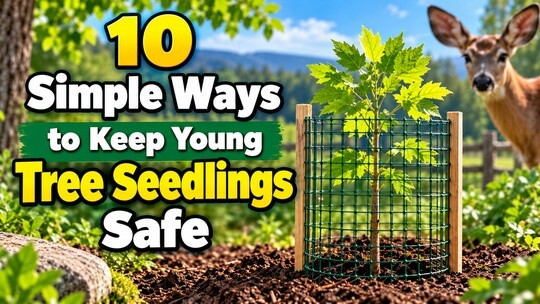
10 Simple Ways to Keep Young Tree Seedlings Safe
Young tree seedlings are vulnerable during their first few years of growth. Deer, rabbits, strong winds, drought, lawn equipment, and extreme temperatures can quickly damage or kill an unprotected seedling.
Fortunately, protecting young trees does not have to be difficult or expensive. These ten simple methods can help your seedlings survive, establish strong roots, and grow into healthy mature trees.
1. Install a Tree Guard
Place a sturdy tree guard around each seedling to protect it from deer, rabbits, rodents, and accidental damage. Welded wire fencing or rigid plastic mesh works especially well.
The guard should be tall enough to discourage deer and wide enough that it does not press against the leaves or branches. Check it regularly and enlarge or remove it as the tree grows.
2. Protect the Trunk
Rabbits, mice, and voles sometimes chew the bark from young trees, particularly during winter when other food is scarce. Severe bark damage can prevent water and nutrients from moving through the tree.
Use a breathable spiral tree wrap, hardware cloth, or plastic trunk protector around the lower trunk. Extend the protection slightly below the soil surface and high enough to remain above expected snowfall.
3. Add Mulch Around the Seedling
Apply a two-to-three-inch layer of wood chips, shredded bark, or leaf mulch around the seedling. Mulch helps the soil retain moisture, moderates soil temperature, and reduces competition from weeds.
Keep the mulch several inches away from the trunk. Piling it directly against the bark can hold excessive moisture and encourage rot, insects, and disease.
4. Water Deeply and Consistently
Newly planted trees need consistent moisture while their roots become established. Water deeply enough to moisten the soil around the entire root zone rather than giving the tree a small amount every day.
Most seedlings benefit from approximately one inch of water per week, including rainfall. They may require more during hot, dry, or windy weather. Always check the soil before watering because constantly saturated ground can damage the roots.
5. Use a Stake When Necessary
A stake can support a seedling planted in an exposed or windy location. Use a soft, flexible tree tie that will not cut into the bark.
The trunk should still be able to move slightly in the wind because natural movement helps it develop strength. Remove the stake and ties once the tree can stand securely, usually within one growing season.
6. Create a Windbreak
Strong wind can dry out leaves, bend stems, and loosen newly developing roots. A temporary windbreak made from burlap, snow fencing, or garden fabric can protect seedlings in open areas.
Place the barrier on the side facing the prevailing wind. Do not wrap the entire tree tightly, as the seedling still needs sunlight and good air circulation.
7. Keep Weeds and Grass Away
Grass and weeds compete with young trees for water, nutrients, and sunlight. Maintain a vegetation-free circle around each seedling, ideally extending at least two feet from the trunk.
Pull weeds by hand or cover them with mulch. Avoid using string trimmers close to the tree because even a small cut in the thin bark can cause lasting damage.
8. Mark the Seedling Clearly
Small seedlings are easy to overlook, especially after nearby grass and vegetation grow tall. Mark each planting site with a visible stake, flag, or protective cage.
Clear markers help prevent seedlings from being stepped on, mowed over, or damaged by landscaping equipment. They also make it easier to locate and inspect the trees throughout the year.
9. Provide Protection From Extreme Weather
Weather protection may be necessary during a seedling’s first few seasons. Shade cloth can protect sensitive trees from intense summer sunlight, while frost cloth can reduce damage during unexpected cold weather.
Choose materials that allow air and moisture to circulate. Avoid placing plastic directly over a seedling because temperatures can rise quickly underneath it on sunny days.
10. Inspect Your Seedlings Regularly
Examine young trees at least once every few weeks and after severe storms. Look for broken branches, leaning trunks, chewed bark, insect activity, wilting leaves, and damaged guards.
Early attention can prevent a minor problem from becoming serious. Adjust tight ties, repair fencing, replace mulch, and water the tree whenever necessary.
Give Young Trees a Strong Beginning
Protecting a young tree seedling requires only a little preparation and regular care. A protective guard, sufficient water, proper mulch, and routine inspections can dramatically improve its chance of survival.
The time you spend caring for a seedling today can result in decades of shade, beauty, wildlife habitat, and environmental benefits. With the right protection, your small seedling can eventually become a strong and healthy mature tree.