
Posted by TJ Hopkins on Jul 14th 2026
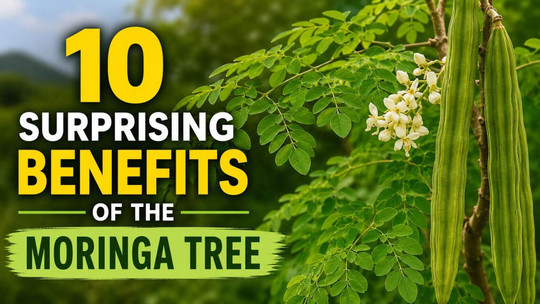
10 Surprising Benefits of the Moringa Tree
The moringa tree is often called the “Miracle Tree,” and it is easy to understand why. Native to parts of South Asia and now grown throughout tropical and subtropical regions, moringa is valued for its nutritious leaves, fast growth, drought tolerance, attractive flowers, and long seed pods.
Nearly every part of the moringa tree has a traditional use, including the leaves, flowers, young pods, seeds, and roots. Gardeners appreciate the tree because it grows quickly and can provide edible leaves within its first growing season under favorable conditions.
Whether you are interested in growing nutritious plants, creating a tropical-looking garden, or experimenting with unusual trees, here are 10 surprising benefits of the moringa tree.
1. Moringa Leaves Are Highly Nutritious
One of the best-known benefits of the moringa tree is the nutritional value of its leaves. Fresh moringa leaves contain a variety of vitamins, minerals, antioxidants, and plant compounds.
The leaves provide nutrients such as:
- Vitamin A precursors
- Vitamin C
- Calcium
- Potassium
- Iron
- Protein
- Fiber
Nutrient levels can vary depending on the growing conditions, age of the leaves, and whether they are eaten fresh or dried. Moringa leaves are commonly added to soups, stews, curries, salads, smoothies, and other foods.
The leaves have a mild, earthy flavor that is sometimes compared to spinach or other leafy greens.
2. The Tree Grows Surprisingly Fast
Moringa is one of the faster-growing edible trees. Under warm conditions with adequate sunlight and well-draining soil, young trees may grow several feet during a single growing season.
Its rapid growth makes moringa useful for gardeners who want quick foliage, edible leaves, or a tropical appearance without waiting many years for a tree to mature.
Regular pruning can encourage the tree to develop more side branches and remain at a manageable height. A shorter, bushier moringa tree also makes harvesting the leaves easier.
3. Moringa Is Naturally Drought Tolerant
Once established, moringa trees can tolerate periods of dry weather. Their drought tolerance makes them especially useful in warm climates where rainfall may be seasonal or inconsistent.
Young seedlings still require regular moisture while developing their root systems. However, established trees generally prefer soil that drains quickly and may suffer when planted in constantly wet or waterlogged ground.
Although moringa tolerates drought, occasional deep watering during extended dry periods can support healthier leaf production.
4. The Young Seed Pods Are Edible
Moringa produces long, slender seed pods that are sometimes called drumsticks because of their shape. Young, tender pods are commonly cooked and eaten in several traditional cuisines.
The pods may be added to:
- Soups
- Stews
- Curries
- Vegetable dishes
Young pods are generally harvested before they become tough and fibrous. Their flavor is mild and slightly similar to green beans or asparagus.
As the pods mature, they become woody and develop seeds inside.
5. The Leaves Can Be Harvested Repeatedly
Unlike many garden vegetables that are harvested only once, moringa can produce new leaves throughout the warm growing season.
Gardeners can remove individual leaves or cut back young branches to encourage fresh growth. Regular harvesting may help maintain a shorter, fuller tree rather than allowing it to grow tall with most of its foliage near the top.
Always avoid removing too much foliage from a young or stressed tree at one time. Leaving enough healthy growth allows the plant to continue producing energy.
6. Moringa Produces Attractive Flowers
Moringa trees produce clusters of small, fragrant flowers that are typically white or cream-colored. The delicate flowers create an attractive contrast against the tree’s soft green foliage.
In warm climates, established trees may bloom for extended periods. The flowers can also attract bees and other beneficial pollinating insects.
Moringa flowers have traditional culinary uses in some regions, although anyone unfamiliar with edible plants should correctly identify the plant and research safe preparation methods before consuming any part of it.
7. It Can Be Grown in Containers
Gardeners outside tropical climates can grow moringa in large containers. Container growing makes it easier to move the plant indoors before temperatures become too cold.
Choose a container with large drainage holes and use a loose, well-draining potting mix. Moringa develops quickly, so it may need a larger container as it grows.
Container-grown trees can be pruned regularly to maintain a manageable size. They may not grow as large or produce as many pods as trees planted directly in the ground, but they can still provide attractive foliage and harvestable leaves.
8. Moringa Can Be Used as a Seasonal Plant
Moringa is a tropical or subtropical tree and does not tolerate hard freezes. However, gardeners in colder regions can grow it as a fast-growing annual during the warmest months.
Seeds can be started indoors before the last expected frost or planted outdoors after the soil has warmed. With plenty of heat and sunlight, the seedlings can grow rapidly throughout summer.
Before freezing weather arrives, gardeners may harvest the remaining leaves or move container-grown plants indoors.
9. The Tree Responds Well to Pruning
Without pruning, moringa can become tall and difficult to harvest. Fortunately, the tree generally responds well to trimming during active growth.
Pruning the main growing tip encourages side branches to develop. This creates a fuller plant with more foliage at an accessible height.
Regular pruning may offer several advantages:
- Easier leaf harvesting
- A bushier growth habit
- More manageable tree height
- Increased branching
- Improved appearance in smaller gardens
Use clean, sharp pruning tools and avoid heavy pruning when the tree is stressed by cold, drought, or disease.
10. Many Parts of the Tree Have Traditional Uses
One of the most surprising characteristics of moringa is the number of ways people have traditionally used different parts of the tree.
Depending on the region, people may use:
- Leaves as a cooked green or dried powder
- Young pods in soups and curries
- Flowers in traditional foods
- Mature seeds for oil production
- Plant material for agricultural purposes
Not every part of the tree is prepared or consumed in the same way. Some parts, particularly the roots and root bark, contain compounds that may be unsafe and should not be treated as ordinary foods. When growing moringa for edible use, focus on commonly consumed parts and follow reliable preparation guidance.
How to Grow a Moringa Tree
Moringa grows best in a warm, sunny location with loose, well-draining soil. Select a planting area that receives at least six to eight hours of direct sunlight each day.
Plant seeds approximately ½ to 1 inch deep and keep the soil lightly moist while they germinate. Avoid soaking the soil because excessive moisture may encourage seed rot.
Moringa generally prefers:
- Full sun
- Warm temperatures
- Well-draining soil
- Moderate watering while young
- Less frequent watering after establishment
- Protection from frost and freezing temperatures
Seeds often germinate quickly when temperatures are consistently warm. Once seedlings begin growing, provide strong light to prevent weak or stretched growth.
Can Moringa Grow in Cold Climates?
Moringa performs best in frost-free tropical and subtropical climates. Freezing temperatures can damage the foliage, branches, and roots.
Gardeners in colder regions can still enjoy moringa by growing it in a container or treating it as an annual. Container plants should be moved indoors before nighttime temperatures become too cold.
Place indoor moringa plants near a bright, sunny window or provide supplemental grow lighting. Growth may slow during winter because of shorter days and lower light levels.
Final Thoughts
The moringa tree offers an unusual combination of fast growth, edible leaves, nutritious plant material, drought tolerance, attractive flowers, and long seed pods. Its ability to grow rapidly makes it an interesting choice for warm-climate gardens and adventurous container gardeners.
Although moringa is sometimes promoted with exaggerated health claims, its practical qualities are impressive on their own. It is a productive multipurpose tree with a long history of culinary and agricultural use.
Whether you grow moringa for its leaves, tropical appearance, flowers, or unique seed pods, this remarkable tree can make an interesting addition to a warm and sunny garden.