
Posted by TJ Hopkins on Jul 16th 2026
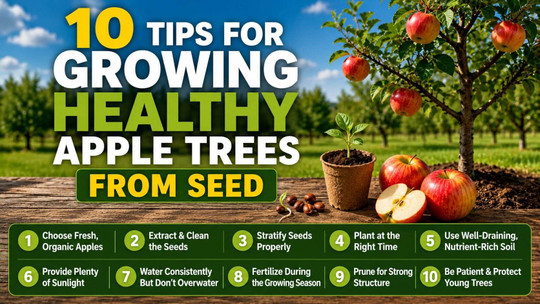
10 Tips for Growing Healthy Apple Trees from Seed
Growing an apple tree from seed is a rewarding project that allows you to watch a tiny seed develop into a thriving tree. While seed-grown apple trees won't always produce fruit identical to the parent apple, they make excellent ornamental trees, wildlife trees, or even the foundation for future grafting projects. With patience and proper care, you can successfully grow healthy apple trees from seed.
1. Choose Fresh, Organic Apples
Start with fresh, ripe apples from healthy trees whenever possible. Organic apples are often preferred because they are less likely to have been treated with chemicals that may affect seed quality. Collect several seeds since not every seed will germinate.
Tip: Seeds from locally adapted apple varieties often perform better in your climate.
2. Extract and Clean the Seeds
Carefully remove the seeds from the apple and rinse away all fruit residue. Leftover pulp can encourage mold during storage or stratification.
After cleaning:
- Pat seeds dry with a paper towel.
- Discard damaged or shriveled seeds.
- Save only large, healthy-looking seeds.
3. Stratify Seeds Properly
Apple seeds require a period of cold, moist conditions before they'll germinate. This process, known as cold stratification, mimics winter.
To stratify:
- Wrap seeds in a damp paper towel.
- Place inside a sealed plastic bag.
- Refrigerate for 6 to 10 weeks at 34–40°F (1–4°C).
- Check periodically to ensure the towel stays moist but not soggy.
Many seeds will begin sprouting before the stratification period ends.
4. Plant at the Right Time
Once the seeds have sprouted, plant them in small pots filled with quality potting mix.
Planting guidelines:
- Sow about ½ inch deep.
- Keep the soil lightly moist.
- Place the pots in a warm, bright location.
Spring is generally the best time to begin growing young seedlings.
5. Use Well-Draining, Nutrient-Rich Soil
Apple seedlings grow best in loose, fertile soil that drains well.
An ideal mix includes:
- High-quality potting soil
- Compost
- Perlite or coarse sand for drainage
Avoid heavy clay soils that stay wet for long periods, as excess moisture can lead to root rot.
6. Provide Plenty of Sunlight
Apple trees thrive in full sun.
Young seedlings should receive:
- 6–8 hours of direct sunlight daily
- Good air circulation
- Protection from extreme afternoon heat during their first summer if necessary
If growing indoors, place seedlings in a bright south-facing window or under grow lights.
7. Water Consistently—but Don't Overwater
Consistent moisture is essential during the seedling stage.
Water when:
- The top inch of soil begins to dry.
- The soil feels slightly moist, not saturated.
Avoid letting pots sit in standing water, which can damage developing roots.
8. Fertilize During the Growing Season
Once seedlings have developed several sets of true leaves, begin feeding them lightly.
A balanced fertilizer applied every 4–6 weeks during spring and summer helps promote:
- Healthy root development
- Strong stems
- Vigorous leaf growth
Avoid overfertilizing, as excessive nitrogen can produce weak, leggy growth.
9. Prune for Strong Structure
As your young apple tree matures, light pruning helps establish a healthy framework.
Remove:
- Weak or damaged branches
- Crossing limbs
- Multiple competing leaders
Proper pruning encourages stronger growth and improves future fruit production if the tree eventually bears fruit.
10. Be Patient and Protect Young Trees
Growing apple trees from seed is a long-term project.
Keep in mind:
- Trees often require 6–10 years before producing fruit.
- Some seed-grown trees may never produce high-quality apples.
- Protect young trees from deer, rabbits, rodents, and harsh winter conditions.
Using tree guards or protective fencing can greatly improve survival during the first few years.
Common Mistakes to Avoid
Even experienced gardeners can run into problems. Avoid these common mistakes:
- Skipping cold stratification
- Planting in poorly drained soil
- Overwatering seedlings
- Providing too little sunlight
- Fertilizing too heavily
- Expecting fruit within a few years
- Growing only one seed instead of several
Growing multiple seedlings increases your chances of ending up with a vigorous, healthy tree.
Frequently Asked Questions
How long does it take apple seeds to germinate?
After cold stratification, most seeds germinate within 2 to 6 weeks.
Will apples grown from seed be the same as the original apple?
Usually not. Apple seeds produce genetically unique trees, meaning the fruit can differ significantly from the parent apple.
Can I grow an apple tree indoors?
You can grow seedlings indoors for their first year, but mature apple trees need outdoor conditions and full sunlight to thrive.
Do I need more than one apple tree?
If your goal is fruit production, planting multiple apple trees or compatible varieties improves pollination and increases yields.
Final Thoughts
Growing healthy apple trees from seed requires patience, but the journey is incredibly rewarding. By choosing quality seeds, properly stratifying them, providing rich soil, plenty of sunlight, and consistent care, you'll give your seedlings the best possible start. Even if the fruit is unpredictable, you'll gain valuable gardening experience and may grow a beautiful, long-lived tree that can be enjoyed for decades.