
Posted by TJ Hopkins on Aug 13th 2026
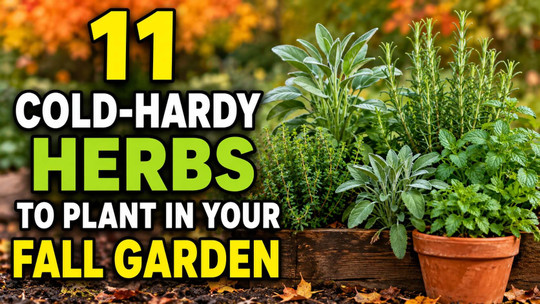
11 Cold-Hardy Herbs to Plant in Your Fall Garden
Fall doesn’t have to mean the end of your herb garden. In fact, cooler temperatures can be an excellent time to grow many flavorful herbs. While heat-loving herbs may begin to fade as summer ends, several cold-hardy varieties thrive in crisp autumn weather and can tolerate light frosts.
Planting herbs in fall can provide fresh ingredients for soups, roasted vegetables, sauces, teas, and holiday meals. Some perennial herbs can even survive winter and return with vigorous new growth the following spring.
Here are 11 cold-hardy herbs worth planting in your fall garden.
1. Parsley
Parsley is surprisingly tolerant of cool temperatures and is one of the best herbs for extending your harvest into fall. Both curly and flat-leaf Italian parsley can continue producing fresh leaves after light frosts.
Parsley prefers full sun to partial shade and moist, well-drained soil. Because it is a biennial, established plants may survive winter in milder climates and begin growing again in spring.
Harvest the outer stems regularly while leaving the center of the plant intact so it can continue producing new growth.
2. Cilantro
Cilantro often struggles during hot summer weather because high temperatures encourage it to bolt and produce flowers. Cool fall conditions are much better suited to this popular culinary herb.
Plant cilantro in full sun or partial shade in well-drained soil. Seeds can be sown directly in the garden, and successive sowings every couple of weeks can help extend the harvest.
The fresh leaves are excellent for tacos, salsa, soups, salads, and many other dishes.
3. Chives
Chives are dependable perennial herbs that tolerate cold weather extremely well. Their slender green leaves have a mild onion flavor that works well in potatoes, soups, eggs, salads, and dips.
Plant chives in full sun and fertile, well-drained soil. Established plants may die back after hard freezes, but their underground bulbs remain dormant through winter and produce fresh growth when temperatures warm.
Chives also produce attractive purple flowers that attract pollinators.
4. Thyme
Thyme is a hardy perennial herb that can handle chilly weather once established. Its small aromatic leaves are commonly used to season poultry, vegetables, soups, sauces, and roasted dishes.
Give thyme plenty of sunlight and excellent drainage. Avoid overly wet soil, particularly during winter, because excessive moisture can cause root problems.
Once established, thyme is drought tolerant and requires relatively little maintenance.
5. Sage
Sage is another perennial herb that performs well in cooler conditions. Its soft, silvery-green leaves provide a rich earthy flavor commonly associated with stuffing, poultry, sausage, and traditional fall recipes.
Plant sage in full sun with well-drained soil. Established plants can tolerate considerable cold, although winter protection may be helpful in especially harsh climates.
Avoid overwatering sage, particularly as temperatures begin to drop.
6. Rosemary
Rosemary prefers warmer conditions than some herbs on this list, but established plants can tolerate cool fall temperatures and light frosts. Cold tolerance varies considerably among varieties.
Plant rosemary in a sunny location with exceptionally good drainage. Gardeners in colder climates can grow rosemary in containers and move the plants into a protected location before severe winter temperatures arrive.
Its fragrant needle-like leaves are excellent for potatoes, breads, poultry, soups, and roasted vegetables.
7. Oregano
Oregano is a hardy perennial herb that often continues growing well into autumn. Once established, many varieties can survive freezing winter temperatures and return in spring.
Choose a sunny location with well-drained soil. Oregano generally prefers slightly dry conditions rather than constantly moist soil.
Regular harvesting encourages bushier growth and provides plenty of flavorful leaves for pizza, pasta sauce, soups, marinades, and Mediterranean dishes.
8. Mint
Mint is exceptionally hardy and can survive winters in many climates. Peppermint, spearmint, and other common varieties often die back after freezing temperatures but quickly return from their roots in spring.
Because mint spreads aggressively through underground runners, growing it in containers can prevent it from taking over garden beds.
Mint tolerates partial shade and prefers consistently moist soil. Fresh leaves are useful for teas, desserts, beverages, salads, and sauces.
9. Lemon Balm
Lemon balm is a member of the mint family and shares much of mint's cold tolerance. Its bright green leaves have a pleasant lemon fragrance and can be used for herbal teas, desserts, beverages, and garnishes.
Plant lemon balm in full sun or partial shade. It grows well in fertile, well-drained soil and can spread readily when conditions are favorable.
The plant may disappear above ground during winter in colder climates, but established roots frequently produce new shoots the following spring.
10. Tarragon
French tarragon is a perennial herb valued for its distinctive anise-like flavor. It pairs particularly well with chicken, fish, eggs, vegetables, sauces, and vinaigrettes.
Plant tarragon in a sunny location with loose, well-drained soil. Good drainage is especially important during winter because wet soil can damage dormant roots.
French tarragon is normally propagated from divisions or cuttings rather than seed. Russian tarragon can be grown from seed but generally has a milder flavor.
11. Winter Savory
As its name suggests, winter savory is well suited to cooler conditions. Unlike annual summer savory, winter savory is a perennial that can survive cold winters once established.
The small aromatic leaves have a peppery flavor that complements beans, meats, soups, stuffing, and roasted vegetables.
Plant winter savory in full sun and well-drained soil. It tolerates relatively dry conditions after becoming established and makes an attractive addition to herb gardens and borders.
Tips for Planting Herbs in Fall
Timing can make a significant difference when establishing a fall herb garden. Perennial herbs should ideally have enough time to develop healthy roots before the ground freezes. Annual herbs such as cilantro can be planted specifically for a cool-season harvest.
Choose locations with plenty of sunlight whenever possible. As autumn progresses and daylight hours shorten, maximizing available sunlight becomes increasingly important.
Good drainage is equally important. Cold, waterlogged soil can be more damaging to perennial herbs than freezing temperatures themselves.
Adding a light layer of mulch around established perennial herbs after temperatures become consistently cold can help protect roots from repeated freezing and thawing. Keep heavy mulch away from the crowns and stems of plants to reduce excess moisture.
Growing Cold-Hardy Herbs in Containers
Containers are especially useful for fall herb gardening because they provide flexibility. Pots can be moved against a protected wall, onto a covered porch, or indoors when severe weather approaches.
Parsley, chives, thyme, rosemary, oregano, mint, and lemon balm can all adapt well to container growing.
Always choose containers with drainage holes. Remember that roots growing in above-ground pots are generally exposed to colder temperatures than roots planted directly in garden soil, so container-grown perennial herbs may require additional winter protection.
Keep Your Herb Garden Growing Into Fall
Cooler weather doesn't have to end the gardening season. Parsley, cilantro, chives, thyme, sage, rosemary, oregano, mint, lemon balm, tarragon, and winter savory can all help keep fresh herbs available after many summer plants have finished producing.
By choosing cold-tolerant varieties, providing good drainage, and protecting perennial plants when necessary, you can extend your herb harvest through autumn while establishing plants that may return for another season of growth next spring.