
Posted by TJ Hopkins on Jul 24th 2026
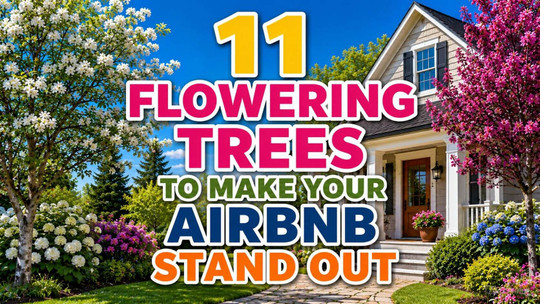
11 Flowering Trees to Make Your Airbnb Stand Out
First impressions matter in the vacation rental business. Before guests ever step inside your Airbnb, they're already judging the property by its curb appeal. One of the easiest ways to create a memorable first impression is by planting beautiful flowering trees. These trees provide vibrant seasonal color, improve your landscaping, offer shade, and make your property more photogenic for listing photos and social media posts.
Here are 11 flowering trees that can help your Airbnb stand out from the competition.
1. Eastern Redbud (Cercis canadensis)
One of the first trees to bloom each spring, the Eastern Redbud produces masses of bright pink flowers along its branches before the leaves emerge.
Why it's great for Airbnb:
- Eye-catching spring display
- Compact size for smaller yards
- Pollinator friendly
- Beautiful heart-shaped leaves
USDA Zones: 4–9
2. Flowering Dogwood (Cornus florida)
The Flowering Dogwood is famous for its elegant white, pink, or red blooms that brighten landscapes every spring.
Why guests love it:
- Classic cottage appearance
- Excellent fall foliage
- Decorative red berries
- Four-season interest
USDA Zones: 5–9
3. Saucer Magnolia (Magnolia × soulangeana)
Large tulip-shaped flowers in shades of pink, purple, and white make this one of the most dramatic flowering trees available.
Highlights
- Huge early spring blossoms
- Luxurious appearance
- Perfect focal point near entrances
USDA Zones: 4–9
4. Yoshino Cherry (Prunus × yedoensis)
Famous for creating breathtaking spring displays, Yoshino Cherry trees cover themselves with clouds of pale pink to white flowers.
Benefits
- Stunning photo opportunities
- Fast-growing
- Elegant branching structure
USDA Zones: 5–8
5. Crape Myrtle (Lagerstroemia indica)
For southern Airbnb properties, few trees rival Crape Myrtle. It blooms for months during summer with colorful flowers in pink, red, white, lavender, or purple.
Advantages
- Long bloom season
- Attractive peeling bark
- Drought tolerant once established
USDA Zones: 6–10
6. Serviceberry (Amelanchier canadensis)
Serviceberry offers delicate white flowers in spring followed by edible berries and brilliant orange-red fall foliage.
Why it's an excellent choice
- Native species
- Supports birds and pollinators
- Beautiful year-round
USDA Zones: 4–8
7. Fringe Tree (Chionanthus virginicus)
This native tree produces unique, fragrant white flowers that resemble delicate fringe hanging from every branch.
Features
- Unusual appearance
- Low maintenance
- Excellent ornamental tree
USDA Zones: 3–9
8. Purple-Leaf Plum (Prunus cerasifera)
This ornamental tree combines pink spring blossoms with striking deep purple foliage throughout the growing season.
Perfect for
- Modern landscaping
- Color contrast
- Small front yards
USDA Zones: 4–9
9. Golden Chain Tree (Laburnum × watereri)
Long, cascading clusters of golden-yellow flowers create a dramatic display in late spring.
Reasons to plant
- Unique waterfall-like blooms
- Compact growth
- Excellent conversation piece
USDA Zones: 5–7
Note: Seeds and pods are toxic if ingested.
10. Japanese Tree Lilac (Syringa reticulata)
Unlike shrub lilacs, this tree produces large creamy-white flower clusters during early summer when many other flowering trees have finished blooming.
Benefits
- Pleasant fragrance
- Disease resistant
- Attractive urban tree
USDA Zones: 3–7
11. Crabapple (Malus species)
Modern ornamental Crabapple varieties deliver spectacular spring flowers followed by colorful fruit that attracts birds well into winter.
Why they're popular
- Exceptional spring color
- Wildlife friendly
- Attractive fruit display
- Many disease-resistant varieties available
USDA Zones: 4–8
Tips for Choosing Flowering Trees for an Airbnb
To maximize curb appeal and guest satisfaction:
- Plant trees where they'll frame your front entrance.
- Choose varieties with staggered bloom times for season-long color.
- Select disease-resistant cultivars to reduce maintenance.
- Match trees to your USDA hardiness zone.
- Avoid planting too close to sidewalks, driveways, or the home's foundation.
- Add mulch and flowering perennials around the base for a polished landscape.
Final Thoughts
Flowering trees are one of the best long-term investments you can make for an Airbnb property. They create unforgettable curb appeal, improve guest experiences, and make your listing photos stand out in search results. Whether you choose the vibrant blooms of a Redbud, the timeless beauty of a Dogwood, or the dramatic flowers of a Magnolia, the right tree can transform an ordinary rental into a destination guests remember—and want to return to.