
Posted by TJ Hopkins on Jul 23rd 2026
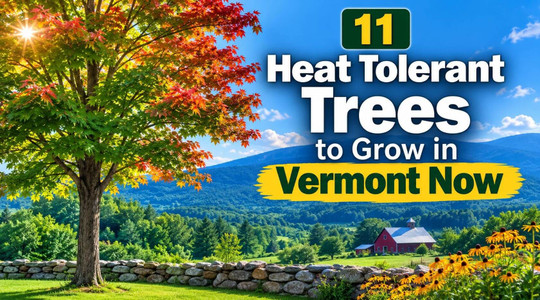
11 Heat Tolerant Trees to Grow in Vermont Now
As Vermont's summers become warmer and periods of drought become more common, choosing heat-tolerant trees is becoming increasingly important. While Vermont is known for its cold winters, many regions now experience stretches of hot, dry weather that can stress traditional landscape trees. Fortunately, several beautiful species thrive in both Vermont's cold winters and its increasingly warm summers.
Whether you're planting shade trees, ornamental specimens, or trees that support local wildlife, these heat-tolerant choices are excellent additions to Vermont landscapes.
1. Red Maple (Acer rubrum)
Red Maple is one of Vermont's signature trees and continues to perform well during hot summers once established. It offers brilliant red fall color, attractive branching, and adapts to a wide variety of soils.
Why it's great:
- Native to Vermont
- Brilliant autumn foliage
- Tolerates occasional drought
- Excellent shade tree
USDA Zones: 3–9
2. Bur Oak (Quercus macrocarpa)
Bur Oak is one of the toughest native oaks in North America. Its deep root system allows it to withstand extended periods of heat and dry weather while providing exceptional shade.
Why it's great:
- Extremely long-lived
- Highly drought tolerant
- Excellent wildlife tree
- Strong wind resistance
USDA Zones: 3–8
3. Kentucky Coffeetree (Gymnocladus dioicus)
This unique native tree is becoming increasingly popular in northern landscapes because of its outstanding tolerance to heat, drought, and urban conditions.
Highlights:
- Large tropical-looking leaves
- Low maintenance
- Pest resistant
- Handles poor soils
USDA Zones: 3–8
4. Hackberry (Celtis occidentalis)
Hackberry is an underrated shade tree that performs exceptionally well during hot summers. It grows quickly and tolerates wind, drought, pollution, and difficult soils.
Benefits:
- Fast-growing
- Heat and drought tolerant
- Supports birds and butterflies
- Tough urban tree
USDA Zones: 3–9
5. Honey Locust (Gleditsia triacanthos var. inermis)
Thornless Honey Locust creates light, filtered shade that allows grass to grow underneath. It thrives in hot, sunny locations and adapts well to Vermont landscapes.
Advantages:
- Fine-textured foliage
- Excellent summer shade
- Tolerates heat and road salt
- Fast growth
USDA Zones: 4–9
6. Ginkgo (Ginkgo biloba)
One of the oldest tree species on Earth, Ginkgo is incredibly resilient. It tolerates heat, drought, pests, and pollution while producing spectacular golden foliage each autumn.
Why gardeners love it:
- Nearly pest-free
- Incredible fall color
- Long lifespan
- Excellent street tree
USDA Zones: 4–9
7. American Linden (Tilia americana)
Also known as Basswood, American Linden performs well in Vermont's climate while tolerating summer heat once established. Its fragrant flowers are highly attractive to pollinators.
Features:
- Beautiful heart-shaped leaves
- Fragrant summer flowers
- Excellent shade tree
- Supports bees and butterflies
USDA Zones: 3–8
8. Northern Red Oak (Quercus rubra)
Northern Red Oak is one of Vermont's finest native hardwoods. It handles heat better than many maples while providing excellent wildlife habitat and beautiful fall color.
Reasons to plant:
- Fast-growing oak
- Strong heat tolerance
- Excellent wildlife value
- Brilliant red foliage
USDA Zones: 3–8
9. River Birch (Betula nigra)
Unlike many birch species, River Birch tolerates summer heat surprisingly well. It grows quickly and features attractive peeling bark that provides year-round interest.
Best qualities:
- Unique exfoliating bark
- Heat tolerant
- Fast growth
- Adaptable to wet or dry soils
USDA Zones: 4–9
10. Freeman Maple (Acer × freemanii)
A hybrid between Red Maple and Silver Maple, Freeman Maple combines rapid growth with improved heat and drought tolerance. It's an excellent replacement for more heat-sensitive maples.
Benefits:
- Fast-growing
- Excellent fall color
- Strong branching
- Better heat tolerance
USDA Zones: 3–8
11. Serviceberry (Amelanchier canadensis)
Serviceberry is a beautiful native ornamental tree that handles warm summers while providing spring flowers, edible berries, and colorful fall foliage.
Why it's a favorite:
- Native to Vermont
- Beautiful spring blooms
- Edible berries
- Excellent for wildlife
USDA Zones: 4–9
Tips for Growing Heat-Tolerant Trees in Vermont
Even heat-tolerant trees benefit from proper planting and care, especially during their first few growing seasons.
- Water deeply during prolonged dry spells.
- Apply 2–4 inches of mulch around the base while keeping it away from the trunk.
- Plant during spring or early fall for the best root establishment.
- Choose full-sun locations for species that thrive in heat.
- Avoid overwatering once trees become established.
Final Thoughts
Warmer summers don't mean sacrificing beautiful landscapes in Vermont. By selecting trees that tolerate both cold winters and increasing summer heat, you can create a resilient landscape that remains healthy for decades. Whether you prefer majestic shade trees like Bur Oak and Northern Red Oak or ornamental favorites like Serviceberry and Ginkgo, these species are excellent choices for today's changing climate.