
Posted by TJ Hopkins on Jul 15th 2026
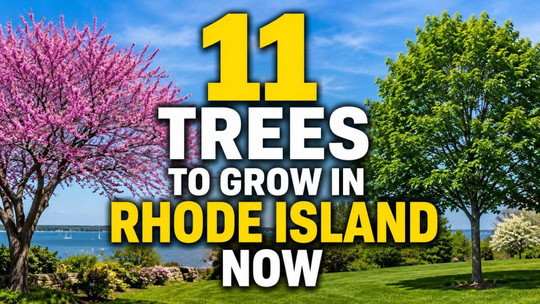
11 Trees to Grow in Rhode Island Now
Rhode Island may be the smallest state in the country, but it offers excellent growing conditions for many beautiful and useful trees. With warm summers, cold winters, coastal influences, and a generally favorable climate, homeowners have plenty of options when choosing trees for their landscapes.
Most of Rhode Island falls within USDA Hardiness Zones 6b and 7a, although some coastal locations may experience slightly milder winter temperatures. The best trees for the state can tolerate seasonal temperature changes while handling local soil conditions, summer humidity, occasional drought, and coastal weather.
Whether you want colorful flowers, brilliant fall foliage, cooling shade, greater privacy, or more wildlife in your yard, these 11 trees are excellent choices to consider growing in Rhode Island now.
1. Eastern Redbud
Eastern Redbud is a beautiful small tree known for the bright pink to purple flowers that cover its branches in early spring. The flowers often appear before the leaves, creating a colorful display after Rhode Island’s long winter.
This tree typically grows 20 to 30 feet tall and works well in front yards, garden borders, and woodland settings. Its heart-shaped leaves provide attractive summer foliage before turning yellow in the fall.
Eastern Redbud grows best in full sun to partial shade and prefers moist, well-drained soil. Planting it in a location protected from strong coastal winds may help it grow more successfully.
Why grow it: Brilliant spring flowers, manageable size, and excellent ornamental value.
2. Red Maple
Red Maple is one of the most recognizable native trees in New England. It is valued for its adaptability, fast growth, and colorful fall foliage. Depending on the individual tree and growing conditions, its leaves may turn bright red, orange, or yellow during autumn.
Mature Red Maples commonly reach 40 to 70 feet tall and develop broad canopies that provide generous summer shade. They can tolerate a wide variety of soils, including moderately wet locations.
Give a Red Maple plenty of room to mature and avoid planting it too close to buildings, sidewalks, or utility lines.
Why grow it: Fast growth, dependable shade, native wildlife value, and outstanding fall color.
3. Flowering Dogwood
Flowering Dogwood brings beauty to the landscape throughout several seasons. Its showy white or pink spring bracts are followed by green summer foliage, red fall leaves, and bright berries that attract birds.
Most Flowering Dogwoods grow approximately 15 to 30 feet tall. They are especially attractive near patios, woodland edges, and larger shade trees.
In Rhode Island, Flowering Dogwood generally performs best in rich, well-drained soil with morning sunlight and some protection from intense afternoon heat. Good airflow and proper spacing can help keep the foliage healthy.
Why grow it: Spring flowers, colorful fall foliage, attractive berries, and year-round landscape interest.
4. Sugar Maple
Few trees represent New England as beautifully as the Sugar Maple. Famous for its brilliant orange, yellow, and red autumn foliage, this long-lived native tree can become a spectacular centerpiece in a large Rhode Island yard.
Sugar Maples generally grow 60 to 75 feet tall and develop wide, rounded crowns. They prefer fertile, well-drained soil and benefit from having plenty of open space.
Avoid planting Sugar Maples in compacted soil or areas exposed to heavy road salt. They are best suited to spacious lawns, rural properties, and naturalized landscapes.
Why grow it: Exceptional fall foliage, dense summer shade, long lifespan, and classic New England character.
5. Serviceberry
Serviceberry is a versatile native tree that offers beauty during nearly every season. White flowers appear in early spring, followed by edible purple berries in early summer. The foliage often turns shades of orange, yellow, and red during fall.
Depending on the variety, Serviceberry may grow as a large shrub or a small tree reaching approximately 15 to 30 feet tall.
The berries are enjoyed by many bird species and can also be used in jams, pies, and other recipes. Serviceberry grows well in full sun or partial shade and prefers moist, well-drained soil.
Why grow it: Early flowers, edible berries, beautiful fall color, and excellent wildlife value.
6. American Holly
American Holly is an attractive native evergreen that provides year-round color and natural privacy. Its glossy green leaves remain on the tree through winter, while female trees may produce bright red berries when a compatible male pollinator is nearby.
American Holly generally grows 15 to 30 feet tall in residential landscapes, although older trees can become much larger. It grows best in acidic, well-drained soil and can tolerate full sun or partial shade.
The dense evergreen foliage offers shelter for birds during cold and windy Rhode Island winters.
Why grow it: Evergreen privacy, winter color, wildlife habitat, and attractive red berries.
7. River Birch
River Birch is recognized by its attractive peeling bark, which displays shades of tan, cream, cinnamon, and reddish brown. Its distinctive trunk provides visual interest even after the leaves fall.
This fast-growing native tree commonly reaches 40 to 70 feet tall. It naturally grows near streams and wetlands but can also perform well in ordinary landscapes when it receives enough moisture.
River Birch is a useful option for low areas or properties with consistently moist soil. It prefers full sun and should receive adequate water during extended dry periods.
Why grow it: Fast growth, decorative peeling bark, tolerance of moist soil, and attractive natural form.
8. White Oak
White Oak is a strong, long-lived native shade tree that can become a valuable part of the landscape for generations. Mature trees develop wide crowns and sturdy branches, making them impressive additions to large properties.
White Oaks commonly grow 50 to 80 feet tall and may become even larger under ideal conditions. Their leaves often turn reddish brown, burgundy, or deep red during fall.
Oak trees support many forms of wildlife. Their acorns provide food for birds, squirrels, deer, and other animals, while their branches offer nesting and shelter opportunities.
Why grow it: Long lifespan, excellent shade, strong native wildlife value, and impressive mature size.
9. Eastern White Pine
Eastern White Pine is a fast-growing native evergreen that can provide year-round screening and protection from wind. Its long, soft needles give the tree a graceful appearance that differs from many other conifers.
These trees may grow 50 to 80 feet tall in landscapes and can become considerably larger over time. Eastern White Pine prefers full sun and moist, well-drained, slightly acidic soil.
Because of its mature height and width, it should be planted away from buildings and overhead utility lines. Groups of Eastern White Pines can create effective privacy screens on larger Rhode Island properties.
Why grow it: Fast evergreen growth, year-round privacy, wind protection, and native habitat value.
10. American Hornbeam
American Hornbeam is a smaller native shade tree with smooth gray bark and dense green foliage. It is sometimes called Musclewood because its trunk develops a distinctive rippled appearance.
This slow-growing tree typically reaches 20 to 35 feet tall. It naturally grows beneath larger trees and performs well in partial shade, making it useful for woodland gardens and locations where sun-loving trees may struggle.
Its leaves may turn yellow, orange, or reddish during fall. American Hornbeam prefers moist, rich soil but can adapt to many established landscapes.
Why grow it: Shade tolerance, compact size, attractive bark, and colorful fall foliage.
11. Black Tupelo
Black Tupelo, also known as Black Gum, is one of the best native trees for brilliant fall color. Its glossy green summer leaves may turn vivid shades of scarlet, orange, purple, and deep red during autumn.
The tree usually grows 30 to 50 feet tall in residential landscapes and develops an attractive pyramidal or rounded shape. Small fruits provide food for birds and other wildlife.
Black Tupelo grows best in full sun to partial shade and adapts to several soil types. Once established, it can tolerate occasional dry conditions.
Why grow it: Spectacular fall color, attractive shape, native wildlife benefits, and good long-term landscape value.
Tips for Planting Trees in Rhode Island
Choosing the right tree is only the beginning. Proper planting and early care can greatly improve long-term growth and survival.
- Select a location with enough room for the tree’s mature height and canopy width.
- Check for overhead utility lines before planting large-growing species.
- Dig a planting hole wider than the root system but no deeper than the root ball.
- Keep the root flare visible at or slightly above the surrounding soil level.
- Apply 2 to 3 inches of mulch around the tree while keeping mulch away from the trunk.
- Water deeply during the first several growing seasons, especially during hot or dry weather.
- Consider exposure to coastal wind and salt when planting near Narragansett Bay or the ocean.
- Choose native trees whenever possible to support local birds, pollinators, and other wildlife.
Choosing the Best Tree for Your Rhode Island Property
The right tree depends on your available space, sunlight, soil moisture, and landscaping goals. Red Maple, Sugar Maple, White Oak, and Eastern White Pine are excellent possibilities for larger properties. Eastern Redbud, Flowering Dogwood, Serviceberry, and American Hornbeam fit more easily into smaller yards.
For evergreen privacy, American Holly and Eastern White Pine are strong choices. River Birch may be useful in moist areas, while Black Tupelo is an excellent option for homeowners who want outstanding autumn color.
Before planting, consider how large the tree may become over the next several decades. A well-placed tree can provide shade, beauty, privacy, wildlife habitat, and lasting value for many years.
Final Thoughts
Rhode Island’s climate supports an impressive variety of native and ornamental trees. From the spring flowers of Eastern Redbud and Flowering Dogwood to the brilliant autumn foliage of Sugar Maple and Black Tupelo, there is a tree for nearly every landscape.
Planting a tree now is an investment in the future. With thoughtful selection, proper placement, and consistent care during its early years, your new tree can become a beautiful and valuable part of your Rhode Island property for generations.