
Posted by TJ Hopkins on Jul 23rd 2026
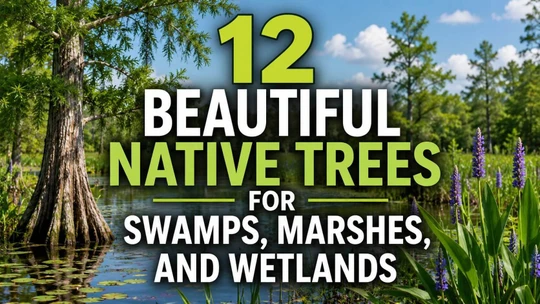
12 Beautiful Native Trees for Swamps, Marshes, and Wetlands
Wet areas can be some of the most challenging places to landscape, but they also offer the opportunity to grow some of North America's most spectacular native trees. Whether you have a soggy backyard, a marshy property edge, a creek bank, or a natural wetland, choosing trees adapted to consistently moist soil ensures healthier growth, better wildlife habitat, and lower maintenance.
Native wetland trees have evolved to thrive in saturated soils, seasonal flooding, and poor drainage. Many also provide food and shelter for birds, pollinators, amphibians, and other wildlife while helping stabilize shorelines and improve water quality.
Here are 12 beautiful native trees that flourish in swamps, marshes, and wetlands.
1. Bald Cypress (Taxodium distichum)
Bald Cypress is one of the most recognizable swamp trees in North America. Famous for its buttressed trunk and distinctive "knees" that rise from the soil in flooded areas, this majestic tree thrives where many others cannot.
Why You'll Love It
- Tolerates standing water for years
- Brilliant orange to copper fall color
- Long-lived and low maintenance
- Excellent wildlife habitat
USDA Zones: 4–10
2. Black Gum (Nyssa sylvatica)
Also known as Tupelo, Black Gum grows naturally in swamps and moist forests. It produces glossy green leaves that transform into vibrant shades of scarlet, orange, and purple each autumn.
Highlights
- Outstanding fall foliage
- Supports pollinators with spring flowers
- Fruits feed songbirds and wildlife
- Adaptable to wet or average soils
USDA Zones: 4–9
3. River Birch (Betula nigra)
River Birch is prized for its beautiful peeling bark and ability to tolerate both flooding and heat. It naturally grows along rivers, streams, and floodplains throughout the eastern United States.
Benefits
- Attractive exfoliating bark
- Fast-growing shade tree
- Excellent erosion control
- Resistant to bronze birch borer
USDA Zones: 4–9
4. Red Maple (Acer rubrum)
Red Maple is among the most adaptable native trees in North America. While it grows in many soil types, it thrives in wetlands, marshes, and seasonally flooded areas.
Features
- Brilliant red spring flowers
- Gorgeous scarlet autumn foliage
- Excellent shade tree
- Wildlife-friendly seeds
USDA Zones: 3–9
5. Sweetbay Magnolia (Magnolia virginiana)
Sweetbay Magnolia brings elegance to wet landscapes with creamy white, lemon-scented flowers and glossy green foliage. It naturally inhabits swamps and coastal wetlands.
Why Grow It
- Fragrant summer blooms
- Semi-evergreen in warmer climates
- Attractive red seed pods
- Excellent pollinator tree
USDA Zones: 5–10
6. Swamp White Oak (Quercus bicolor)
Swamp White Oak is an exceptional native shade tree that tolerates heavy clay soils and periodic flooding far better than many other oaks.
Advantages
- Produces valuable acorns
- Strong wildlife value
- Beautiful rounded canopy
- Long-lived landscape tree
USDA Zones: 3–8
7. Atlantic White Cedar (Chamaecyparis thyoides)
This graceful evergreen naturally forms forests in coastal swamps and bogs. Its soft blue-green foliage provides year-round beauty while offering important shelter for birds.
Highlights
- Evergreen privacy tree
- Thrives in acidic wetlands
- Excellent windbreak
- Native to eastern wetlands
USDA Zones: 4–8
8. Water Tupelo (Nyssa aquatica)
Water Tupelo is perfectly adapted to flooded swamps and slow-moving waterways. Mature trees often develop swollen bases that provide remarkable stability in saturated soils.
Best Features
- Excellent flood tolerance
- Supports bees and wildlife
- Large glossy leaves
- Ideal for natural wetlands
USDA Zones: 6–9
9. American Sycamore (Platanus occidentalis)
American Sycamore is one of the largest native hardwood trees and commonly grows along rivers, streams, and floodplains. Its striking mottled bark makes it a standout in every season.
Benefits
- Massive shade tree
- Beautiful white and tan bark
- Rapid growth
- Great for erosion-prone areas
USDA Zones: 4–9
10. Buttonbush (Large Tree Form) (Cephalanthus occidentalis)
Although often grown as a shrub, Buttonbush can develop into a small tree in ideal conditions. It is one of the finest native plants for marshes and shallow water.
Why It's Valuable
- Unique globe-shaped flowers
- Exceptional pollinator plant
- Loved by butterflies
- Tolerates standing water
USDA Zones: 5–10
11. Green Ash (Fraxinus pennsylvanica)
Green Ash naturally occurs in floodplains and wetlands throughout much of North America. While emerald ash borer has reduced its use in many regions, it remains an important native species in natural restoration projects.
Features
- Fast-growing
- Excellent flood tolerance
- Attractive yellow fall color
- Valuable wildlife habitat
USDA Zones: 3–9
12. Pumpkin Ash (Fraxinus profunda)
Pumpkin Ash is a lesser-known native tree found in deep swamps and floodplain forests of the southeastern United States. Its swollen trunk base helps it thrive in prolonged flooding.
Highlights
- Excellent wetland specialist
- Tall shade tree
- Important restoration species
- Handles prolonged saturated soils
USDA Zones: 5–9
Tips for Planting Trees in Wet Areas
Even trees that tolerate wet soils establish more successfully when planted correctly.
- Plant during spring or fall when temperatures are mild.
- Avoid burying the root flare below the soil surface.
- Mulch with 2–3 inches of organic mulch, keeping it away from the trunk.
- Water regularly during the first growing season if rainfall is limited.
- Choose species suited to your USDA hardiness zone and the amount of flooding your site experiences.
Benefits of Native Wetland Trees
Planting native trees in swamps, marshes, and wetlands offers far more than beauty. These trees help:
- Reduce soil erosion
- Filter pollutants from runoff
- Improve water quality
- Stabilize stream and pond banks
- Provide food and shelter for wildlife
- Support native pollinators
- Increase biodiversity
- Create valuable shade and cooling
Final Thoughts
Native trees are perfectly adapted to wet landscapes, making them the ideal choice for swamps, marshes, pond edges, and other moisture-rich environments. Whether you want colorful fall foliage, fragrant flowers, evergreen privacy, or improved wildlife habitat, there's a native species that will thrive where other trees struggle.
By selecting trees naturally suited to saturated soils, you'll create a healthier, more resilient landscape that supports local ecosystems for generations to come.