
Posted by TJ Hopkins on Jun 30th 2026
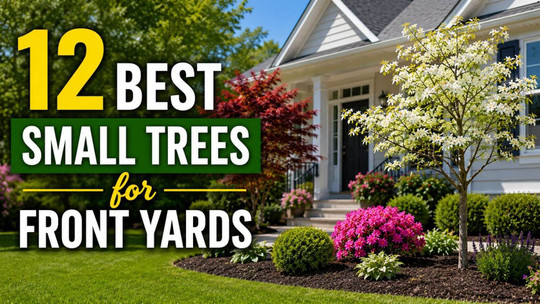
12 Best Small Trees for Front Yards
A well-chosen small tree can completely transform the look of your front yard. Whether you're looking for colorful spring blooms, brilliant fall foliage, or year-round interest, compact trees provide beauty without overwhelming your landscape. Most small ornamental trees stay under 30 feet tall, making them ideal for smaller lots, foundation plantings, and entryways.
Here are 12 of the best small trees that add curb appeal while remaining manageable for years to come.
1. Flowering Dogwood (Cornus florida)
The Flowering Dogwood is one of America's favorite ornamental trees. It produces stunning white or pink blossoms in spring, attractive red berries in summer, and brilliant red foliage in autumn.
Why you'll love it:
- Height: 20–30 feet
- Beautiful spring flowers
- Excellent fall color
- Attracts birds and pollinators
- Native to eastern North America
2. Japanese Maple (Acer palmatum)
Japanese Maples are prized for their elegant branching, delicate leaves, and spectacular seasonal color. Many varieties stay under 20 feet tall, making them perfect focal points near walkways or porches.
Best features:
- Height: 10–20 feet
- Stunning red, orange, or green foliage
- Graceful growth habit
- Ideal for smaller landscapes
3. Serviceberry (Amelanchier canadensis)
Serviceberry offers beauty in every season. White flowers bloom in early spring, followed by edible berries in summer and vibrant orange-red leaves in fall.
Highlights:
- Height: 15–25 feet
- Four-season interest
- Wildlife friendly
- Edible berries
- Easy to maintain
4. Eastern Redbud (Cercis canadensis)
One of the earliest trees to bloom each spring, the Eastern Redbud covers its bare branches with brilliant pink-purple flowers before the leaves emerge.
Why homeowners choose it:
- Height: 20–30 feet
- Early spring blooms
- Heart-shaped leaves
- Excellent accent tree
- Native species
5. Crape Myrtle (Lagerstroemia indica)
If you live in warmer climates, few trees rival the long-lasting blooms of a Crape Myrtle. Flowers appear throughout summer in shades of pink, red, lavender, or white.
Benefits:
- Height: 10–25 feet
- Blooms for months
- Attractive peeling bark
- Heat and drought tolerant
- Low maintenance
6. Star Magnolia (Magnolia stellata)
Star Magnolia is one of the first flowering trees to bloom each spring. Its fragrant white flowers often appear before the leaves.
Features:
- Height: 15–20 feet
- Fragrant blossoms
- Compact size
- Excellent specimen tree
- Great for smaller yards
7. Fringe Tree (Chionanthus virginicus)
This lesser-known native tree produces masses of delicate white flowers that resemble soft fringe hanging from the branches.
Reasons to plant one:
- Height: 12–20 feet
- Unique spring flowers
- Native tree
- Low maintenance
- Attractive dark green foliage
8. Kousa Dogwood (Cornus kousa)
Unlike the native Flowering Dogwood, Kousa Dogwood blooms later in spring and offers excellent disease resistance along with attractive exfoliating bark.
Highlights:
- Height: 15–25 feet
- Creamy-white flowers
- Red strawberry-like fruit
- Excellent fall color
- Beautiful bark in winter
9. Japanese Tree Lilac (Syringa reticulata)
This ornamental tree produces large clusters of creamy white flowers during early summer when many other trees have already finished blooming.
Advantages:
- Height: 20–30 feet
- Fragrant flowers
- Urban tolerant
- Attractive bark
- Low pest problems
10. Dwarf River Birch (Betula nigra cultivars)
Compact River Birch varieties offer attractive peeling bark and exceptional adaptability to many soil types.
Best qualities:
- Height: 15–25 feet
- Beautiful exfoliating bark
- Fast growing
- Tolerates wet soils
- Great year-round interest
11. Hawthorn (Crataegus species)
Hawthorn trees produce showy spring blossoms followed by colorful berries that attract birds throughout fall and winter.
Why it's popular:
- Height: 15–25 feet
- Spring flowers
- Colorful berries
- Excellent wildlife value
- Good fall foliage
12. Seven-Son Flower (Heptacodium miconioides)
A hidden gem among ornamental trees, Seven-Son Flower blooms in late summer when few other trees are flowering. After the blooms fade, bright pink-red calyces provide weeks of additional color.
Reasons to consider it:
- Height: 15–20 feet
- Late-season blooms
- Attractive exfoliating bark
- Pollinator favorite
- Unique appearance
How to Choose the Right Small Tree
Before planting, consider these important factors:
- Available space – Allow enough room for the tree's mature width.
- Sunlight – Most flowering trees perform best with at least six hours of sunlight.
- Hardiness Zone – Choose trees suited for your climate.
- Soil conditions – Some species prefer well-drained soil, while others tolerate clay or wetter locations.
- Maintenance – Consider pruning needs, fruit drop, and disease resistance.
Planting Tips
To give your new tree the best start:
- Dig a hole two to three times wider than the root ball.
- Keep the root flare at ground level.
- Water deeply during the first growing season.
- Apply 2–3 inches of mulch around the base while keeping it away from the trunk.
- Avoid excessive fertilizing during the first year.
Final Thoughts
Small trees can make a dramatic impact without overwhelming your landscape. Whether you prefer colorful spring flowers, brilliant autumn foliage, fragrant blooms, or attractive bark, there's a compact tree that's perfect for your front yard.
By selecting a tree suited to your climate, available space, and maintenance preferences, you'll enjoy decades of beauty while boosting your home's curb appeal and creating a welcoming entrance for visitors.