
Posted by TJ Hopkins on Jul 24th 2026
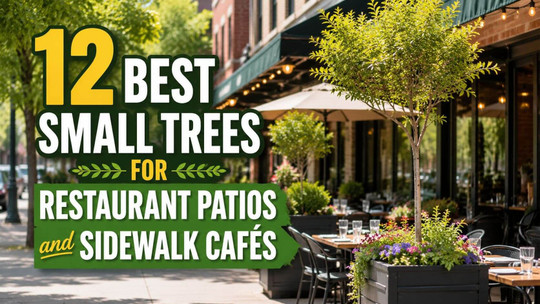
12 Best Small Trees for Restaurant Patios and Sidewalk Cafés
Creating a welcoming outdoor dining space is about more than comfortable seating and great food. The right trees can provide shade, soften hardscapes, improve curb appeal, and make guests want to linger longer. Small trees are especially well-suited for restaurant patios and sidewalk cafés because they offer beauty without overwhelming limited spaces.
Here are 12 of the best small trees that thrive in containers or compact landscapes while enhancing outdoor dining areas.
1. Japanese Maple (Acer palmatum)
Japanese Maples are among the most elegant ornamental trees available. Their finely textured foliage and graceful branching create a sophisticated atmosphere perfect for upscale restaurants and cafés.
Why it's a great choice:
- Beautiful spring, summer, and fall color
- Thrives in decorative containers
- Compact size for patios
- Provides filtered shade
Mature Size: 10–20 feet
2. Crape Myrtle (Lagerstroemia indica)
Known for months of colorful blooms, Crape Myrtles bring vibrant summer interest to outdoor dining spaces.
Benefits:
- Long-lasting flowers
- Attractive peeling bark
- Heat and drought tolerant
- Ideal for sunny patios
Mature Size: 10–20 feet (dwarf varieties available)
3. Serviceberry (Amelanchier canadensis)
Serviceberries provide beauty during every season with white spring flowers, edible berries, colorful fall foliage, and attractive bark.
Highlights:
- Four-season interest
- Native tree
- Supports birds and pollinators
- Excellent for urban settings
Mature Size: 15–25 feet
4. Olive Tree (Olea europaea)
For Mediterranean-inspired restaurants, few trees create the same elegant atmosphere as an Olive Tree.
Advantages:
- Evergreen in warm climates
- Excellent container plant
- Drought tolerant
- Timeless appearance
Mature Size: 15–20 feet
5. Eastern Redbud (Cercis canadensis)
One of the first trees to bloom in spring, Redbuds produce masses of pink blossoms before leaves emerge.
Why restaurants love them:
- Spectacular spring flowers
- Heart-shaped leaves
- Compact canopy
- Great focal point
Mature Size: 20–30 feet
6. Little Gem Magnolia (Magnolia grandiflora 'Little Gem')
This compact evergreen Magnolia offers glossy foliage and fragrant white flowers throughout summer.
Best features:
- Evergreen privacy
- Large fragrant blooms
- Excellent in containers
- Elegant southern charm
Mature Size: 15–20 feet
7. Dwarf Birch (Betula species)
Dwarf birches provide attractive bark and delicate foliage while fitting comfortably into smaller landscapes.
Benefits:
- Decorative bark
- Cold hardy
- Light shade
- Beautiful winter interest
Mature Size: 10–15 feet
8. Flowering Dogwood (Cornus florida)
Dogwoods add classic beauty with spring blossoms and colorful autumn foliage.
Reasons to plant:
- Stunning spring flowers
- Excellent fall color
- Wildlife friendly
- Fits smaller outdoor seating areas
Mature Size: 15–25 feet
9. Hawthorn (Crataegus species)
Modern thornless varieties offer beautiful white flowers, berries, and strong urban tolerance.
Advantages:
- Spring blooms
- Attractive berries
- Compact growth
- Handles city environments well
Mature Size: 15–25 feet
10. Fringe Tree (Chionanthus virginicus)
This underrated native tree produces clouds of fragrant white flowers that resemble delicate fringe.
Features:
- Unique blooms
- Native species
- Low maintenance
- Excellent specimen tree
Mature Size: 12–20 feet
11. Citrus Trees (Lemon, Lime, Orange)
In warmer climates or as seasonal container plants, citrus trees provide fragrance and colorful fruit while creating a resort-style dining experience.
Why they're popular:
- Fragrant blossoms
- Decorative fruit
- Excellent for patios
- Easy to move indoors in cold climates
Mature Size: 8–15 feet (container grown)
12. Japanese Tree Lilac (Syringa reticulata)
Japanese Tree Lilacs bloom in early summer with large creamy-white flower clusters and tolerate urban conditions exceptionally well.
Benefits:
- Fragrant flowers
- Disease resistant
- Excellent street tree
- Attractive rounded canopy
Mature Size: 20–30 feet
Tips for Choosing Trees for Restaurant Patios
To get the most from your outdoor dining space, keep these factors in mind:
- Choose trees with non-invasive root systems.
- Select varieties that produce minimal fruit or messy debris.
- Use large, insulated containers with excellent drainage.
- Match tree size to available space.
- Consider drought-tolerant species for easier maintenance.
- Prune regularly to maintain clearance over seating areas.
- Install drip irrigation for consistent watering.
The Benefits of Small Trees Around Outdoor Dining Areas
Adding well-chosen trees can transform an ordinary patio into a memorable destination. They help:
- Provide natural shade for guests
- Reduce surrounding temperatures
- Increase curb appeal
- Create privacy from busy streets
- Reduce traffic noise
- Encourage customers to stay longer
- Improve the overall dining atmosphere
Final Thoughts
The right small tree can dramatically improve the look and comfort of any restaurant patio or sidewalk café. Whether you prefer the colorful elegance of a Japanese Maple, the fragrant blooms of a Little Gem Magnolia, or the Mediterranean charm of an Olive Tree, these compact selections offer beauty without overwhelming limited outdoor spaces. With thoughtful placement and proper care, they'll provide years of shade, character, and a welcoming environment that keeps customers coming back.