
Posted by TJ Hopkins on Aug 10th 2026
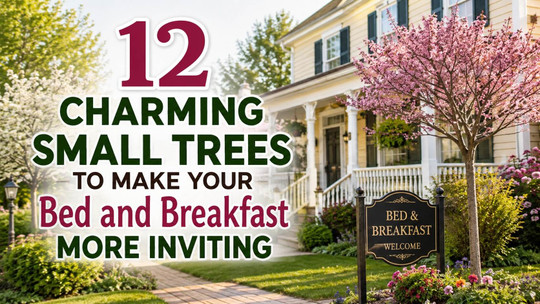
12 Charming Small Trees to Make Your Bed and Breakfast More Inviting
The landscaping around a bed and breakfast can make a lasting first impression. Before guests ever step through the front door, beautiful trees, colorful flowers, welcoming pathways, and comfortable outdoor spaces can help create an inviting atmosphere.
Small ornamental trees are especially well suited for bed and breakfast properties. They provide many of the benefits of larger trees without overwhelming smaller yards, patios, gardens, or historic buildings. Depending on the species, they can provide spring flowers, summer shade, colorful fall foliage, attractive fruit, or interesting winter bark.
Here are 12 charming small trees that can add character and beauty to a bed and breakfast landscape.
1. Eastern Redbud
Eastern redbud (Cercis canadensis) is an excellent choice for adding brilliant spring color. Before its heart-shaped leaves emerge, its branches become covered with clusters of pink to purple-pink flowers.
Redbuds have a naturally graceful shape that works beautifully in cottage gardens and informal landscapes. Plant one near an entrance, walkway, porch, or outdoor seating area where guests can appreciate the flowers.
USDA Zones: 4–9
Mature Height: 20–30 feet
Sun: Full sun to partial shade
Best For: Entrances, cottage gardens, spring color
2. Flowering Dogwood
Flowering dogwood (Cornus florida) is a classic ornamental tree that pairs especially well with historic inns, traditional homes, and woodland-style properties.
Its showy spring display is followed by green summer foliage, colorful fall leaves, and red fruits that can attract birds.
USDA Zones: 5–9
Mature Height: 15–30 feet
Sun: Partial shade to full sun
Best For: Traditional landscapes, woodland gardens, front yards
3. Japanese Maple
Japanese maple (Acer palmatum) can bring elegance and dramatic foliage to even a small landscape. Many varieties remain compact, making them ideal for courtyards, patios, pathways, and small gardens.
Cultivars are available with green, red, burgundy, orange, and variegated foliage. Many also develop spectacular colors during fall.
USDA Zones: Generally 5–8
Mature Height: 6–25 feet, depending on cultivar
Sun: Partial shade to full sun
Best For: Patios, courtyards, garden paths
4. Serviceberry
Serviceberries (Amelanchier spp.) are excellent multi-season trees. They produce clusters of delicate white flowers in spring followed by edible berry-like fruits.
In fall, the foliage can develop beautiful shades of yellow, orange, and red. The fruits are also attractive to birds, making serviceberry a good addition to wildlife-friendly landscapes.
USDA Zones: Varies by species
Mature Height: Commonly 15–25 feet
Sun: Full sun to partial shade
Best For: Wildlife gardens, natural landscapes, seasonal interest
5. Saucer Magnolia
Saucer magnolia (Magnolia × soulangeana) can create an impressive focal point when its large flowers open in early spring.
Depending on the variety, the flowers may be white, pink, purple, or a combination of colors. Consider planting one where guests can see it from the porch, entrance, dining room, or guest-room windows.
USDA Zones: 4–9
Mature Height: 20–25 feet
Sun: Full sun to partial shade
Best For: Front lawns, entrances, specimen planting
6. Flowering Crabapple
Flowering crabapples (Malus spp.) are known for their spectacular spring flowers. Trees can become covered with white, pink, or reddish blossoms, creating an impressive seasonal display.
Many varieties also produce colorful fruits that remain attractive into fall or winter. When selecting a crabapple, consider newer cultivars with good resistance to common diseases.
USDA Zones: Commonly 4–8
Mature Height: 10–25 feet
Sun: Full sun
Best For: Front gardens, driveways, spring displays
7. Japanese Tree Lilac
Japanese tree lilac (Syringa reticulata) produces large clusters of creamy white flowers in late spring or early summer.
Because it flowers later than many popular ornamental trees, it can help extend the flowering season around your property. Its manageable size also makes it useful around walkways and smaller lawns.
USDA Zones: 3–7
Mature Height: 20–30 feet
Sun: Full sun
Best For: Walkways, lawns, late-spring flowers
8. American Fringe Tree
American fringe tree (Chionanthus virginicus) is an unusual small tree with clusters of narrow white flowers that create a soft, fringe-like appearance.
It works particularly well in cottage gardens and intimate outdoor spaces where guests can see its interesting flowers up close.
USDA Zones: 3–9
Mature Height: 12–20 feet
Sun: Full sun to partial shade
Best For: Cottage gardens, patios, garden seating areas
9. Crape Myrtle
Crape myrtle (Lagerstroemia spp.) is an excellent ornamental tree for bed and breakfasts in warmer climates.
Depending on the variety, flowers can be white, pink, red, or purple. Many crape myrtles bloom for an extended period during summer when some spring-flowering trees have already finished.
Their attractive bark and branching structure can provide additional seasonal interest.
USDA Zones: Approximately 6–10, depending on cultivar
Mature Height: 10–30 feet, depending on cultivar
Sun: Full sun
Best For: Summer flowers, patios, warm-climate gardens
10. Kousa Dogwood
Kousa dogwood (Cornus kousa) is another beautiful option for smaller landscapes. It generally flowers later than the native flowering dogwood, helping extend seasonal color.
The tree has an attractive branching structure along with showy flowers, unusual fruits, and colorful fall foliage.
USDA Zones: 5–8
Mature Height: 15–30 feet
Sun: Full sun to partial shade
Best For: Front gardens, specimen planting, seasonal interest
11. Star Magnolia
Star magnolia (Magnolia stellata) is a relatively compact magnolia that produces beautiful star-shaped white flowers very early in spring.
Its smaller size makes it particularly useful for properties where planting space is limited. A star magnolia can look beautiful beside an entrance, patio, garden path, or porch.
USDA Zones: 4–8
Mature Height: 10–20 feet
Sun: Full sun to partial shade
Best For: Small yards, entrances, early spring flowers
12. Paperbark Maple
Paperbark maple (Acer griseum) offers something many ornamental trees cannot: outstanding winter interest.
Its cinnamon-colored bark naturally peels away in thin layers, creating an attractive appearance after the leaves have fallen. During fall, its foliage can also develop beautiful shades of orange and red.
For bed and breakfasts that welcome guests throughout the year, paperbark maple can provide visual interest during every season.
USDA Zones: 4–8
Mature Height: 20–30 feet
Sun: Full sun to partial shade
Best For: Four-season landscapes, specimen trees, winter interest
Where to Plant Small Trees Around a Bed and Breakfast
Think about the areas guests see and use most frequently. A beautiful flowering tree near the driveway or entrance can create a strong first impression, while a small shade tree beside a patio can make an outdoor sitting area more comfortable.
Trees can also be used to frame garden pathways, highlight benches, soften parking areas, create privacy, or provide attractive views from guest-room windows.
Always consider the tree's mature height and width before planting. Leave adequate distance from foundations, sidewalks, utility lines, signs, and other structures.
Choose Trees for Multiple Seasons
A successful bed and breakfast landscape doesn't have to peak during only one month of the year. Combining trees with different characteristics can provide interest throughout multiple seasons.
You might pair early-flowering magnolias with summer-blooming trees, brilliant fall foliage, and trees with attractive winter bark. This approach can help keep the property attractive for guests visiting at different times of the year.
Create a Landscape Guests Will Remember
Beautiful landscaping can become part of the bed and breakfast experience itself. Guests may enjoy drinking their morning coffee beneath a flowering tree, relaxing beside a colorful garden, or taking photographs beneath spectacular fall foliage.
Whether you operate a historic inn, Victorian home, country farmhouse, cottage, or modern guesthouse, thoughtfully selected small trees can make the property feel warmer, more distinctive, and more inviting.
By choosing trees that complement your architecture and provide interest throughout the seasons, you can create an outdoor setting that makes a memorable first impression—and gives guests another reason to enjoy their stay.