
Posted by TJ Hopkins on Jul 15th 2026
12 Heat-Tolerant Trees to Grow in Delaware Now
As Delaware experiences warmer summers, longer dry spells, and increasingly unpredictable weather, choosing heat-tolerant trees has become more important than ever. Whether you're planting shade trees, ornamental specimens, or trees that support local wildlife, selecting varieties that thrive in hot conditions will help ensure a healthier, lower-maintenance landscape.
The following 12 trees perform well throughout much of Delaware, offering beauty, shade, and resilience even during the hottest months.
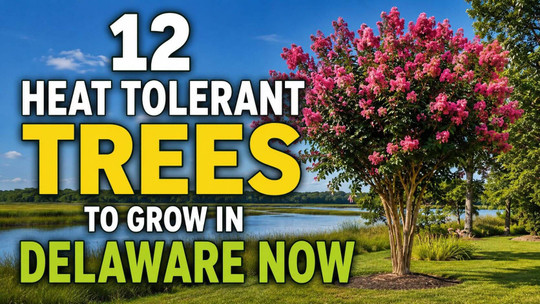
1. Crape Myrtle (Lagerstroemia indica)
One of the most popular ornamental trees for warm climates, Crape Myrtle produces spectacular blooms from midsummer into early fall. It handles Delaware's summer heat with ease and requires little maintenance once established.
Why You'll Love It:
- Long-lasting pink, white, red, or purple flowers
- Excellent drought tolerance
- Attractive peeling bark
- Brilliant fall foliage
USDA Zones: 6–9
2. Bald Cypress (Taxodium distichum)
Native to the eastern United States, Bald Cypress thrives in both wet and dry soils. It's incredibly adaptable and performs exceptionally well in Delaware's varied growing conditions.
Benefits:
- Heat and humidity tolerant
- Handles flooding and drought
- Beautiful soft green needles turn copper-orange in autumn
- Long-lived native tree
USDA Zones: 4–10
3. Southern Magnolia (Magnolia grandiflora)
Known for its huge fragrant white flowers and glossy evergreen leaves, Southern Magnolia has become increasingly popular in Delaware's warmer climate.
Highlights:
- Evergreen beauty year-round
- Large fragrant blooms
- Excellent heat resistance
- Attractive wildlife habitat
USDA Zones: 6–10
4. Willow Oak (Quercus phellos)
Willow Oak is a fast-growing native oak that provides abundant shade while tolerating high temperatures and periods of drought.
Advantages:
- Fast growth
- Beautiful narrow leaves
- Excellent shade tree
- Supports birds and pollinators
USDA Zones: 5–9
5. American Holly (Ilex opaca)
Delaware's state tree, American Holly is an outstanding evergreen that tolerates summer heat while providing year-round color.
Why Plant It:
- Bright red berries on female trees
- Evergreen foliage
- Excellent wildlife value
- Native species
USDA Zones: 5–9
6. River Birch (Betula nigra)
Unlike many birch species, River Birch tolerates heat remarkably well. Its peeling bark creates year-round visual interest.
Features:
- Attractive cinnamon-colored bark
- Heat and humidity tolerant
- Fast-growing
- Excellent near ponds or streams
USDA Zones: 4–9
7. Red Maple (Acer rubrum)
A versatile native tree, Red Maple adapts well to Delaware's climate while offering spectacular fall color.
Benefits:
- Brilliant red autumn foliage
- Fast establishment
- Heat tolerant once mature
- Excellent shade tree
USDA Zones: 3–9
8. Sweetbay Magnolia (Magnolia virginiana)
This elegant native magnolia thrives in Delaware landscapes and produces wonderfully fragrant creamy-white flowers throughout summer.
Highlights:
- Native species
- Lemon-scented flowers
- Handles wet soils
- Attractive to pollinators
USDA Zones: 5–10
9. Black Gum (Nyssa sylvatica)
Also called Tupelo, Black Gum is one of the best native trees for fall color while tolerating heat and humidity.
Reasons to Grow:
- Outstanding scarlet fall foliage
- Wildlife-friendly
- Strong heat tolerance
- Low maintenance
USDA Zones: 4–9
10. Eastern Redbud (Cercis canadensis)
One of the first trees to bloom each spring, Eastern Redbud adds vibrant color before its leaves emerge.
Best Features:
- Bright pink spring blossoms
- Heart-shaped leaves
- Native tree
- Excellent for smaller yards
USDA Zones: 4–9
11. Honey Locust (Gleditsia triacanthos var. inermis)
The thornless Honey Locust provides filtered shade that allows grass and flowers to grow beneath it.
Advantages:
- Heat and drought tolerant
- Fast-growing
- Fine-textured foliage
- Adaptable to urban conditions
USDA Zones: 4–9
12. Chinese Pistache (Pistacia chinensis)
This increasingly popular landscape tree performs exceptionally well during hot summers and develops brilliant orange, red, and crimson fall foliage.
Why It's Popular:
- Exceptional drought tolerance
- Outstanding fall color
- Strong, durable branches
- Excellent street or shade tree
USDA Zones: 6–9
Tips for Growing Trees in Delaware's Hot Summers
To help your trees thrive:
- Water deeply during the first two to three growing seasons.
- Apply 2–4 inches of mulch around the base while keeping it away from the trunk.
- Plant during spring or fall for the best root establishment.
- Choose native species whenever possible to support local wildlife.
- Water slowly during extended summer droughts rather than frequent shallow watering.
Final Thoughts
Delaware's changing climate makes heat-tolerant trees a smart investment for homeowners and gardeners alike. Whether you're looking for colorful flowering trees like Crape Myrtle and Eastern Redbud, dependable native shade trees like Willow Oak and Bald Cypress, or evergreen favorites like American Holly and Southern Magnolia, these selections can provide decades of beauty while standing up to increasingly hot summers.
Choosing the right tree today will create cooler landscapes, provide valuable wildlife habitat, and add lasting beauty to your property for generations.