
Posted by TJ Hopkins on Apr 19th 2026
12 Ideas for Creating Gardens for Children
Creating a garden for children is one of the best ways to spark curiosity, encourage outdoor play, and teach valuable life skills. Whether you have a big backyard or a small space, a kid-friendly garden can become a place where learning and fun grow together.
Here are 12 creative ideas to help you build a garden kids will love.
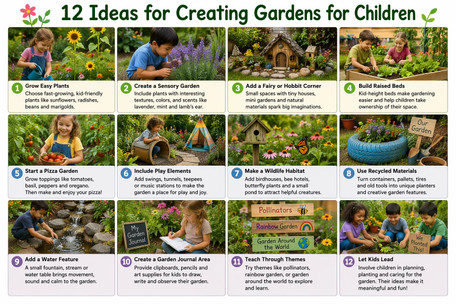
1. Grow Easy Plants
Start with plants that are simple, fast-growing, and rewarding. Kids enjoy seeing quick results, so choose varieties like sunflowers, radishes, beans, and marigolds. These plants sprout quickly and are forgiving for beginners.
2. Create a Sensory Garden
Make gardening an experience for all five senses. Include soft textures like lamb’s ear, fragrant herbs like mint and lavender, and bright flowers for visual appeal. This helps children explore nature in a hands-on way.
3. Add a Fairy or Hobbit Corner
Turn a small area into a creative space with tiny houses, stones, and miniature plants. Kids enjoy imaginative play, and a themed corner can become a favorite part of the garden.
4. Build Raised Beds
Raised beds at kid height make gardening easier and more accessible. They help keep things organized, improve soil quality, and give children a sense of ownership over their space.
5. Start a Pizza Garden
Make gardening interactive by growing ingredients for pizza like tomatoes, basil, peppers, and oregano. Kids will enjoy harvesting and eating what they helped grow.
6. Include Play Elements
Blend play with gardening by adding tunnels, teepees made from climbing plants, or small seating areas. This turns the garden into a fun place to spend time.
7. Make a Wildlife Habitat
Encourage nature by adding birdhouses, bee hotels, and butterfly-friendly plants. This helps children learn about ecosystems and beneficial insects.
8. Use Recycled Materials
Reuse items like old tires, pallets, and containers to create planters and garden features. This teaches sustainability while encouraging creativity.
9. Add a Water Feature
A small fountain, stream, or water table adds movement and sound to the garden. It also attracts wildlife and provides sensory engagement.
10. Create a Garden Journal Area
Set up a space with clipboards, pencils, and art supplies. Encourage kids to draw, write, and observe plant growth, helping build creativity and learning skills.
11. Teach Through Themes
Design your garden around themes like pollinators, colors, or plants from around the world. Themes make gardening more engaging and educational.
12. Let Kids Lead
Allow children to choose what to plant, help design the space, and care for their garden. When kids feel involved, they are more engaged and proud of their work.
Final Thoughts
A children’s garden does not need to be perfect. It just needs to be interactive, creative, and enjoyable. By combining play, learning, and nature, you can create a space where kids can explore, grow, and build lasting memories.