
Posted by TJ Hopkins on Aug 21st 2026
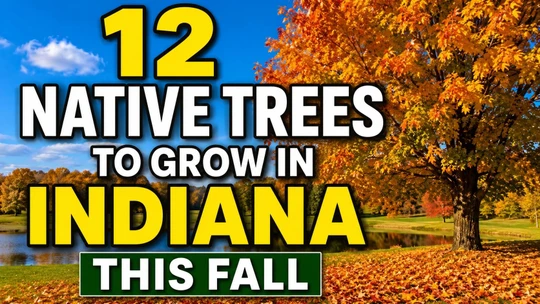
12 Native Trees to Grow in Indiana This Fall
Fall is one of the best times to think about adding native trees to an Indiana landscape. Cooler temperatures, increased soil moisture, and reduced heat stress can help newly planted trees establish strong root systems before winter.
Native trees are especially valuable because they are naturally suited to Indiana's climate and provide important food, shelter, and nesting habitat for birds, pollinators, and other wildlife. They can also be excellent choices for shade, fall color, privacy, windbreaks, and naturalized landscapes.
If you're planning to add trees to your property this fall, here are 12 native Indiana species worth considering.
1. White Oak
White oak (Quercus alba) is one of Indiana's most impressive native trees. Mature specimens develop broad, spreading crowns and can become magnificent shade trees.
The leaves turn attractive shades of red, burgundy, and brown in autumn. Its acorns are also an important food source for squirrels, deer, turkeys, and numerous other wildlife species.
White oaks grow best in full sun and well-drained soil. Because they can eventually become very large, give them plenty of room to mature.
2. Sugar Maple
Few trees represent autumn quite like the sugar maple (Acer saccharum). Its foliage can transform into brilliant combinations of yellow, orange, and red as temperatures cool.
Sugar maples can grow into large shade trees and are particularly attractive in spacious yards, parks, and woodland settings. They generally prefer fertile, well-drained soil and can tolerate partial shade, although good sunlight encourages a full canopy.
As an added bonus, sugar maple is the tree traditionally tapped for maple syrup.
3. Eastern Redbud
Eastern redbud (Cercis canadensis) is an excellent choice when you want a smaller native tree.
Before its leaves emerge in spring, its branches become covered with clusters of pink to purple-pink flowers. The tree later develops attractive heart-shaped leaves.
Redbuds work particularly well along woodland edges, near patios, and in smaller landscapes where a towering shade tree would be too large.
4. American Sycamore
If you have plenty of space, consider the American sycamore (Platanus occidentalis).
This massive native tree is recognizable by its distinctive mottled bark, which peels away to reveal patches of cream, tan, gray, and greenish-white. Older trees can develop enormous trunks and wide canopies.
Sycamores naturally occur near streams, rivers, and other moist areas, making them useful for larger properties with consistently moist soil.
5. Black Walnut
Black walnut (Juglans nigra) is a valuable Indiana native known for its dark wood and edible nuts.
It develops into a tall shade tree with an attractive open canopy. The nuts provide food for squirrels and other wildlife and can also be harvested for human consumption.
Choose the planting location carefully. Black walnut produces juglone, a naturally occurring compound that can negatively affect certain sensitive plants growing nearby.
6. Tulip Tree
The tulip tree (Liriodendron tulipifera), also commonly called tulip poplar or yellow-poplar, holds a special place in Indiana—it is the official state tree.
Tulip trees can grow exceptionally tall and are best suited to landscapes where they have room to develop. Their distinctive leaves turn yellow to golden-yellow in fall.
Mature trees also produce beautiful tulip-like flowers in spring, although the blooms can be difficult to see high in the canopy.
7. Shagbark Hickory
Shagbark hickory (Carya ovata) gets its name from the long strips of bark that separate from the trunk as the tree matures.
This unique bark gives older specimens plenty of character throughout the year. In autumn, the foliage typically changes to shades of yellow and golden brown.
Shagbark hickories also produce nuts that are eaten by squirrels, chipmunks, and other wildlife. They are slow-growing compared with some landscape trees but can become impressive long-lived specimens.
8. Red Maple
Red maple (Acer rubrum) is popular for its adaptability and colorful fall foliage.
Depending on the individual tree and growing conditions, autumn leaves can range from yellow and orange to brilliant red. Red maples generally grow faster than sugar maples, making them attractive to homeowners who want shade sooner.
They can tolerate a variety of soil conditions, including wetter locations, but their mature size should still be considered when selecting a planting site.
9. Northern Red Oak
Northern red oak (Quercus rubra) is another excellent native oak for Indiana landscapes.
It typically grows faster than white oak and develops a broad canopy that can provide substantial summer shade. Its leaves may turn reddish, russet, or deep red during fall.
Like other native oaks, northern red oak has tremendous wildlife value. Its acorns provide an important seasonal food source for many animals.
10. American Beech
American beech (Fagus grandifolia) is a beautiful native forest tree with smooth gray bark and a dense canopy.
Its leaves generally turn golden yellow to bronze in autumn. Young trees often retain some of their dried leaves well into winter, adding additional seasonal interest.
Beeches prefer rich, moist, well-drained soils and can tolerate considerable shade when young. Give them adequate room, as mature trees can develop wide-spreading crowns.
11. Serviceberry
Serviceberry (Amelanchier species) is an outstanding option for homeowners looking for a smaller native tree with multiple seasons of interest.
White flowers appear in early spring, followed by berry-like fruits that attract birds. The foliage can develop beautiful orange, yellow, and red colors in autumn.
Serviceberries are particularly useful in smaller yards, naturalized gardens, woodland borders, and wildlife-friendly landscapes.
12. Hackberry
Hackberry (Celtis occidentalis) may not receive as much attention as maples and oaks, but it is a tough and useful native tree.
It adapts to a wide range of growing conditions and can handle many challenging urban environments. Mature trees provide good shade, while their small fruits are valuable to birds and other wildlife.
The tree's distinctive corky, ridged bark also makes it easy to recognize once it matures.
Why Grow Native Trees in Indiana?
Planting native trees offers benefits that extend far beyond appearance. Because these species evolved as part of Indiana's natural ecosystems, they interact with local wildlife in ways many introduced ornamental trees cannot.
Native trees can provide nectar, pollen, fruits, nuts, seeds, nesting locations, and shelter. Oaks in particular support an extraordinary variety of insects, which in turn provide food for birds.
Choosing the right native species can also reduce the amount of intervention required once a tree becomes established.
Is Fall a Good Time to Plant Trees in Indiana?
Yes. Fall can be an excellent planting season for many trees in Indiana.
Cooler air temperatures reduce stress on newly planted trees while the soil can remain warm enough for root development. Trees planted during fall may have time to begin establishing roots before entering winter dormancy.
Timing still matters. Plant early enough for the tree to begin establishing before the ground freezes, and continue watering when conditions are dry.
Tips for Planting Native Trees This Fall
Choose a species based on the conditions you actually have rather than selecting a tree solely for its appearance. Consider sunlight, drainage, soil type, available space, overhead utility lines, nearby buildings, and the tree's eventual mature size.
Dig the planting hole wider than the root ball but avoid planting the tree too deeply. The root flare should remain near the soil surface.
Water thoroughly after planting and continue monitoring soil moisture through the fall. Applying mulch around the root zone can help conserve moisture and moderate soil temperatures, but avoid piling mulch directly against the trunk.
Growing Indiana Native Trees From Seed
Many Indiana native trees can also be started from seed. Acorns, hickory nuts, walnuts, maple seeds, redbud seeds, and other tree seeds can eventually produce beautiful trees when their individual germination requirements are followed.
Some native tree seeds naturally fall to the ground in autumn and experience cold winter conditions before germinating in spring. When seeds are started under controlled conditions, this seasonal process may need to be recreated through cold stratification.
Germination requirements vary considerably by species, so research the specific pretreatment and planting requirements for each type of seed before sowing.
Add a Native Tree to Your Indiana Landscape
From the spectacular fall color of sugar maple to the massive stature of American sycamore, Indiana offers an impressive selection of native trees.
Whether you're planting for shade, wildlife, fall foliage, or simply the enjoyment of watching a tree mature over the years, choosing a native species is an excellent place to start.
This fall, consider planting a white oak, sugar maple, eastern redbud, American sycamore, black walnut, tulip tree, shagbark hickory, red maple, northern red oak, American beech, serviceberry, or hackberry—and give a native Indiana tree a permanent place in your landscape.