
Posted by TJ Hopkins on Sep 13th 2026
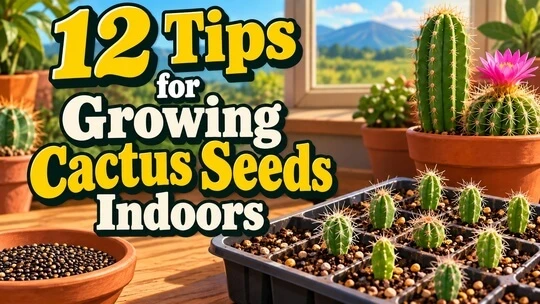
12 Tips for Growing Cactus Seeds Indoors
Growing cactus plants from seed is a rewarding way to build a unique indoor collection. Although cactus seedlings grow slowly, watching tiny seeds develop into healthy plants makes the process worthwhile.
Cactus seeds require warmth, moisture, light, and patience. Because different cactus species have slightly different requirements, always check the growing instructions included with your seeds before planting.
1. Begin With Quality Cactus Seeds
Fresh, properly stored seeds usually provide the best chance of successful germination. Purchase seeds from a reliable source and select varieties suitable for indoor growing.
Cactus seeds can be extremely small, so open the package carefully. Avoid handling them outdoors or near a fan, where they could easily blow away.
2. Use a Shallow Container
Choose a shallow seed-starting tray, small pot, or clear plastic container with drainage holes. A container approximately two to three inches deep provides enough room for young cactus roots without holding excessive moisture.
Clean previously used containers before planting to reduce the possibility of mold or disease.
3. Prepare a Well-Draining Growing Mix
Cactus seedlings need a mixture that holds some moisture while still draining well. A combination of seed-starting mix with perlite, pumice, or coarse horticultural sand can provide a suitable balance.
Break apart large pieces and remove sticks or other debris. A fine, even surface makes it easier for tiny seeds to remain in contact with the growing medium.
4. Moisten the Mix Before Planting
Add water to the growing mixture before sowing the seeds. It should feel evenly damp but not muddy or waterlogged.
Pre-moistening the mix prevents cactus seeds from being washed into one corner of the container after planting. Allow extra water to drain before sowing.
5. Sow the Seeds on the Surface
Scatter the cactus seeds evenly across the surface of the mixture. Many cactus seeds should not be buried deeply because they need light and warmth to germinate.
Gently press the seeds against the surface without pushing them far into the soil. If the growing instructions recommend covering them, use only a very thin layer of fine sand or seed-starting mix.
6. Cover the Container With a Humidity Dome
Place a clear humidity dome or transparent lid over the container. This helps maintain the consistently humid environment that cactus seeds need during germination.
The cover should allow light to reach the seeds without pressing against the growing medium. Check the container regularly for excessive condensation or mold.
7. Keep the Seeds Warm
Warm temperatures encourage cactus seeds to germinate. Many varieties perform well when daytime temperatures remain between approximately 70°F and 85°F.
A seedling heat mat can provide steady warmth in a cool room. Avoid placing the container directly against a heater, where temperatures may rise too quickly and dry the growing mixture.
8. Provide Bright, Indirect Light
Place the covered container near a bright window that does not receive harsh afternoon sunlight. A grow light can also provide consistent illumination, especially during the shorter days of winter.
Direct sunlight passing through a clear cover can quickly overheat young seedlings. Watch for bleaching, browning, or excessive heat inside the container.
9. Maintain Consistent Moisture
The growing mixture should remain consistently damp while the seeds are germinating. Use a fine mist sprayer or water the container carefully from below to avoid disturbing the seeds.
Do not allow the mixture to dry completely during early germination. However, standing water can encourage mold and cause seeds or seedlings to rot.
10. Be Patient During Germination
Some cactus seeds may sprout within one or two weeks, while others can require several weeks or longer. Germination times can vary considerably among species and growing conditions.
Continue providing steady warmth, moisture, and light even if the seeds do not sprout immediately. Do not discard the container too soon.
11. Introduce Fresh Air Gradually
After the seedlings become established, begin opening the humidity dome for a short period each day. Gradually increase the amount of ventilation over one or two weeks.
Removing the cover too quickly can cause the tiny seedlings to dry out. A gradual transition helps them adjust to normal indoor humidity while also reducing the risk of mold.
12. Transplant Only When the Seedlings Are Ready
Allow cactus seedlings to develop strong roots before moving them into individual pots. Depending on the species and growing conditions, this may take several months or longer.
Handle each seedling gently and avoid damaging its delicate roots. Plant it at approximately the same depth it was growing before and use a small pot filled with well-draining cactus soil.
Common Problems When Growing Cactus Seeds
Mold is one of the most common problems in a covered cactus seed container. Excessive water, poor ventilation, contaminated soil, or unclean containers can all contribute to fungal growth.
Seedlings that stretch and appear thin may need more light. Pale or scorched seedlings may be receiving too much direct sunlight. If seeds fail to germinate, the growing area could be too cold, too dry, or planted with older seeds.
Caring for Young Cactus Seedlings
Young cactus seedlings require different care than mature cactus plants. They generally need more consistent moisture and should not be allowed to remain completely dry for extended periods.
As the seedlings grow, gradually allow the surface of the soil to dry slightly between waterings. Continue providing bright light, warmth, airflow, and protection from intense sunlight.
Avoid fertilizing newly germinated seedlings. Once they are well established, they may benefit from a weak, diluted cactus fertilizer during their active growing season.
Final Thoughts
Growing cactus seeds indoors requires patience, but the basic process is straightforward. Start with quality seeds, use a clean and well-draining mixture, and maintain warm, humid conditions during germination.
Give the seedlings plenty of bright light and introduce normal indoor conditions gradually. With careful attention and enough time, those tiny seeds can become an interesting collection of distinctive cactus plants.