
Posted by TJ Hopkins on Jul 25th 2026
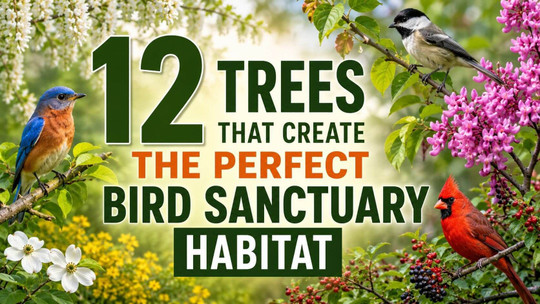
12 Trees That Create the Perfect Bird Sanctuary Habitat
If you dream of waking up to the sound of singing birds, planting the right trees is one of the best investments you can make. Trees provide food, nesting sites, shelter from predators, and safe places for birds to rest during migration. By choosing a variety of native and wildlife-friendly trees, you can transform your yard into a thriving bird sanctuary that attracts colorful songbirds throughout the year.
Here are 12 outstanding trees that help create the perfect habitat for birds.
1. Eastern Redbud (Cercis canadensis)
Eastern Redbud is one of the first trees to bloom each spring, producing vibrant pink flowers that attract insects—a valuable food source for insect-eating birds. Later in the season, its seed pods provide food for finches and other small birds.
Why birds love it:
- Early-season insects
- Protective branching for nesting
- Seeds for songbirds
2. Flowering Dogwood (Cornus florida)
Flowering Dogwood is famous for its beautiful white spring blossoms and brilliant red berries in autumn. More than 35 bird species enjoy its fruit, making it one of the best ornamental trees for wildlife.
Birds attracted:
- Cardinals
- Bluebirds
- Robins
- Cedar Waxwings
- Thrushes
3. Serviceberry (Amelanchier species)
Serviceberries produce sweet berries in early summer before many other fruiting trees begin producing. Birds often harvest the berries within days of ripening.
Benefits:
- Early fruit source
- Excellent nesting structure
- Four-season beauty
4. White Oak (Quercus alba)
Oak trees support hundreds of caterpillar species, which become an essential food source for nesting birds feeding hungry chicks. Their acorns also feed larger birds during fall and winter.
Wildlife value:
- Caterpillars for baby birds
- Acorns for jays and woodpeckers
- Excellent shelter year-round
5. American Holly (Ilex opaca)
The dense evergreen branches provide year-round protection while its bright red berries become an important winter food source.
Perfect for:
- Winter shelter
- Nesting cover
- Late-season berries
6. Black Cherry (Prunus serotina)
Black Cherry is one of the most valuable native wildlife trees in North America. Its dark fruits attract dozens of bird species during summer.
Bird favorites include:
- Orioles
- Tanagers
- Robins
- Thrushes
- Woodpeckers
7. River Birch (Betula nigra)
River Birch produces seeds that are eagerly eaten by finches, chickadees, and siskins. Its peeling bark also provides insects that woodpeckers search for.
Highlights:
- Small nutritious seeds
- Insect-rich bark
- Attractive year-round appearance
8. Crabapple (Malus species)
Many crabapple varieties hold their colorful fruit well into winter, offering an important food source when natural foods become scarce.
Birds that enjoy crabapples:
- Cedar Waxwings
- Bluebirds
- Cardinals
- Grosbeaks
- Robins
9. American Beech (Fagus grandifolia)
Beech trees produce nutritious beechnuts that are highly valued by wildlife. Their smooth bark and sturdy branches also make excellent nesting locations.
Wildlife benefits:
- Beechnuts
- Strong nesting branches
- Long lifespan
10. Eastern White Pine (Pinus strobus)
This graceful evergreen provides year-round shelter from harsh weather and predators. Its seeds also feed many birds during colder months.
Excellent for:
- Winter cover
- Roosting sites
- Pine seeds
11. Hackberry (Celtis occidentalis)
Hackberry produces small purple berries that often remain on the tree into winter, supplying valuable nutrition long after many other fruits have disappeared.
Bird visitors include:
- Mockingbirds
- Cedar Waxwings
- Robins
- Flickers
12. Red Mulberry (Morus rubra)
Red Mulberry is often considered one of the ultimate bird trees because its sweet berries attract dozens of species throughout early summer.
Bird favorites:
- Baltimore Orioles
- Catbirds
- Blue Jays
- Cardinals
- Wood Thrushes
Tips for Creating a Bird-Friendly Landscape
To maximize bird activity, combine several different tree species that flower and fruit at different times of the year. Add shrubs, native wildflowers, and a reliable water source such as a birdbath. Avoid using pesticides whenever possible, since insects are an essential food source for many birds, especially during nesting season.
Evergreen trees mixed with deciduous trees provide year-round protection, while native species generally support far more insects, berries, and seeds than non-native ornamentals.
Final Thoughts
Creating a backyard bird sanctuary starts with planting trees that provide food, shelter, and nesting opportunities throughout every season. Whether you choose flowering dogwoods, majestic oaks, colorful serviceberries, or evergreen pines, each tree contributes to a healthier ecosystem and brings more birds to your landscape. With a thoughtful mix of native trees, you'll enjoy vibrant colors, beautiful blossoms, and the songs of countless feathered visitors for years to come.