
Posted by TJ Hopkins on Aug 7th 2026
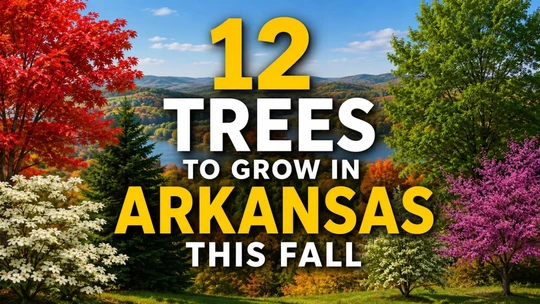
12 Trees to Grow in Arkansas This Fall
Fall is one of the best times to plant trees in Arkansas. As temperatures cool and rainfall becomes more consistent, newly planted trees can establish strong root systems before the heat of summer returns. Whether you're adding shade, attracting wildlife, producing fruit, or creating brilliant fall color, these trees are excellent choices for Arkansas landscapes.
Why Plant Trees in Fall?
Planting in autumn offers several advantages:
- Cooler weather reduces transplant stress.
- Warm soil encourages root growth long after leaves have fallen.
- Trees require less watering than spring plantings.
- Established roots help trees survive the following summer.
1. Red Maple (Acer rubrum)
Red Maple is one of Arkansas' most beautiful native shade trees. It produces brilliant red foliage in autumn and adapts well to many soil types.
Growing Tips
- USDA Zones: 3–9
- Mature Height: 40–70 feet
- Sun: Full sun to partial shade
- Soil: Moist, well-drained soil
2. White Oak (Quercus alba)
A long-lived native tree known for its strength and wildlife value. White Oak acorns feed deer, squirrels, and wild turkeys.
Growing Tips
- Zones: 3–9
- Height: 50–80 feet
- Sun: Full sun
- Excellent shade tree
3. Eastern Redbud (Cercis canadensis)
One of the first trees to bloom in spring, Eastern Redbud covers its branches with bright pink flowers before leaves appear.
Growing Tips
- Zones: 4–9
- Height: 20–30 feet
- Great for smaller yards
- Native to Arkansas
4. Flowering Dogwood (Cornus florida)
A favorite ornamental tree featuring stunning white spring flowers, bright red berries, and colorful fall foliage.
Growing Tips
- Zones: 5–9
- Height: 20–30 feet
- Partial shade preferred
- Attracts songbirds
5. Bald Cypress (Taxodium distichum)
Unlike most evergreens, Bald Cypress drops its needles each fall after turning a beautiful copper color. It thrives in wet soils but also grows well in average landscapes.
Growing Tips
- Zones: 4–10
- Height: 50–70 feet
- Full sun
- Excellent for ponds and low areas
6. Southern Magnolia (Magnolia grandiflora)
Known for its glossy evergreen leaves and huge fragrant white flowers, Southern Magnolia is one of the South's signature trees.
Growing Tips
- Zones: 6–10
- Height: 60–80 feet
- Full sun
- Evergreen beauty year-round
7. American Persimmon (Diospyros virginiana)
This native fruit tree produces sweet orange fruits that become delicious after frost. Wildlife also loves the fruit.
Growing Tips
- Zones: 4–9
- Height: 30–60 feet
- Full sun
- Drought tolerant once established
8. River Birch (Betula nigra)
River Birch is prized for its peeling cinnamon-colored bark and tolerance of Arkansas' warm climate.
Growing Tips
- Zones: 4–9
- Height: 40–70 feet
- Fast-growing
- Excellent near streams or moist soils
9. Shumard Oak (Quercus shumardii)
One of the best large shade trees for southern landscapes. It develops rich red fall foliage and supports countless wildlife species.
Growing Tips
- Zones: 5–9
- Height: 60–80 feet
- Full sun
- Long-lived and hardy
10. Sweetgum (Liquidambar styraciflua)
Sweetgum produces some of the brightest fall colors in Arkansas, displaying shades of yellow, orange, purple, and crimson.
Growing Tips
- Zones: 5–9
- Height: 60–75 feet
- Full sun
- Excellent ornamental shade tree
11. Black Cherry (Prunus serotina)
A fast-growing native tree that provides fragrant spring flowers followed by dark cherries loved by birds and other wildlife.
Growing Tips
- Zones: 3–9
- Height: 50–80 feet
- Full sun
- Great wildlife tree
12. American Holly (Ilex opaca)
American Holly adds year-round greenery with glossy leaves and bright red berries that provide winter interest and food for birds.
Growing Tips
- Zones: 5–9
- Height: 15–30 feet
- Full sun to partial shade
- Evergreen privacy tree
Tips for Successful Fall Tree Planting
To give your new trees the best start:
- Plant at the same depth they were growing in the nursery.
- Water deeply after planting.
- Apply 2–3 inches of mulch around the base, keeping it away from the trunk.
- Continue watering during dry periods until the ground freezes.
- Avoid heavy fertilization until the following spring.
Final Thoughts
Arkansas offers an excellent climate for growing a wide variety of native and ornamental trees. Planting during the fall gives trees months to establish healthy roots before summer arrives, resulting in stronger growth and healthier landscapes. Whether you're looking for vibrant autumn color, wildlife habitat, fragrant spring blooms, or dependable shade, these twelve trees are outstanding choices for Arkansas gardens and properties.