
Posted by TJ Hopkins on Jul 22nd 2026
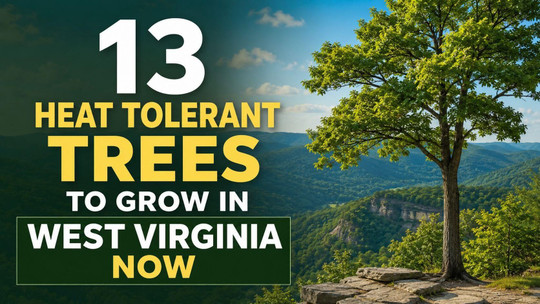
13 Heat Tolerant Trees to Grow in West Virginia Now
West Virginia is known for its lush forests, rolling mountains, and four distinct seasons, but recent years have brought longer summers and more frequent periods of heat. Choosing heat-tolerant trees can help homeowners create landscapes that remain healthy, beautiful, and resilient during hot weather. Many of these species also provide shade, wildlife habitat, and vibrant seasonal color.
Here are 13 excellent heat-tolerant trees that thrive in West Virginia's climate.
1. White Oak (Quercus alba)
White Oak is one of the most iconic native trees in the eastern United States. Once established, it handles summer heat remarkably well while developing into a majestic shade tree.
Why you'll love it:
- Native to West Virginia
- Long-lived and durable
- Excellent shade tree
- Supports hundreds of wildlife species
Growing Conditions
- USDA Zones: 3–9
- Sun: Full sun
- Height: 50–80 feet
2. Red Maple (Acer rubrum)
Red Maple grows quickly and adapts to a wide variety of soils. Its brilliant red fall foliage makes it one of the most popular landscape trees.
Highlights
- Fast-growing
- Brilliant autumn color
- Tolerates summer heat
- Great for residential yards
Growing Conditions
- Zones: 3–9
- Sun: Full sun to partial shade
3. Tulip Poplar (Liriodendron tulipifera)
West Virginia's state tree is naturally adapted to the region. It grows rapidly and tolerates warm summers when provided with adequate moisture.
Benefits
- Fast growth
- Attractive tulip-shaped flowers
- Excellent shade
- Native species
4. Bald Cypress (Taxodium distichum)
Although often associated with southern wetlands, Bald Cypress performs surprisingly well in many parts of West Virginia. It tolerates heat, humidity, and occasional drought after establishment.
Advantages
- Heat resistant
- Disease resistant
- Beautiful feathery foliage
- Outstanding fall color
5. Black Gum (Nyssa sylvatica)
Black Gum is prized for its glossy leaves and spectacular red autumn color. It handles hot summers while providing food for birds and pollinators.
Features
- Native tree
- Excellent wildlife value
- Vibrant fall foliage
- Strong heat tolerance
6. Shumard Oak (Quercus shumardii)
Shumard Oak is a fast-growing oak that withstands both heat and drought. It develops into a large shade tree with impressive red fall foliage.
Why Plant It
- Excellent shade
- Heat tolerant
- Drought resistant
- Long lifespan
7. American Sycamore (Platanus occidentalis)
American Sycamore thrives along rivers but adapts well to landscapes with adequate space. Its distinctive peeling bark adds year-round interest.
Best Features
- Massive shade canopy
- Fast growth
- Handles hot weather
- Unique bark
8. Kentucky Coffeetree (Gymnocladus dioicus)
This uncommon native tree thrives in warm conditions and is remarkably tolerant of urban environments.
Benefits
- Heat tolerant
- Low maintenance
- Strong branching
- Attractive winter silhouette
9. Honey Locust (Gleditsia triacanthos var. inermis)
Modern thornless Honey Locust varieties create filtered shade that allows grass to grow underneath while tolerating heat and drought.
Advantages
- Fine-textured foliage
- Heat resistant
- Urban tolerant
- Fast-growing
10. Southern Red Oak (Quercus falcata)
Southern Red Oak performs exceptionally well during hot summers and adapts to many soil types.
Why Choose It
- Excellent drought tolerance
- Attractive branching
- Wildlife-friendly
- Large shade canopy
11. River Birch (Betula nigra)
River Birch tolerates warmer temperatures much better than many other birch species. Its peeling cinnamon-colored bark adds beauty throughout the year.
Highlights
- Decorative bark
- Heat tolerant
- Fast growth
- Great near water features
12. Chinese Pistache (Pistacia chinensis)
Chinese Pistache has become popular for its exceptional heat tolerance and stunning orange-red fall foliage.
Benefits
- Handles extreme summer heat
- Low maintenance
- Excellent fall color
- Drought tolerant once established
13. Sawtooth Oak (Quercus acutissima)
Sawtooth Oak grows quickly and produces acorns at a relatively young age, making it valuable for wildlife.
Advantages
- Fast-growing oak
- Heat resistant
- Excellent wildlife tree
- Attractive broad canopy
Tips for Growing Heat-Tolerant Trees in West Virginia
To help your new trees thrive during increasingly warm summers:
- Water deeply during the first two to three growing seasons.
- Apply 2–4 inches of mulch around the base while keeping it away from the trunk.
- Plant in locations with adequate space for mature growth.
- Water early in the morning during extended dry periods.
- Avoid excessive fertilizer during hot weather.
- Choose native or well-adapted species whenever possible.
Final Thoughts
Heat-tolerant trees are an excellent investment for West Virginia landscapes. Whether you're looking for a towering shade tree, brilliant fall color, or a wildlife-friendly native species, these trees are well-equipped to handle hotter summers while enhancing the beauty of your property for decades.
With proper planting and care, these 13 trees can provide cooling shade, support local wildlife, and create a healthier, more resilient landscape for years to come.