
Posted by TJ Hopkins on Jul 13th 2026
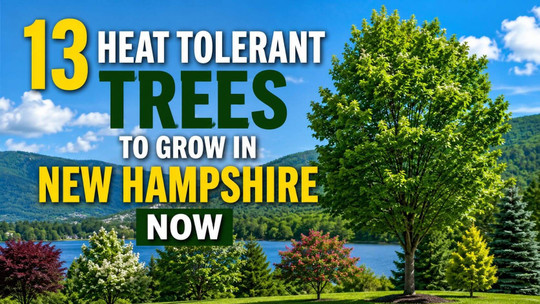
13 Heat-Tolerant Trees to Grow in New Hampshire Now
New Hampshire is known for cold winters, colorful fall foliage, forested mountains, and beautiful lakes. However, summers across the state can also bring stretches of hot weather, intense sunlight, and occasional drought conditions. Choosing trees that tolerate both summer heat and New Hampshire’s freezing winters can help create a healthier and more resilient landscape.
Heat-tolerant trees are especially useful for sunny yards, exposed properties, urban areas, and locations where soil dries quickly during the summer. Once established, many of these trees can handle periods of heat while continuing to provide shade, wildlife habitat, privacy, flowers, or brilliant fall color.
Before planting, always consider your property’s USDA Hardiness Zone, soil drainage, available space, and sunlight. Here are 13 heat-tolerant trees that can grow successfully in many parts of New Hampshire.
1. Red Maple
Red Maple is one of the most recognizable native trees in New England. It adapts to a wide range of growing conditions and can tolerate summer heat once it develops a strong root system.
This tree is especially valued for its brilliant fall foliage, which may turn shades of bright red, orange, or yellow. Red Maples grow relatively quickly and make excellent shade trees for larger yards.
Growing Information:
- USDA Hardiness Zones: 3–9
- Mature Height: 40–70 feet
- Sunlight: Full sun to partial shade
- Soil: Moist, acidic, well-drained soil
- Heat Tolerance: Good once established
2. Northern Red Oak
Northern Red Oak is a strong, long-lived native tree that performs well throughout much of New Hampshire. Its deep root system helps established trees tolerate hot and moderately dry summer conditions.
The broad canopy provides excellent shade, while its acorns offer an important food source for deer, squirrels, turkeys, and other wildlife. Fall foliage often develops attractive shades of red, russet, and reddish brown.
Growing Information:
- USDA Hardiness Zones: 3–8
- Mature Height: 60–75 feet
- Sunlight: Full sun
- Soil: Well-drained, slightly acidic soil
- Heat Tolerance: Very good
3. American Sycamore
American Sycamore is a massive native shade tree known for its distinctive peeling bark. As the outer bark flakes away, patches of white, cream, tan, and green appear along the trunk and branches.
Although American Sycamores naturally grow near rivers and streams, established trees can tolerate considerable summer heat. Their large size makes them best suited for spacious properties where the roots and canopy have plenty of room to expand.
Growing Information:
- USDA Hardiness Zones: 4–9
- Mature Height: 70–100 feet
- Sunlight: Full sun
- Soil: Moist, deep soil
- Heat Tolerance: Excellent
4. River Birch
River Birch is a fast-growing native tree with attractive peeling bark and an airy canopy. It is naturally adapted to moist areas but generally handles summer heat better than many other birch species.
This tree can be grown with a single trunk or multiple trunks and works well near ponds, streams, rain gardens, and low areas. River Birch is a useful alternative in warmer locations where Paper Birch may struggle.
Growing Information:
- USDA Hardiness Zones: 4–9
- Mature Height: 40–70 feet
- Sunlight: Full sun to partial shade
- Soil: Moist, acidic soil
- Heat Tolerance: Very good
5. Honey Locust
Honey Locust is an adaptable shade tree that tolerates heat, drought, compacted soil, road salt, and urban growing conditions. Its small leaflets create filtered shade that allows more sunlight to reach lawns and garden plants beneath the canopy.
Thornless and seedless cultivars are generally preferred for residential landscapes because they require less cleanup and are easier to maintain.
Growing Information:
- USDA Hardiness Zones: 3–8
- Mature Height: 30–70 feet
- Sunlight: Full sun
- Soil: Adaptable to many soil types
- Heat Tolerance: Excellent
6. Kentucky Coffeetree
Kentucky Coffeetree is a distinctive native tree with large compound leaves and a bold branching structure. It is highly adaptable and can tolerate heat, drought, urban pollution, and challenging soil conditions after establishment.
The open canopy creates light, filtered shade. Because the tree is relatively uncommon in residential landscapes, it can also become an interesting focal point.
Growing Information:
- USDA Hardiness Zones: 3–8
- Mature Height: 60–75 feet
- Sunlight: Full sun
- Soil: Moist, well-drained soil but highly adaptable
- Heat Tolerance: Excellent
7. Black Locust
Black Locust is a fast-growing native tree known for its fragrant clusters of white flowers. The spring blossoms attract bees and other beneficial pollinators.
This tree tolerates heat, drought, poor soil, and exposed locations. However, Black Locust can spread through root suckers and may become aggressive in some landscapes. Plant it where its growth can be monitored and managed.
Growing Information:
- USDA Hardiness Zones: 3–8
- Mature Height: 30–50 feet
- Sunlight: Full sun
- Soil: Well-drained soil
- Heat Tolerance: Excellent
8. Ginkgo
Ginkgo is an ancient tree species known for its unusual fan-shaped leaves. In fall, the foliage often turns a vivid golden yellow, creating a striking seasonal display.
Ginkgo trees tolerate heat, drought, compacted soil, pollution, and road salt once established. Male cultivars are usually recommended for landscapes because mature female trees produce fleshy seeds with a strong odor.
Growing Information:
- USDA Hardiness Zones: 3–8
- Mature Height: 40–70 feet
- Sunlight: Full sun
- Soil: Adaptable and well-drained
- Heat Tolerance: Excellent
9. Japanese Tree Lilac
Japanese Tree Lilac is a small ornamental tree that produces large clusters of creamy white flowers in early summer. Its manageable size makes it suitable for smaller yards, patios, walkways, and locations near homes.
This tree performs best in full sun and tolerates heat better than many common lilac shrubs. Good air circulation and well-drained soil can help maintain healthy growth.
Growing Information:
- USDA Hardiness Zones: 3–7
- Mature Height: 15–30 feet
- Sunlight: Full sun
- Soil: Fertile, well-drained soil
- Heat Tolerance: Good
10. Eastern Redbud
Eastern Redbud produces clusters of pink to purple flowers along its bare branches before the leaves appear in spring. The heart-shaped foliage creates an attractive canopy throughout the growing season.
In New Hampshire, Redbuds should be planted in a protected location away from harsh winter winds. Select a cold-hardy variety and provide consistent moisture during the first few growing seasons.
Growing Information:
- USDA Hardiness Zones: 4–9
- Mature Height: 20–30 feet
- Sunlight: Full sun to partial shade
- Soil: Moist, well-drained soil
- Heat Tolerance: Very good
11. Serviceberry
Serviceberry is a versatile native tree that offers beauty during several seasons. White flowers appear in spring, followed by edible berries that attract birds. Fall foliage may turn shades of orange, red, and yellow.
Serviceberry can grow as a small tree or a large multi-stemmed shrub. Although it appreciates regular moisture, established plants can tolerate moderate summer heat when grown in suitable soil.
Growing Information:
- USDA Hardiness Zones: 3–8
- Mature Height: 15–30 feet
- Sunlight: Full sun to partial shade
- Soil: Moist, well-drained, slightly acidic soil
- Heat Tolerance: Good
12. American Hornbeam
American Hornbeam is a native understory tree with smooth gray bark and dense green foliage. It is sometimes called Musclewood because of the trunk’s distinctive fluted appearance.
This smaller tree grows well in partial shade but can tolerate more sunlight when adequate soil moisture is available. Its fall foliage may develop shades of yellow, orange, and red.
Growing Information:
- USDA Hardiness Zones: 3–9
- Mature Height: 20–35 feet
- Sunlight: Partial shade to full sun
- Soil: Moist, rich, well-drained soil
- Heat Tolerance: Good with adequate moisture
13. Hackberry
Hackberry is a durable native shade tree that tolerates heat, drought, wind, compacted soil, and urban conditions. It develops a broad canopy and provides valuable habitat for birds and butterflies.
The small fruits are eaten by many bird species, while the tree serves as a host plant for several butterfly caterpillars. Hackberry is an excellent choice for challenging sites where less adaptable trees may struggle.
Growing Information:
- USDA Hardiness Zones: 2–9
- Mature Height: 40–70 feet
- Sunlight: Full sun to partial shade
- Soil: Adaptable to many soil types
- Heat Tolerance: Excellent
Tips for Planting Heat-Tolerant Trees in New Hampshire
Even heat-tolerant trees need proper care while their root systems become established. New trees are especially vulnerable to hot weather and dry soil during their first two or three growing seasons.
Use these tips to encourage healthy growth:
- Plant during spring or early fall when temperatures are cooler.
- Choose a location with enough space for the tree’s mature canopy and roots.
- Water deeply rather than applying small amounts of water frequently.
- Add 2–3 inches of organic mulch around the root zone.
- Keep mulch several inches away from the trunk.
- Avoid creating a mound of mulch against the tree.
- Water young trees during extended periods without rainfall.
- Protect newly planted trees from lawn mower and string-trimmer damage.
- Avoid excessive fertilization during the first year.
Choosing the Right Tree for Your New Hampshire Property
The best tree depends on the conditions found in your yard. Northern Red Oak, Honey Locust, Ginkgo, Kentucky Coffeetree, and Hackberry are strong choices for sunny locations where summer heat and occasional dry conditions may occur.
River Birch and American Sycamore are better suited to moist areas, while American Hornbeam and Serviceberry can grow in locations with partial shade. Homeowners looking for smaller flowering trees may prefer Japanese Tree Lilac or a cold-hardy Eastern Redbud.
New Hampshire’s climate requires trees that can withstand both winter cold and increasingly warm summer conditions. By selecting a tree suited to your soil, available space, sunlight, and local hardiness zone, you can create a more resilient landscape that provides shade, beauty, wildlife habitat, and seasonal interest for many years.