
Posted by TJ Hopkins on Aug 20th 2026
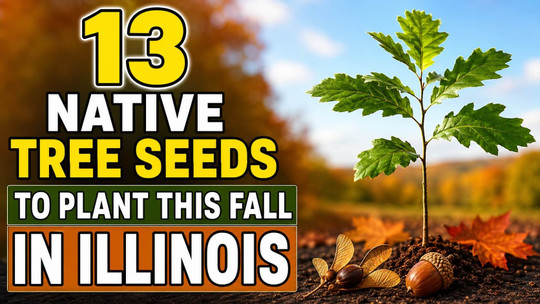
13 Native Tree Seeds to Plant This Fall in Illinois
Fall is an excellent time to plant native tree seeds in Illinois. As temperatures cool and autumn rains return, many native seeds can begin the natural processes that prepare them for spring germination.
Many Illinois tree species produce seeds that require a period of cold, moist conditions before they will sprout. This process, known as cold stratification, occurs naturally when seeds spend the winter outdoors in soil or beneath fallen leaves. Planting in fall can therefore imitate the conditions these trees experience in the wild.
Whether you're restoring a natural area, adding shade trees to your property, creating wildlife habitat, or simply experimenting with growing trees from seed, these 13 Illinois native trees are excellent choices for fall planting.
1. White Oak
White oak (Quercus alba) is one of the most impressive native trees found throughout Illinois. Mature trees develop broad crowns and can become magnificent landscape specimens.
White oak acorns are an important food source for squirrels, deer, turkeys, and numerous other wildlife species.
Unlike many other oak species, white oak acorns generally do not require a long cold-stratification period. Fresh acorns can be planted soon after they fall in autumn.
Plant healthy acorns about 1 to 2 inches deep in well-drained soil. Protect the planting area from squirrels and other animals that may dig them up.
2. Northern Red Oak
Northern red oak (Quercus rubra) is a large, fast-growing native oak valued for shade, wildlife habitat, and brilliant fall foliage.
Its acorns typically need an extended period of cold, moist conditions before germinating. Planting fresh acorns outdoors in fall allows winter weather to provide this treatment naturally.
Choose firm, healthy acorns and plant them approximately 1 to 2 inches deep.
Northern red oak grows best in sunny locations with well-drained soil and eventually develops into a substantial shade tree.
3. Bur Oak
Few trees represent the Midwestern landscape better than the bur oak (Quercus macrocarpa).
This rugged native oak produces unusually large acorns with distinctive fringed caps. Mature trees develop massive trunks, broad crowns, and thick bark.
Bur oak is especially valuable for wildlife because its acorns provide food for numerous mammals and birds.
Fresh acorns can be planted during fall before the ground freezes. Select a permanent location carefully because bur oaks can eventually become very large trees.
4. Shagbark Hickory
Shagbark hickory (Carya ovata) is easily recognized on mature specimens by its long strips of peeling bark.
The tree produces edible nuts that are also highly attractive to wildlife. Squirrels, chipmunks, deer, and other animals eagerly collect fallen hickory nuts.
Seeds benefit from cold stratification, making autumn an ideal time for outdoor sowing.
Plant freshly collected nuts approximately 1 to 2 inches deep and protect them from rodents.
Hickories develop substantial taproots while young, so planting them where they can remain permanently can reduce the need for later transplanting.
5. Black Walnut
Black walnut (Juglans nigra) is a valuable native Illinois hardwood known for its dark wood, large compound leaves, and edible nuts.
Fresh walnuts can be collected after they fall in autumn. After removing the outer husk, the nuts can be planted outdoors where winter temperatures naturally provide cold stratification.
Plant the nuts about 1 to 2 inches deep.
Choose the location carefully. Mature black walnut trees can reach considerable size and produce juglone, a natural compound that can affect the growth of some nearby plants.
6. American Sycamore
If you're looking for a native tree capable of reaching impressive proportions, consider American sycamore (Platanus occidentalis).
Sycamores are recognizable by their mottled white, gray, brown, and green bark. They commonly grow near rivers, streams, floodplains, and other moist areas.
Their round seed balls contain numerous small seeds that can be collected when mature.
Seeds exposed to cool, moist winter conditions are prepared for spring germination. Sycamores prefer plenty of sunlight and generally perform especially well where adequate moisture is available.
7. Eastern Redbud
Eastern redbud (Cercis canadensis) provides spectacular color early in the growing season. Pink to purple flowers appear along its branches before the leaves fully emerge.
The flowers are followed by flattened seedpods containing hard-coated seeds.
Redbud seeds typically benefit from both scarification and cold stratification. Outdoor fall planting can provide the necessary cold period, although breaking or weakening the hard seed coat may improve germination.
Redbuds are relatively small compared with large canopy trees, making them useful for residential landscapes.
8. Kentucky Coffeetree
Kentucky coffeetree (Gymnocladus dioicus) is a distinctive native tree with large compound leaves and chunky seedpods.
The extremely hard seed coat helps the seeds remain viable but also prevents water from entering easily. Scarification is generally necessary before sowing.
After properly scarifying the seeds, they can be planted and allowed to experience natural seasonal conditions.
Give Kentucky coffeetrees plenty of room. Mature specimens can become large, striking shade trees with bold branching patterns.
9. Hackberry
Hackberry (Celtis occidentalis) is a tough native tree capable of growing under a wide variety of conditions.
Its small fruits are particularly valuable to wildlife. Birds and mammals consume the fruit and help distribute the seeds.
Seeds generally benefit from a cold, moist stratification period. Planting mature seeds outdoors in autumn allows nature to provide this treatment through winter.
Hackberry is a good choice for gardeners seeking a durable native shade tree that also contributes to wildlife habitat.
10. American Basswood
Also known as American linden, American basswood (Tilia americana) is a large native tree with attractive heart-shaped leaves.
Its fragrant summer flowers are especially valuable to bees and other pollinating insects.
Basswood seeds can be challenging because they possess dormancy mechanisms that may delay germination. Seeds planted outdoors may require extended exposure to changing seasonal temperatures before sprouting.
For gardeners willing to be patient, growing basswood from seed can eventually produce a beautiful and ecologically valuable native tree.
11. River Birch
River birch (Betula nigra) is an excellent native option for wetter areas of the landscape.
It naturally occurs along rivers, streams, and floodplains and is known for its attractive peeling bark.
River birch produces very small seeds. Because the seeds are tiny, they should be planted shallowly rather than buried deeply.
Choose a location with adequate moisture and sunlight. Once established, river birch can grow relatively quickly compared with many other native hardwood trees.
12. American Hornbeam
American hornbeam (Carpinus caroliniana) is a smaller understory tree native to wooded areas of Illinois.
It is sometimes called musclewood because its smooth trunk develops distinctive ridges that resemble flexed muscles.
The seeds have dormancy requirements that can make germination slow. Natural outdoor sowing exposes them to seasonal temperature changes similar to those experienced in their native habitat.
American hornbeam is particularly attractive for woodland gardens and landscapes where a massive canopy tree would be too large.
13. Ohio Buckeye
Ohio buckeye (Aesculus glabra) is native to Illinois and produces large, shiny brown seeds during autumn.
Fresh buckeye seeds should not be allowed to dry excessively before planting. Sow them outdoors in fall so they receive the cool, moist conditions needed to overcome dormancy.
Plant seeds approximately 1 to 2 inches deep in a suitable location.
Remember that buckeye seeds and other parts of the plant contain toxic compounds and should not be eaten.
Why Fall Is a Great Time to Plant Native Tree Seeds
Many native Illinois trees have evolved so their seeds mature and fall shortly before winter. Instead of germinating immediately, the seeds remain dormant until environmental conditions become favorable.
Cold winter temperatures help break dormancy in many species. When temperatures rise and moisture becomes available in spring, germination can begin.
Fall sowing offers several advantages:
- Provides natural cold stratification for many species
- Reduces the need to stratify seeds artificially in a refrigerator
- Mimics the tree's natural reproductive cycle
- Allows seeds to respond naturally to warming spring soil
- Makes it possible to establish many trees inexpensively from seed
Not every species has identical requirements, however. Some seeds need scarification, some must remain moist, and others may require more than one season before germinating.
How to Plant Tree Seeds Outdoors in Fall
Start with fresh, viable seeds whenever possible. Remove damaged, moldy, insect-infested, or obviously empty seeds.
Prepare a planting location with good soil contact and remove thick weeds or competing vegetation.
Plant large seeds such as acorns, walnuts, and hickory nuts at the appropriate depth. Tiny seeds generally need much shallower planting.
Label each planting location with the tree species and planting date. This is particularly useful in spring when it can be difficult to distinguish young tree seedlings from surrounding plants.
A layer of natural leaf litter or light mulch can help maintain soil moisture, but avoid creating a thick layer that prevents seedlings from emerging.
Protect Seeds From Wildlife
One of the biggest challenges with fall planting isn't winter weather—it's hungry wildlife.
Squirrels, chipmunks, mice, and other animals are remarkably good at locating acorns, walnuts, hickory nuts, and other large seeds.
Consider protecting planted seeds with wire mesh or hardware cloth that allows rain and sunlight to reach the soil while discouraging animals from digging.
Remove or adjust the protection after seedlings emerge so it doesn't interfere with growth.
Don't Give Up Too Quickly
Growing native trees from seed requires patience.
Some seeds may germinate the following spring, while others can remain dormant considerably longer. Germination can also vary depending on seed freshness, soil moisture, temperature, planting depth, and natural dormancy.
Keep planting areas labeled and avoid disturbing them simply because seedlings don't appear immediately.
Choosing the Right Illinois Native Tree
Before planting, consider what the tree will look like decades from now.
Large trees such as white oak, bur oak, northern red oak, sycamore, and black walnut need substantial room. Smaller species such as eastern redbud and American hornbeam can be more appropriate for limited spaces.
Also consider:
- Mature tree height and spread
- Sunlight
- Soil drainage
- Available moisture
- Distance from buildings
- Overhead utility lines
- Underground utilities
- Wildlife value
- Desired fall color
- Long-term maintenance
Matching the species to the site gives your seedlings a much better chance of becoming healthy mature trees.
Plant a Piece of Illinois This Fall
Growing a native tree from seed is a long-term project, but that's part of what makes it rewarding. A tiny acorn, nut, or seed planted this autumn could eventually become a towering tree that provides shade, wildlife habitat, food, fall color, and beauty for generations.
From mighty white oaks and bur oaks to flowering redbuds and wildlife-friendly hackberries, Illinois has an impressive variety of native trees worth growing.
Gather fresh seeds when they're mature, learn the dormancy requirements of each species, protect your planting sites from hungry wildlife, and give nature time to do the rest. By spring, some of those carefully planted seeds may be starting their journey toward becoming the next generation of Illinois native trees.