
Posted by TJ Hopkins on Aug 3rd 2026
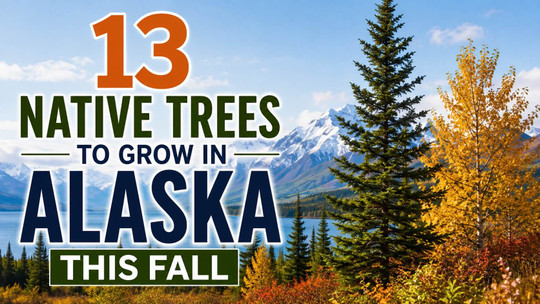
13 Native Trees to Grow in Alaska This Fall
Alaska is home to some of North America's most beautiful and resilient native trees. Planting native species is one of the best ways to create a landscape that thrives in Alaska's challenging climate while supporting local wildlife. Fall is an excellent time to plant trees because cooler temperatures and increased moisture help roots establish before winter dormancy.
Whether you're creating a wildlife habitat, adding shade to your property, or restoring native forests, these 13 Alaska native trees are excellent choices.
Why Plant Native Trees in Alaska?
Native trees are naturally adapted to Alaska's long winters, cool summers, and varied soils. They typically require less maintenance than non-native species and provide valuable food and shelter for birds, moose, pollinators, and other wildlife.
Benefits include:
- Better cold hardiness
- Lower water requirements after establishment
- Increased resistance to local pests and diseases
- Improved biodiversity
- Beautiful seasonal color
1. White Spruce (Picea glauca)
White Spruce is one of Alaska's signature evergreen trees. It grows throughout much of the state and is prized for its attractive pyramidal shape and year-round green needles.
Growing Conditions
- USDA Zones: 2–6
- Sun: Full sun
- Height: 40–80 feet
- Soil: Well-drained soils
Why Grow It?
- Excellent windbreak
- Wildlife shelter
- Beautiful evergreen landscape tree
2. Sitka Spruce (Picea sitchensis)
This towering coastal species is among the world's largest spruce trees and thrives in southeastern Alaska.
Growing Conditions
- Zones: 6–8
- Full sun
- Moist soils
Highlights
- Fast-growing
- Excellent shade tree
- Valuable wildlife habitat
3. Paper Birch (Betula papyrifera)
Known for its brilliant white bark, Paper Birch provides outstanding year-round beauty and spectacular golden fall foliage.
Growing Conditions
- Zones: 2–7
- Full to partial sun
- Moist, well-drained soil
Why You'll Love It
- Striking white bark
- Vibrant fall colors
- Excellent ornamental tree
4. Alaska Birch (Betula neoalaskana)
Closely related to Paper Birch, Alaska Birch is perfectly adapted to Interior Alaska.
Features
- Golden autumn leaves
- Attractive bark
- Cold-hardy
- Supports native wildlife
5. Black Cottonwood (Populus trichocarpa)
One of Alaska's fastest-growing native hardwoods.
Growing Conditions
- Zones: 3–8
- Moist soils
- Full sun
Benefits
- Rapid shade
- Wildlife habitat
- Excellent for large properties
6. Quaking Aspen (Populus tremuloides)
Aspens are famous for their shimmering leaves that dance in the breeze.
Highlights
- Brilliant yellow fall foliage
- Fast-growing
- Excellent wildlife value
- Creates beautiful groves
7. Balsam Poplar (Populus balsamifera)
This hardy native thrives near rivers and wetlands throughout Alaska.
Advantages
- Extremely cold hardy
- Fast-growing
- Fragrant spring buds
- Great for restoration projects
8. Mountain Hemlock (Tsuga mertensiana)
Native to Alaska's mountainous coastal regions, Mountain Hemlock is an elegant evergreen.
Best Features
- Graceful appearance
- Excellent evergreen screening
- Long-lived
- Wildlife shelter
9. Western Hemlock (Tsuga heterophylla)
Found primarily in Southeast Alaska's temperate rainforests.
Why Plant It?
- Dense evergreen foliage
- Shade tolerant
- Excellent privacy tree
- Attractive year-round
10. Pacific Yew (Taxus brevifolia)
A slow-growing evergreen known for its rich green needles and bright red berries.
Growing Needs
- Partial shade
- Moist, well-drained soil
- Protected locations
11. Scouler Willow (Salix scouleriana)
One of Alaska's most adaptable native willows.
Benefits
- Supports pollinators
- Excellent wildlife browse
- Handles poor soils
- Fast establishment
12. Feltleaf Willow (Salix alaxensis)
A beautiful native willow commonly found near rivers and wetlands.
Highlights
- Silvery foliage
- Extremely hardy
- Great for erosion control
- Valuable wildlife plant
13. Green Alder (Alnus viridis ssp. fruticosa)
Although often grown as a large shrub or small tree, Green Alder is incredibly valuable for improving soil health.
Benefits
- Nitrogen-fixing roots
- Supports native insects
- Excellent for restoration
- Thrives in difficult sites
Fall Planting Tips for Alaska
To give your new trees the best start:
- Plant 4–6 weeks before the ground freezes.
- Dig a hole twice as wide as the root ball.
- Water thoroughly after planting.
- Apply 2–4 inches of mulch while keeping it away from the trunk.
- Continue watering during dry fall weather until the soil freezes.
- Protect young trees from moose, rabbits, and rodents with tree guards or fencing.
Choosing the Right Tree
When selecting native trees, consider:
- Your USDA hardiness zone
- Soil drainage
- Available sunlight
- Mature tree size
- Distance from buildings and power lines
- Wildlife benefits
Evergreens like White Spruce provide year-round privacy and winter interest, while deciduous trees such as Paper Birch and Quaking Aspen deliver spectacular autumn color.
Final Thoughts
Planting native trees is one of the best long-term investments you can make for your Alaska landscape. These hardy species have evolved to withstand Alaska's extreme weather while providing food, shelter, and beauty throughout every season. By planting this fall, you'll give your trees months to establish strong root systems before spring growth begins, setting them up for decades of healthy growth.