
Posted by TJ Hopkins on Aug 30th 2026
13 Native Trees to Grow in Michigan This Fall
Michigan’s cool autumn temperatures, dependable rainfall, and rich soils make fall an excellent season for planting native trees. As temperatures drop, newly planted trees can focus their energy on developing strong roots instead of producing leaves and flowers. The soil also remains warm after the air begins to cool, giving roots time to establish before winter.
Native trees are especially valuable because they are adapted to Michigan’s climate and growing conditions. Once established, they generally require less maintenance while providing food, shelter, and nesting areas for local wildlife.
Here are 13 beautiful native trees to consider growing in Michigan this fall.
1. Sugar Maple
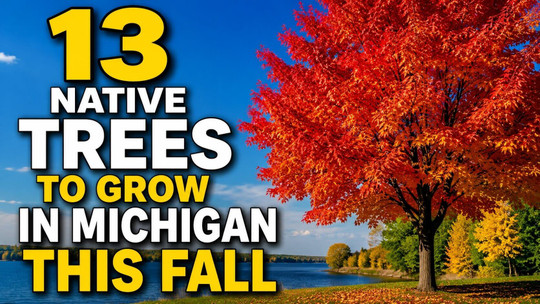
Sugar maple is one of Michigan’s most recognizable native trees. It is famous for its brilliant orange, yellow, and red autumn foliage. Mature trees develop wide, rounded crowns that provide generous shade.
Sugar maples grow best in deep, fertile, well-drained soil. Plant them where they have plenty of room to develop, since they can eventually reach 60 to 75 feet tall. Avoid locations exposed to heavy road salt or extremely compacted soil.
2. Red Maple
Red maple is a versatile native tree that tolerates a wider range of soil conditions than sugar maple. Its foliage may turn bright red, orange, or yellow during fall, depending on the individual tree and growing conditions.
This tree performs well in full sun or partial shade and can grow in moist or moderately dry soil. Red maple is a good option for homeowners who want a relatively fast-growing shade tree with dependable seasonal color.
3. Silver Maple
Silver maple is a fast-growing tree commonly found near Michigan’s rivers, wetlands, and floodplains. Its leaves have silvery undersides that flash in the wind, giving the canopy a lively appearance.
Because silver maples grow quickly and develop large root systems, they should be planted far away from sidewalks, foundations, septic systems, and underground pipes. They are best suited to large properties and open areas with moist soil.
4. Northern Red Oak
Northern red oak is a strong, stately tree that can live for many decades. Its broad canopy provides excellent summer shade, while its leaves often turn deep red or reddish brown in fall.
The acorns provide valuable food for squirrels, deer, wild turkeys, and other wildlife. Northern red oak grows best in full sun and well-drained, slightly acidic soil. Give it plenty of space because mature trees can reach 60 to 75 feet tall.
5. White Oak
White oak is a magnificent native tree known for its rounded leaves, pale bark, and spreading branches. Its fall foliage may develop shades of burgundy, reddish purple, and brown.
Although white oak grows more slowly than some other native trees, its strength, longevity, and wildlife value make it worth the wait. Plant it in full sun and deep, well-drained soil where it will have room to mature without being crowded.
6. Bur Oak
Bur oak is one of the toughest native oaks for challenging Michigan landscapes. It tolerates cold winters, drought, wind, and a variety of soil conditions once established.
Its large acorns have distinctive fringed caps and provide food for many animals. Bur oak can become a massive tree, so it is best planted in large yards, parks, naturalized areas, or along the edges of open fields.
7. Eastern White Pine
Eastern white pine is Michigan’s official state tree. This graceful evergreen has long, soft needles arranged in bundles of five. Its layered branches and blue-green foliage provide beauty and privacy throughout the year.
Eastern white pine grows best in full sun and moist, well-drained, slightly acidic soil. It can eventually reach 50 to 80 feet tall, so avoid planting it beneath power lines or too close to buildings.
8. Red Pine
Red pine is another important Michigan native evergreen. It has long, dark green needles and reddish-brown bark that becomes more attractive as the tree matures.
This tree prefers full sun and sandy, well-drained soil. It performs well on open properties and in naturalized landscapes. Red pine does not tolerate heavy shade, standing water, or compacted soil.
9. White Spruce
White spruce is a cold-hardy evergreen that performs well throughout much of Michigan. Its dense branches provide year-round screening, winter shelter for birds, and protection from strong winds.
Plant white spruce in full sun and well-drained soil. It can tolerate several soil types but does not grow well in locations that remain waterlogged. Allow enough space for air to circulate around the tree as it matures.
10. Eastern Hemlock
Eastern hemlock is a graceful evergreen with soft, flat needles and gently drooping branches. It naturally grows in cool forests, shaded ravines, and areas near streams.
Unlike many evergreens, eastern hemlock can tolerate substantial shade. It prefers cool, moist, well-drained soil and protection from harsh afternoon sun. Gardeners should monitor these trees for hemlock woolly adelgid, an invasive insect that can seriously damage untreated trees.
11. Paper Birch
Paper birch is loved for its chalky white bark, delicate branches, and bright yellow fall foliage. It creates an attractive woodland appearance and looks especially beautiful when planted in small groups.
This northern tree prefers cool conditions, full sun on its leaves, and moist soil around its roots. A layer of mulch can help protect the shallow root system and keep the soil cool during hot Michigan summers.
12. Black Cherry
Black cherry is a fast-growing native tree with clusters of white spring flowers followed by small, dark fruits. The cherries provide food for songbirds and many other animals, while the leaves support native insects and caterpillars.
It grows best in full sun and fertile, well-drained soil. Black cherry can become 50 to 80 feet tall, making it better suited to larger yards, woodland edges, and naturalized landscapes than small foundation plantings.
13. Serviceberry
Serviceberry is an excellent choice for homeowners who want a smaller native tree. It produces delicate white flowers in early spring, edible berry-like fruits in summer, and colorful orange or red foliage in fall.
The fruits attract birds and can also be used by people in jams, pies, and other recipes. Serviceberry generally reaches 15 to 30 feet tall and grows well in full sun or partial shade. It is a beautiful option for smaller yards, rain gardens, woodland borders, and wildlife gardens.
How to Plant Native Trees in Fall
Choose a healthy tree that is appropriate for the amount of sunlight, moisture, and space available on your property. Before digging, locate underground utilities and make sure the tree will not interfere with buildings or power lines as it matures.
Dig a planting hole two to three times wider than the root ball but no deeper than the root ball itself. The root flare, where the trunk begins to widen into the main roots, should remain visible at or slightly above the surrounding soil level.
Remove the container and loosen any circling roots before placing the tree in the hole. If the tree is wrapped in burlap, remove as much burlap, wire, and twine as possible after positioning it.
Backfill the hole with the original soil and water thoroughly to eliminate large air pockets. Avoid adding excessive fertilizer or heavily amended soil to the planting hole. Native soil encourages the roots to spread into the surrounding landscape.
Apply two to three inches of mulch around the tree, extending it outward rather than piling it against the trunk. Leave several inches of open space around the base to protect the bark from moisture, decay, and rodents.
Caring for Newly Planted Trees
Continue watering newly planted trees until the ground freezes. If autumn rainfall is limited, provide a slow, deep watering once or twice a week, depending on the soil and weather. The soil should remain evenly moist but never waterlogged.
Young trees may need trunk protection during winter, especially in areas where deer, rabbits, or rodents are active. Use a breathable tree guard and remove or adjust it as the trunk grows.
Staking is only necessary when a tree cannot remain upright on its own or when it is planted in an unusually windy location. Stakes should allow some natural trunk movement and should usually be removed after the first growing season.
Growing Michigan Native Trees From Seed
Fall is also a natural time to sow the seeds of many Michigan native trees. Acorns, maple seeds, black cherry pits, and some evergreen seeds often benefit from exposure to cold, moist winter conditions. This process, known as cold stratification, helps break dormancy and prepares the seeds for spring germination.
Seeds can be planted outdoors in pots, nursery beds, or prepared garden areas. Protect them from squirrels, mice, and other hungry animals with wire mesh. Keep the location labeled, since some native tree seeds may not germinate until the following spring or later.
Germination requirements vary by species, so research the specific pretreatment and planting depth needed for each type of seed.
Plant a Tree for Michigan’s Future
Planting a native tree is an investment that can benefit your property and the surrounding environment for generations. Native trees provide shade, improve soil stability, capture rainwater, support pollinators, and create essential wildlife habitat.
Whether you choose the fiery foliage of a sugar maple, the year-round greenery of an eastern white pine, or the spring flowers and summer fruit of a serviceberry, fall is a wonderful time to add a Michigan native tree to your landscape. Choose the right tree for your location, plant it carefully, and give it consistent water while its roots become established.