
Posted by TJ Hopkins on Aug 25th 2026
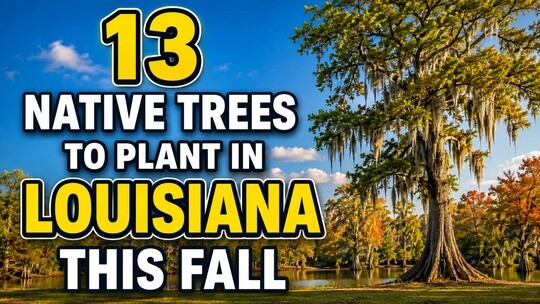
13 Native Trees to Plant in Louisiana This Fall
Fall is one of the best times to plant native trees in Louisiana. While the weather begins to cool, the soil often remains warm enough for roots to continue developing. Planting during fall gives young trees time to establish themselves before the heat and humidity of the following summer arrive.
Native trees are particularly well suited to Louisiana's climate, soils, rainfall, and wildlife. Once established, many require less maintenance than trees introduced from other regions. They can also provide food and shelter for birds, pollinators, squirrels, and other wildlife.
Whether you have a large rural property or a smaller backyard, here are 13 native Louisiana trees worth considering for fall planting.
1. Bald Cypress
Botanical Name: Taxodium distichum
Few trees represent Louisiana as well as the bald cypress. Louisiana's official state tree is famous for growing in swamps, along bayous, and in other wet areas, but it can also grow successfully in ordinary landscape soils when adequate moisture is available.
Bald cypress is a deciduous conifer, meaning its soft, feathery needles turn rusty orange or brown and drop during fall. Mature trees can eventually reach 50 to 70 feet or taller.
Plant bald cypress in full sun. It is an especially good choice for low areas of the yard where water occasionally collects.
2. Southern Live Oak
Botanical Name: Quercus virginiana
Southern live oak is one of the most impressive native trees you can plant in Louisiana. Mature specimens develop massive trunks and broad, spreading branches that can create tremendous amounts of shade.
These long-lived trees generally grow around 40 to 60 feet tall but may spread considerably wider than their height.
Because of their eventual size, live oaks should be planted where they have plenty of room to develop. Avoid planting them too close to houses, driveways, power lines, or other structures.
3. Southern Magnolia
Botanical Name: Magnolia grandiflora
Southern magnolia combines year-round greenery with spectacular flowers. Its large, glossy evergreen leaves create an attractive landscape tree throughout the year, while enormous fragrant white flowers appear during the warmer months.
Trees can eventually grow 60 to 80 feet tall under favorable conditions.
Southern magnolia performs best in full sun to partial shade and moist, well-drained soil. The seeds and foliage also contribute habitat and food resources for wildlife.
4. American Persimmon
Botanical Name: Diospyros virginiana
If you want a native tree that provides food for wildlife, American persimmon deserves consideration.
Female trees can produce orange fruits that become sweet when fully ripe. Deer, raccoons, opossums, birds, and other animals are also attracted to the fruit.
American persimmons generally reach about 30 to 60 feet tall. They tolerate a variety of soils and can grow in full sun or partial shade.
Remember that American persimmon trees are typically dioecious, with male and female flowers usually occurring on separate trees. Having compatible trees nearby improves the likelihood of fruit production.
5. Eastern Redbud
Botanical Name: Cercis canadensis
Eastern redbud is an excellent native choice when you don't have room for a huge shade tree.
The tree is best known for the masses of pink to purplish-pink flowers that appear on its bare branches in early spring. Heart-shaped leaves follow the flowers and provide attractive foliage throughout the growing season.
Eastern redbuds typically grow around 20 to 30 feet tall.
They perform well in full sun to partial shade and generally prefer reasonably moist, well-drained soil. Their relatively compact size makes them suitable for many residential landscapes.
6. Red Maple
Botanical Name: Acer rubrum
Red maple is a versatile native shade tree that can grow in many parts of Louisiana. Depending on conditions, mature trees commonly reach approximately 40 to 60 feet or more.
One reason homeowners enjoy red maples is their seasonal interest. Flowers and developing seeds can add color early in the year, while foliage may develop shades of yellow, orange, or red during fall.
Red maple tolerates both moist locations and a variety of ordinary landscape conditions, although performance varies with the site.
7. River Birch
Botanical Name: Betula nigra
River birch is particularly useful for moist parts of the landscape. In nature, it frequently occurs near streams, rivers, floodplains, and other areas where moisture is readily available.
One of its most distinctive features is its peeling bark. Younger trunks can display attractive shades of tan, cinnamon, salmon, and cream as the bark exfoliates.
River birches can reach approximately 40 to 70 feet tall and grow relatively quickly when conditions are favorable.
Give the tree plenty of moisture, especially while it is becoming established.
8. Sweetbay Magnolia
Botanical Name: Magnolia virginiana
For gardeners who like magnolias but want something different from the massive Southern magnolia, sweetbay magnolia is an excellent alternative.
The tree produces creamy white, pleasantly fragrant flowers and attractive leaves with silvery undersides. Depending on climate and growing conditions, it may behave as evergreen, semi-evergreen, or deciduous.
Sweetbay magnolia naturally occurs in moist locations and is a particularly useful tree for wetter areas of the landscape.
Its mature size varies considerably but is often more manageable than that of a large Southern magnolia.
9. American Holly
Botanical Name: Ilex opaca
American holly provides year-round landscape interest with its evergreen foliage. Female trees can also develop bright red berries that persist into the colder months and provide food for birds.
Trees commonly grow 15 to 30 feet tall in landscapes, although older specimens can become considerably larger.
American holly tolerates partial shade but can also grow in sunnier locations. It generally performs best in acidic, well-drained soil with adequate moisture.
Male and female flowers usually occur on separate plants, so a compatible male tree must be nearby for female trees to produce berries.
10. Blackgum
Botanical Name: Nyssa sylvatica
Blackgum, also called black tupelo, is an attractive native tree that deserves more attention in home landscapes.
Its glossy green leaves can develop brilliant shades of scarlet, orange, yellow, and purple during fall. Small fruits provide a valuable food source for birds and other wildlife.
Blackgum can eventually reach around 30 to 60 feet or more, depending on its location.
It develops a strong root system and is best planted in its permanent location while relatively young rather than being repeatedly transplanted.
11. Water Oak
Botanical Name: Quercus nigra
Water oak is a native oak commonly associated with bottomlands, floodplains, and moist areas throughout the southeastern United States.
It is a relatively fast-growing oak and can reach approximately 50 to 80 feet tall. Its broad crown can provide substantial shade.
The acorns are valuable to squirrels, deer, birds, and other wildlife.
Because water oak becomes a large tree, choose a location with enough space for both its canopy and root system to develop.
12. Shumard Oak
Botanical Name: Quercus shumardii
Shumard oak is another excellent native shade tree for properties with sufficient room.
It can grow approximately 50 to 80 feet tall and develops a broad crown as it matures. Its leaves may turn shades of red or reddish-brown during fall.
Like other native oaks, Shumard oak has considerable wildlife value. Its acorns provide food for numerous animals, while the tree itself offers nesting and shelter opportunities.
Plant it in full sun and provide adequate space for its eventual mature size.
13. Pecan
Botanical Name: Carya illinoinensis
Pecan is a large native tree with the added benefit of producing edible nuts.
Mature pecan trees frequently grow 70 to 100 feet tall and develop wide crowns, making them better suited to larger yards and properties than confined landscapes.
For reliable nut production, planting compatible cultivars that provide suitable cross-pollination is generally preferable to relying on a single seed-grown tree. However, even when grown primarily as a shade or wildlife tree, pecan can make an impressive addition to a Louisiana property.
Choose a sunny location with deep, fertile, well-drained soil and plenty of room for future growth.
Why Plant Native Louisiana Trees in Fall?
Louisiana's fall weather can make tree establishment easier than planting during the intense heat of summer. Cooler air temperatures reduce stress on newly planted trees, while warm soil encourages continued root development.
A tree planted in fall may have several months to begin establishing its root system before facing its first Louisiana summer.
Fall planting also typically means less frequent watering than would be necessary during hot summer weather. Newly planted trees still need consistent moisture, however, particularly when rainfall is limited.
Tips for Planting Trees in Louisiana This Fall
Select a location based on the tree's mature size rather than its size when purchased. A small sapling may eventually become a 70-foot tree with an equally impressive canopy.
Dig the planting hole approximately two to three times as wide as the root ball but no deeper than necessary. The root flare—the point where the trunk begins widening into the roots—should remain at or slightly above the surrounding soil level.
Backfill primarily with the soil removed from the planting hole rather than creating a small pocket of heavily amended soil.
Water thoroughly immediately after planting to settle the soil around the roots.
Adding approximately 2 to 3 inches of organic mulch around the planting area can help conserve moisture, moderate soil temperatures, and suppress weeds. Keep mulch several inches away from the trunk instead of piling it against the bark.
Continue checking soil moisture throughout fall and winter. Newly planted trees can still suffer from drought stress during cool weather.
Consider Your Planting Site
Louisiana landscapes can vary dramatically. Some properties have poorly drained clay soils, while others may have sandy or relatively well-drained conditions. Coastal areas may also experience salt exposure and stronger winds.
Before selecting a tree, consider:
- Available sunlight
- Soil drainage
- Mature tree height and width
- Proximity to buildings and power lines
- Typical soil moisture
- Local flooding potential
- Hurricane and wind exposure
- Your USDA Plant Hardiness Zone
Matching the tree to the planting site is one of the most important steps you can take toward long-term success.
Create a Landscape That Supports Wildlife
Native trees do much more than provide shade.
Oaks produce acorns for wildlife and support numerous insects that become food for birds. American persimmons provide fruit for mammals and birds. Hollies and blackgums offer berries or fruits, while mature trees provide nesting, roosting, and shelter opportunities.
Planting several different native tree species can create a more diverse landscape and provide wildlife resources during different seasons of the year.
Final Thoughts
Louisiana gardeners have an outstanding selection of native trees to choose from. From the iconic bald cypress and Southern live oak to flowering redbuds, wildlife-friendly persimmons, and towering pecans, there is a native tree for almost every appropriately sized landscape.
Fall is an excellent opportunity to get these trees into the ground so their roots can begin establishing before next summer.
Choose species that match your property's soil, moisture, sunlight, and available space. With thoughtful placement and proper care during establishment, the tree you plant this fall could become part of the Louisiana landscape for generations.