
Posted by TJ Hopkins on Aug 11th 2026
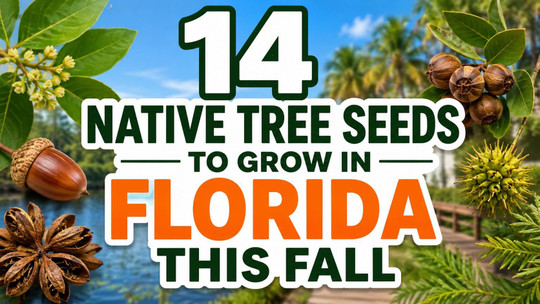
14 Native Tree Seeds to Grow in Florida This Fall
Fall is an excellent time to start many native Florida trees from seed. While much of the country is preparing for freezing temperatures, Florida’s mild autumn weather can provide favorable conditions for seed germination, root development, and young tree growth.
Growing native trees from seed is also an affordable way to add long-lasting beauty to your landscape. Native species are well adapted to Florida’s climate and can provide valuable food, shelter, and nesting habitat for birds, pollinators, and other wildlife.
Here are 14 native tree seeds worth growing in Florida this fall.
1. Southern Live Oak
Southern live oak (Quercus virginiana) is one of Florida’s most recognizable native trees. Its massive spreading branches eventually create an impressive shade canopy.
Fresh acorns can be collected in fall and should generally be planted soon after collection because they do not benefit from drying out for extended periods. Plant them about 1 inch deep in a container with well-draining soil.
Live oaks prefer full sun and can tolerate a wide range of Florida growing conditions once established.
2. Sand Live Oak
Sand live oak (Quercus geminata) is especially well suited to Florida’s sandy soils. It is typically smaller than the Southern live oak and has thick, leathery evergreen leaves.
Its acorns mature during fall, making this a convenient season for propagation. Plant fresh acorns in containers or directly in a protected location.
This species is an excellent option for dry landscapes and coastal areas.
3. Laurel Oak
Laurel oak (Quercus laurifolia) is a fast-growing native shade tree found throughout much of Florida. It develops a broad canopy and can become a substantial landscape tree.
Acorns can be planted in fall after they mature. Keep the growing medium consistently moist but never waterlogged while the seedlings become established.
Allow plenty of room if you intend to transplant the seedlings into the landscape.
4. Turkey Oak
Turkey oak (Quercus laevis) is a distinctive native oak that thrives in dry, sandy environments. Its deeply lobed leaves provide attractive seasonal interest.
Plant freshly collected acorns in a well-draining growing medium. Because the species naturally occurs in relatively dry habitats, seedlings should not be kept constantly saturated.
Turkey oak can be particularly useful for naturalized and wildlife-friendly landscapes.
5. Pignut Hickory
Pignut hickory (Carya glabra) is a native deciduous tree valued for its strong form, wildlife benefits, and attractive foliage.
The nuts have hard shells and typically require a period of cool, moist conditions before germination. Fall sowing can allow natural seasonal temperatures to help provide the conditions needed for spring germination.
Hickories develop substantial taproots, so use deep containers and transplant young seedlings before they become root-bound.
6. Red Maple
Red maple (Acer rubrum) occurs naturally across much of Florida, particularly in moist areas. Florida populations can behave differently from red maples growing farther north.
The tree is valued for its attractive foliage and ability to grow in moist soils. Seeds are usually produced earlier in the year rather than fall, so stored viable seed may require appropriate pretreatment before sowing.
Choose seed originating from Florida or another warm-climate population whenever possible.
7. Bald Cypress
Bald cypress (Taxodium distichum) is one of the most spectacular trees native to Florida wetlands. Although commonly associated with swamps and ponds, established trees can adapt to a surprising range of landscape conditions.
Seeds are contained inside rounded cones. They generally benefit from a period of cold, moist stratification before germination.
Give seedlings plenty of moisture during their early development.
8. Pond Cypress
Pond cypress (Taxodium ascendens) is closely related to bald cypress and is another excellent Florida native.
It naturally grows in wetlands, shallow ponds, and seasonally flooded areas. Seeds typically benefit from cool, moist stratification before planting.
Pond cypress is an especially interesting choice for rain gardens, pond margins, and naturally wet properties.
9. Sweetbay Magnolia
Sweetbay magnolia (Magnolia virginiana) produces fragrant creamy-white flowers and attractive red seeds. It naturally occurs in moist forests and wetlands throughout Florida.
Magnolia seeds have a fleshy outer coating that should be removed before sowing. The cleaned seeds generally benefit from a period of cool, moist stratification.
Plant seedlings where they can receive adequate moisture, particularly during their first few growing seasons.
10. Red Bay
Red bay (Persea borbonia) is an evergreen Florida native with aromatic leaves. Its dark fruits are eaten by birds and other wildlife.
Remove the fleshy portion of ripe fruits before planting the seeds. Fresh seed is generally preferable to seed that has been allowed to dry excessively.
One important consideration is laurel wilt disease, which has caused extensive mortality among red bay trees in Florida.
11. Gumbo Limbo
Gumbo limbo (Bursera simaruba) is famous for its peeling reddish bark and tropical appearance. It is native primarily to southern Florida.
This tree thrives in warm climates, so gardeners in South Florida have the greatest success growing it outdoors year-round.
Seeds should be planted in a warm, well-draining medium and kept moderately moist during germination.
12. Jamaica Dogwood
Jamaica dogwood (Piscidia piscipula) is a Florida native primarily associated with the southern part of the state and the Florida Keys.
It produces attractive flowers and develops into a handsome medium-sized tree. It performs best in warm locations with good drainage.
Because it is sensitive to significant cold, gardeners in central and northern Florida should consider whether their location is suitable before planting it permanently outdoors.
13. Buttonwood
Buttonwood (Conocarpus erectus) is a highly adaptable native tree or large shrub commonly found in coastal South Florida.
It tolerates heat, wind, salt, and relatively poor soils once established. Its unusual button-like fruit clusters contain the seeds.
Buttonwood makes an excellent choice for coastal landscapes where many less tolerant trees struggle.
14. Florida Strangler Fig
Florida strangler fig (Ficus aurea) is an impressive native tree of southern and central Florida. Mature specimens can develop complex trunks, aerial roots, and broad tropical-looking canopies.
The tiny seeds are contained inside the figs. In nature, birds distribute the seeds onto trees and other surfaces where they germinate.
Because mature strangler figs can become very large, choose a permanent planting location carefully and keep them well away from buildings and other structures.
Why Grow Florida Native Trees From Seed?
Growing native trees from seed requires more patience than purchasing established nursery trees, but it can be especially rewarding. A single packet or collection of seeds can potentially produce multiple trees for a fraction of the cost of buying mature specimens.
Native Florida trees can also offer several landscape benefits. Once established in appropriate sites, they are generally well adapted to local rainfall patterns, temperatures, soils, and seasonal conditions. Many provide nectar, pollen, fruits, nuts, seeds, nesting sites, or shelter for native wildlife.
Tips for Starting Tree Seeds in Florida
Florida's warm climate does not mean every native tree seed should simply be planted and kept warm. Germination requirements vary considerably by species.
For the best results:
- Start with fresh, viable seeds whenever possible.
- Research whether the species requires cold stratification or another pretreatment.
- Use clean containers with drainage holes.
- Choose a loose, well-draining seed-starting medium.
- Use deep pots for species such as oaks and hickories that develop substantial early root systems.
- Keep newly planted seeds moist without leaving the soil waterlogged.
- Protect containers from squirrels and other animals that may dig up large seeds and nuts.
- Use a humidity dome when additional humidity is needed.
- Gradually acclimate indoor-grown seedlings to outdoor sunlight.
- Match each tree to the soil, moisture, and climate conditions where it will eventually grow.
Choose Trees for Your Part of Florida
Florida covers several climate zones, so a tree that thrives in Miami may not be equally suitable for Tallahassee.
North Florida gardeners can grow many temperate native trees, including several oaks and hickories. Central Florida provides opportunities to grow both temperate and subtropical species, depending on the individual site. South Florida gardeners have access to tropical and subtropical natives such as gumbo limbo, buttonwood, and strangler fig.
Seed source matters too. Whenever possible, choose seeds collected from populations adapted to growing conditions similar to your own.
Start Your Florida Native Tree Garden This Fall
Planting a tree from seed is a long-term gardening project, but watching a tiny seed eventually develop into a substantial landscape tree makes the wait worthwhile.
Whether you want majestic live oaks, wetland-loving cypress trees, fragrant sweetbay magnolias, or tropical South Florida natives, fall is a great season to begin planning and starting your next generation of trees.
With the right species, proper seed preparation, and a little patience, the seeds you plant this fall could eventually become beautiful native trees that provide shade, wildlife habitat, and natural beauty for decades.