
Posted by TJ Hopkins on Aug 5th 2026
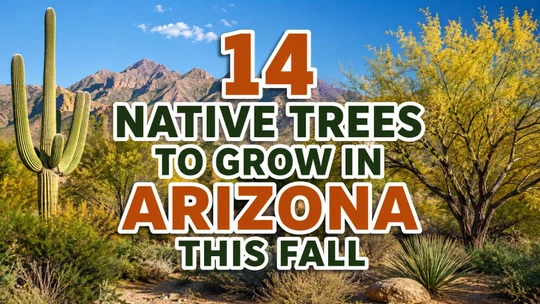
14 Native Trees to Grow in Arizona This Fall
Arizona's diverse landscapes range from scorching Sonoran Desert valleys to cool mountain forests, making it home to hundreds of unique native trees. Planting native species is one of the best ways to create a beautiful, low-maintenance landscape while providing food and shelter for local wildlife. Since these trees evolved in Arizona's climate, they generally require less water, are better adapted to local soils, and tolerate extreme temperatures more effectively than many non-native species.
Fall is the ideal time to plant trees throughout Arizona. Cooler temperatures reduce transplant shock, while warm soil encourages strong root development before summer heat returns. Whether you're creating a wildlife habitat, adding shade, or restoring native vegetation, these Arizona trees are excellent choices.
Why Plant Native Arizona Trees?
Native trees provide many long-term benefits:
- Require less supplemental watering once established
- Better adapted to Arizona's hot summers and mild winters
- Support native birds, butterflies, bees, and pollinators
- Improve soil stability and reduce erosion
- Create valuable shade that lowers surrounding temperatures
- Generally experience fewer pest and disease problems
1. Blue Palo Verde (Parkinsonia florida)
Arizona's official state tree, the Blue Palo Verde is famous for its brilliant yellow flowers that blanket the branches in spring. Its blue-green bark continues photosynthesis even during drought, making it one of the Southwest's most recognizable trees.
Mature Height: 20–35 feet
USDA Zones: 8–10
Sun: Full sun
2. Foothill Palo Verde (Parkinsonia microphylla)
A slightly smaller cousin of the Blue Palo Verde, this tree features tiny leaves and exceptional drought tolerance. It bursts into bright yellow bloom each spring and is ideal for xeriscape landscapes.
Mature Height: 15–25 feet
USDA Zones: 8–11
3. Velvet Mesquite (Prosopis velutina)
Velvet Mesquite provides excellent shade and produces seed pods that benefit wildlife. Its deep root system allows it to survive extended dry periods.
Mature Height: 30–50 feet
USDA Zones: 7–10
4. Desert Ironwood (Olneya tesota)
One of Arizona's most valuable desert trees, Ironwood grows slowly but can live for centuries. Purple spring flowers attract native pollinators while its dense canopy shelters desert wildlife.
Mature Height: 20–35 feet
USDA Zones: 9–11
5. Arizona Sycamore (Platanus wrightii)
Known for its striking white bark and broad canopy, Arizona Sycamore thrives along streams and washes. It makes an excellent shade tree where additional moisture is available.
Mature Height: 40–80 feet
USDA Zones: 7–10
6. Netleaf Hackberry (Celtis reticulata)
This hardy native produces small berries that birds love while tolerating drought and rocky soils. Its rugged appearance fits naturally into desert landscapes.
Mature Height: 20–40 feet
USDA Zones: 6–9
7. Arizona Walnut (Juglans major)
Found along streams and canyons, Arizona Walnut develops into a handsome shade tree with attractive compound leaves and edible nuts enjoyed by wildlife.
Mature Height: 30–50 feet
USDA Zones: 7–9
8. Arizona Ash (Fraxinus velutina)
Arizona Ash grows quickly and provides abundant shade. It performs well near irrigation and is commonly planted in parks and larger residential landscapes.
Mature Height: 30–50 feet
USDA Zones: 7–10
9. Emory Oak (Quercus emoryi)
A beautiful evergreen oak native to southeastern Arizona, Emory Oak produces acorns that provide food for birds, deer, squirrels, and other wildlife.
Mature Height: 30–60 feet
USDA Zones: 7–10
10. Arizona White Oak (Quercus arizonica)
This attractive oak develops a broad rounded crown and thrives in Arizona's mountain foothills. It offers excellent shade and outstanding wildlife value.
Mature Height: 30–50 feet
USDA Zones: 7–9
11. Alligator Juniper (Juniperus deppeana)
Named for its distinctive bark resembling alligator skin, this evergreen thrives in Arizona's higher elevations and provides year-round cover for birds.
Mature Height: 30–50 feet
USDA Zones: 6–9
12. Arizona Cypress (Cupressus arizonica)
A beautiful evergreen with blue-gray foliage, Arizona Cypress is highly drought tolerant once established and works well as a windbreak or privacy screen.
Mature Height: 40–60 feet
USDA Zones: 7–9
13. Desert Willow (Chilopsis linearis)
Despite its name, Desert Willow is not a true willow. It produces trumpet-shaped pink and lavender flowers throughout summer that attract hummingbirds and bees.
Mature Height: 15–30 feet
USDA Zones: 7–11
14. Mexican Buckeye (Ungnadia speciosa)
Native to southeastern Arizona, Mexican Buckeye offers fragrant pink spring flowers and colorful seed pods that add seasonal interest.
Mature Height: 15–30 feet
USDA Zones: 7–10
Tips for Planting Native Trees in Arizona
- Plant during fall when temperatures begin to cool.
- Dig a hole twice as wide as the root ball but no deeper.
- Water deeply after planting and continue regular watering during the first growing season.
- Apply 2–4 inches of mulch around the tree while keeping mulch away from the trunk.
- Select species suited to your elevation, soil type, and annual rainfall.
- Reduce watering gradually after establishment to encourage deep root growth.
Choosing the Right Tree
Arizona's climate varies dramatically depending on elevation. Desert communities benefit from drought-tolerant species such as Palo Verde, Mesquite, Desert Ironwood, and Desert Willow, while higher elevations can support oaks, sycamores, walnuts, cypress, and junipers. Matching the tree to your local conditions is the key to long-term success.
Final Thoughts
Native Arizona trees offer exceptional beauty while requiring fewer resources than many introduced species. They provide cooling shade, improve wildlife habitat, conserve water, and enhance the natural character of your landscape. By planting one or more of these 14 native trees this fall, you'll enjoy healthier trees and contribute to preserving Arizona's remarkable natural environment for generations to come.