
Posted by TJ Hopkins on Oct 7th 2026
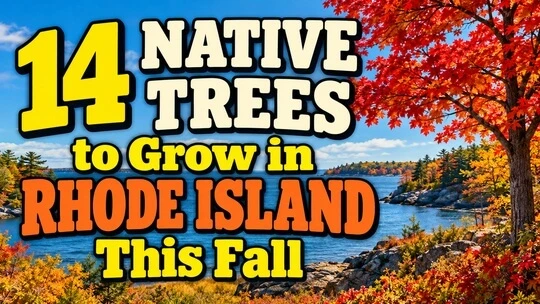
14 Native Trees to Grow in Rhode Island This Fall
Fall is one of the best times to think about adding native trees to a Rhode Island landscape. Cooler temperatures, increased moisture, and reduced summer heat can give newly planted trees a chance to establish roots before winter. Fall is also an excellent season for planting many native tree seeds because some species naturally require a period of cold, moist conditions before they will germinate in spring.
Rhode Island may be the smallest state, but it supports an impressive variety of native trees. From towering oaks and maples to smaller flowering trees, native species can provide shade, fall color, wildlife habitat, erosion control, and year-round beauty.
If you are looking for trees that are naturally suited to southern New England, here are 14 native trees to grow in Rhode Island this fall.
1. Red Maple
Red Maple (Acer rubrum) is one of the most recognizable native trees in Rhode Island. It grows in a wide variety of environments, from moist lowlands to relatively dry upland sites.
Red Maples are especially valued for their fall color. Depending on the individual tree and growing conditions, leaves can turn brilliant shades of red, orange, or yellow.
Why grow it: Red Maple is adaptable, fast-growing compared with many other native hardwoods, and provides excellent fall color.
Fall growing advantage: Seeds can be planted when fresh, while young container-grown trees can benefit from cool fall temperatures as their roots become established.
2. Sugar Maple
Sugar Maple (Acer saccharum) is a classic New England tree famous for brilliant autumn foliage and maple syrup production. Mature trees develop broad crowns that can provide substantial shade.
Sugar Maples prefer fertile, well-drained soil and generally perform best where they are protected from excessive heat, drought, road salt, and heavily compacted soil.
Why grow it: Beautiful fall color, a long lifespan, excellent shade, and its strong connection to the New England landscape make Sugar Maple an outstanding choice.
Fall growing advantage: Cooler weather reduces stress on newly planted trees and gives roots an opportunity to begin establishing before the following growing season.
3. Northern Red Oak
Northern Red Oak (Quercus rubra) is an impressive native shade tree capable of reaching substantial size. Its broad canopy makes it particularly useful where plenty of growing space is available.
Its leaves typically develop red, russet, or reddish-brown fall colors. The acorns are also an important food source for numerous forms of wildlife.
Why grow it: Northern Red Oak is a strong, long-lived shade tree that provides tremendous wildlife value.
Fall growing advantage: Fresh acorns can be planted in fall and allowed to experience winter conditions naturally.
4. White Oak
White Oak (Quercus alba) is one of the most valuable native trees you can add to a large property. Mature specimens can become enormous, with wide-spreading branches and impressive longevity.
The tree produces acorns that are eaten by squirrels, deer, turkeys, and many other animals. Its foliage can develop attractive red, burgundy, and brown shades in autumn.
Why grow it: White Oak combines longevity, shade, wildlife value, and the impressive appearance of a mature native oak.
Fall growing advantage: White Oak acorns should generally be planted soon after collection because they can begin germinating relatively quickly and do not store as easily as some other oak species.
5. Black Oak
Black Oak (Quercus velutina) is another large native oak found in Rhode Island and throughout much of the eastern United States. It generally prefers well-drained upland soils and plenty of sunlight.
Mature trees develop a broad crown and provide valuable acorns and habitat for wildlife.
Why grow it: Black Oak is an excellent option for naturalized areas, woodland restoration, and larger landscapes.
Fall growing advantage: Planting freshly collected acorns in autumn allows them to undergo the natural winter conditions needed before spring growth.
6. Scarlet Oak
Scarlet Oak (Quercus coccinea) earns its name from the brilliant red and scarlet colors its foliage can develop in autumn. It is especially well suited to sunny locations with acidic, well-drained soil.
It can become a substantial shade tree, so it should be planted where its canopy will have room to expand.
Why grow it: Scarlet Oak is an excellent combination of dramatic fall color, wildlife value, and native adaptability.
Fall growing advantage: Its acorns can be sown outdoors in fall and naturally exposed to cold winter conditions.
7. American Beech
American Beech (Fagus grandifolia) is a magnificent native forest tree known for smooth gray bark and a dense canopy. Young trees often retain some of their dry, tan leaves well into winter.
Beech nuts provide food for birds and mammals, while mature trees create valuable shelter and habitat.
Why grow it: American Beech has a distinctive appearance and is an excellent tree for woodland and naturalized landscapes.
Fall growing advantage: Beech seeds naturally experience cold conditions over winter, making fall an appropriate time to sow fresh seeds outdoors.
8. Black Cherry
Black Cherry (Prunus serotina) is a fast-growing native tree that can be found in forests, woodland edges, and disturbed areas throughout the region.
Clusters of small white flowers appear in spring, followed later by dark fruits. Those fruits are valuable to birds and other wildlife.
Why grow it: Black Cherry establishes relatively quickly, supports wildlife, and works well in naturalized landscapes.
Fall growing advantage: Seeds benefit from a cold period, so fall sowing can allow winter weather to provide natural cold stratification.
9. Eastern White Pine
Eastern White Pine (Pinus strobus) is one of New England's signature evergreen trees. It can eventually become extremely tall and develops soft bundles of long, slender needles.
White Pines can be planted individually as specimen trees or in groups for privacy, wind protection, and wildlife habitat.
Why grow it: It provides year-round greenery, grows relatively quickly, and can eventually become an impressive landscape tree.
Fall growing advantage: Cool fall conditions can be favorable for establishing young trees, particularly when the soil remains moist but well drained.
10. Eastern Red Cedar
Eastern Red Cedar (Juniperus virginiana) is a hardy native evergreen that can tolerate conditions that are difficult for many other trees. It performs particularly well in sunny locations with well-drained soil.
Female trees can produce blue, berry-like cones that provide food for birds.
Why grow it: Eastern Red Cedar provides year-round cover, wildlife habitat, wind protection, and excellent tolerance of challenging sites.
Fall growing advantage: Planting young trees during cool weather can reduce heat stress while allowing root establishment before winter dormancy.
11. Gray Birch
Gray Birch (Betula populifolia) is a relatively small, fast-growing native tree commonly associated with open areas and disturbed sites. Its pale bark gives it an attractive appearance even after the leaves have fallen.
Because it does not become as massive as an oak or White Pine, Gray Birch can be useful where a smaller native tree is preferred.
Why grow it: Fast growth, attractive bark, manageable size, and an ability to colonize difficult sites make it an interesting native choice.
Fall growing advantage: Cool conditions are favorable for establishing young birches as long as they receive sufficient moisture.
12. American Hornbeam
American Hornbeam (Carpinus caroliniana) is a smaller native understory tree that works well where a towering shade tree would be too large. It is sometimes called musclewood because of the smooth, muscular appearance of its trunk.
Its leaves can develop yellow, orange, and reddish shades during autumn.
Why grow it: American Hornbeam offers attractive bark, fall color, wildlife value, and a smaller mature size.
Fall growing advantage: Fall planting can help young trees establish roots during cool weather before the demands of summer.
13. Sassafras
Sassafras (Sassafras albidum) is one of the more unusual native trees you can grow in Rhode Island. Its leaves can have several different shapes, sometimes appearing mitten-shaped or having three lobes.
Autumn is when Sassafras really stands out. Leaves can develop mixtures of yellow, orange, red, and purple.
Why grow it: Few native trees combine unusual foliage with such a wide range of fall colors.
Fall growing advantage: Sassafras seeds normally require a cold, moist period before germination, making fall sowing a practical way to take advantage of natural winter temperatures.
14. Flowering Dogwood
Flowering Dogwood (Cornus florida) is a smaller native tree prized for its spring display, attractive branching structure, colorful fall foliage, and red fruits.
Unlike many large shade trees, Flowering Dogwood can fit comfortably into smaller landscapes. It generally prefers rich, well-drained soil and can benefit from some protection from intense afternoon sun.
Why grow it: Flowering Dogwood provides interest during several seasons while offering food and habitat for wildlife.
Fall growing advantage: Its seeds require cold stratification, so fall sowing outdoors can allow winter conditions to prepare the seeds for future germination.
Why Fall Is a Great Time to Plant Native Trees in Rhode Island
Fall provides several advantages for establishing native trees. Air temperatures are cooler, which reduces stress and water loss from leaves. At the same time, soil can remain warm enough for root activity after above-ground growth begins slowing.
Rainfall and cooler temperatures can also make it easier to keep newly planted trees adequately watered.
For tree seeds, fall planting can be even more useful. Many Rhode Island native trees have evolved so their seeds fall to the ground in late summer or autumn, remain outside throughout winter, and germinate when conditions become favorable.
Planting seeds outdoors in fall essentially allows nature to perform the cold stratification process.
Tips for Planting Native Trees This Fall
Choose your planting location based on the mature size of the tree rather than the size of the seedling. A small oak or White Pine may look easy to accommodate today but could eventually become one of the largest features on the property.
Match the tree to the site. Pay attention to sunlight, drainage, soil moisture, available space, and nearby structures. Avoid planting large trees directly beneath utility lines or too close to foundations.
When planting a young tree, dig a hole wide enough to accommodate the roots without forcing them into a tight space. Avoid planting the trunk too deeply. The root flare should remain near the soil surface.
Water thoroughly after planting and continue monitoring soil moisture until the ground freezes. A layer of mulch can help conserve moisture and protect the root zone, but keep mulch away from direct contact with the trunk.
If you are planting seeds, consider protecting them from squirrels, chipmunks, mice, and other animals. Acorns and other large tree seeds can disappear quickly when wildlife discovers them.
Grow a Piece of Rhode Island's Native Landscape
Planting native trees is about much more than adding another plant to the yard. A tree planted this fall could remain part of the landscape for decades—or, in the case of long-lived oaks, potentially generations.
For dramatic fall color, consider Red Maple, Sugar Maple, Scarlet Oak, or Sassafras. For a massive long-term shade tree, White Oak or Northern Red Oak are excellent choices. If you want an evergreen, consider Eastern White Pine or Eastern Red Cedar. For smaller spaces, American Hornbeam, Gray Birch, or Flowering Dogwood may be easier to accommodate.
Whether you start with a young tree or plant native tree seeds, fall is an excellent opportunity to begin. By choosing species naturally associated with Rhode Island and giving them the conditions they need, you can create a landscape that becomes more beautiful and valuable with every passing year.