
Posted by TJ Hopkins on Aug 27th 2026
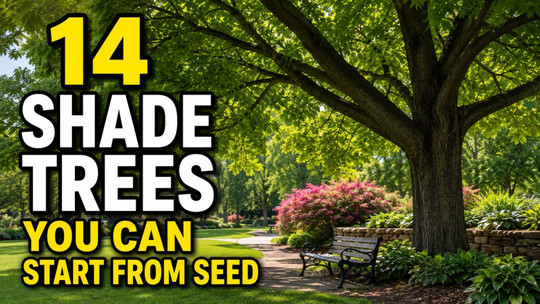
14 Shade Trees You Can Start From Seed
Growing a shade tree from seed takes patience, but it can be one of the most rewarding ways to add beautiful, long-lasting trees to your landscape. Instead of purchasing a large nursery tree, you can watch your tree develop from a tiny seed into a towering source of summer shade.
Many popular shade trees can be successfully started from seed at home. Some germinate quickly, while others require cold stratification or other pretreatment before they will sprout. Once established, these trees can provide cooling shade, wildlife habitat, fall color, and beauty for decades.
Here are 14 shade trees you can start from seed.
1. Sugar Maple
Sugar maple (Acer saccharum) is one of the most recognizable shade trees in North America. Its broad canopy provides excellent summer shade, while its leaves turn brilliant shades of yellow, orange, and red in fall.
Sugar maple seeds usually benefit from a period of cold, moist stratification before planting. Young trees grow best in fertile, well-drained soil and can eventually reach approximately 60 to 75 feet tall.
Why grow it: Outstanding fall color, a large shade canopy, and a long lifespan.
2. Northern Red Oak
Northern red oak (Quercus rubra) is an excellent choice if you want a large, sturdy shade tree. It develops a broad crown and can eventually reach 60 to 75 feet or taller under favorable conditions.
Red oak acorns can be planted in fall or given cold, moist stratification before spring planting. Protect planted acorns from squirrels and other animals that may dig them up.
Why grow it: Fast growth for an oak, attractive fall foliage, and excellent wildlife value.
3. American Sycamore
American sycamore (Platanus occidentalis) is a massive native tree known for its distinctive mottled bark. Mature trees can reach 75 to 100 feet or more and develop an impressive spreading canopy.
The small seeds can be started in containers and generally germinate best when kept consistently moist. Sycamores appreciate plenty of sunlight and moisture, especially while young.
Why grow it: Rapid growth, beautiful bark, and an enormous shade canopy.
4. Tulip Tree
Tulip tree (Liriodendron tulipifera), also known as tulip poplar, is a fast-growing native tree capable of becoming one of the tallest trees in the landscape. Its distinctive leaves and yellow-green, tulip-shaped flowers make it especially attractive.
Seeds generally require cold stratification before germination. Give seedlings plenty of room because mature trees can reach 70 to 90 feet or taller.
Why grow it: Fast growth, impressive height, flowers, and abundant shade.
5. American Linden
American linden (Tilia americana), commonly called basswood, develops a large, rounded crown that makes it an excellent shade tree. Its fragrant flowers are also valuable to bees and other pollinators.
Basswood seeds can be slow to germinate because of their hard seed coats and dormancy. They may require both warm and cold stratification before sprouting.
Why grow it: Dense shade, fragrant flowers, and excellent pollinator value.
6. Silver Maple
Silver maple (Acer saccharinum) is known for its rapid growth and wide-spreading canopy. It can reach approximately 50 to 80 feet tall and is particularly well adapted to moist locations.
Unlike many maple species, fresh silver maple seeds generally do not require lengthy cold stratification. Seeds mature in spring and are best planted while fresh.
Why grow it: Very fast growth and quick development of a large shade canopy.
7. Hackberry
Hackberry (Celtis occidentalis) is a tough native tree that can tolerate a wide variety of growing conditions. It typically reaches 40 to 60 feet tall and develops a rounded, spreading crown.
Seeds usually benefit from cold stratification before planting. Once established, hackberry is tolerant of drought, wind, urban conditions, and different soil types.
Its small fruits are also an important food source for birds.
Why grow it: Tough, adaptable, wildlife-friendly, and dependable for shade.
8. Black Walnut
Black walnut (Juglans nigra) can grow into a magnificent shade tree reaching approximately 50 to 75 feet tall. Its large compound leaves create an attractive canopy, and mature trees produce edible walnuts.
Fresh nuts can be planted outdoors in fall, allowing winter temperatures to naturally break dormancy. They can also be cold-stratified for spring planting.
Keep in mind that black walnut produces juglone, a natural compound that can inhibit the growth of certain sensitive plants nearby.
Why grow it: Large canopy, edible nuts, valuable wood, and excellent wildlife value.
9. Kentucky Coffeetree
Kentucky coffeetree (Gymnocladus dioicus) is a distinctive native shade tree with large compound leaves and an open, attractive branching structure.
The seeds have extremely hard coats and usually need scarification before planting. Once the seed coat has been properly treated, germination can occur relatively quickly under warm conditions.
Mature trees commonly reach 60 to 75 feet tall.
Why grow it: Unique appearance, drought tolerance, and excellent shade.
10. Honey Locust
Honey locust (Gleditsia triacanthos) is a fast-growing tree that develops an attractive, filtered shade canopy. Its small leaflets allow some sunlight to reach the ground, making it easier to grow grass beneath the tree than under extremely dense shade trees.
The hard-coated seeds typically require scarification before planting.
Wild honey locust trees can develop large thorns, so consider the characteristics of the parent tree when collecting seeds.
Why grow it: Fast growth, attractive foliage, and light, filtered shade.
11. American Elm
American elm (Ulmus americana) is famous for its graceful, vase-shaped form. Mature trees can reach 60 to 80 feet or more and produce an impressive canopy over lawns, streets, and large properties.
Fresh seeds from healthy trees can be planted after they mature. Germination requirements can vary depending on seed source and storage.
When planting American elm, consider selecting disease-resistant varieties or seed sources whenever possible because Dutch elm disease remains a concern.
Why grow it: Classic shape, large canopy, and strong landscape presence.
12. Bur Oak
Bur oak (Quercus macrocarpa) is an exceptionally hardy oak known for its massive trunk, broad crown, and unusually large acorns with fringed caps.
Fresh acorns can often be planted soon after collection. Bur oak develops a strong root system and becomes highly drought tolerant once established.
It grows more slowly than some other shade trees, but a mature bur oak can become an extraordinary landscape specimen.
Why grow it: Long lifespan, impressive size, drought tolerance, and wildlife value.
13. Sweetgum
Sweetgum (Liquidambar styraciflua) is an attractive shade tree known for its star-shaped leaves and colorful fall foliage. Depending on conditions, leaves can turn yellow, orange, red, burgundy, or purple.
The tiny seeds generally benefit from a period of cold stratification before spring sowing.
One consideration is that mature sweetgum trees produce spiny seed balls that can accumulate beneath the tree.
Why grow it: Beautiful fall color, fast growth, and a tall shade-producing canopy.
14. Ginkgo
Ginkgo (Ginkgo biloba) is one of the world's most distinctive trees. Its fan-shaped leaves turn brilliant golden yellow in fall, often dropping within a relatively short period and creating a carpet of color beneath the tree.
Seeds typically require cleaning and a period of cold stratification before germination. Because ginkgo trees grow relatively slowly when young, growing one from seed requires patience.
Seed-grown trees may be male or female. Mature female trees produce fleshy seeds with a strong odor, so this is something to consider before planting a seed-grown ginkgo near patios, sidewalks, or entrances.
Why grow it: Exceptional fall color, unusual foliage, longevity, and tolerance of urban conditions.
Tips for Growing Shade Trees From Seed
Starting trees from seed is different from growing annual flowers or vegetables. Many tree species have natural dormancy mechanisms that prevent seeds from germinating immediately after they fall.
Before planting, research the specific germination requirements for your tree species. Some seeds need cold stratification, while others may require scarification, soaking, or simply planting while fresh.
Use containers deep enough for developing roots and a well-draining growing medium. Keep the medium evenly moist without leaving it waterlogged.
Once seedlings emerge, provide plenty of light and protect them from extreme heat, drying winds, rodents, and other animals.
Young trees grown in containers should be transplanted before they become severely root-bound. When planting outdoors, choose the permanent location carefully and consider the tree's mature height, canopy width, root system, and distance from buildings and utility lines.
Protect Newly Planted Tree Seeds
Acorns, walnuts, and other large tree seeds are attractive food sources for squirrels, chipmunks, mice, and other wildlife. Consider covering outdoor seed beds with protective wire mesh until germination occurs.
Clearly label your containers as well. Many tree seeds can take months to germinate, and it is easy to forget what was planted.
Be Patient With Tree Seeds
One of the most important things to remember when growing trees from seed is that germination does not always happen quickly.
Some species may sprout within weeks, while others can take several months or even remain dormant until another growing season. Don't automatically discard a container simply because nothing appears immediately.
Give seeds the correct treatment, maintain suitable moisture, and allow nature time to do its work.
Final Thoughts
Growing shade trees from seed is a long-term gardening project, but the reward can be extraordinary. A tree that begins as a seed in a small pot could eventually become the centerpiece of your yard, providing shade for people and habitat for wildlife for generations.
Sugar maples, oaks, sycamores, tulip trees, hackberries, walnuts, ginkgoes, and many other large trees can all be started from seed with the proper preparation.
The most important step is choosing a species suited to your climate and planting location. Give your seedlings enough space, protect them while they are young, and be patient. You aren't just growing a seedling—you are starting a tree that could remain in the landscape for decades or even centuries.