
Posted by TJ Hopkins on Aug 13th 2026
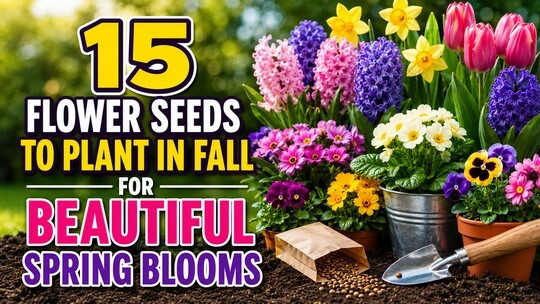
15 Flower Seeds to Plant in Fall for Beautiful Spring Blooms
Fall may seem like the end of the gardening season, but it can actually be one of the best times to sow flower seeds. Many hardy annuals, perennials, and spring-blooming flowers benefit from spending the winter outdoors, where cold temperatures and natural moisture help prepare their seeds for germination.
Planting flower seeds in fall can also mean less work when spring arrives. Instead of waiting for the soil to warm and then starting your garden, seeds are already in place and ready to germinate when conditions are right.
Here are 15 flower seeds worth planting in fall for a colorful display of spring and early-summer blooms.
Why Plant Flower Seeds in Fall?
Fall sowing follows the natural life cycle of many flowering plants. In the wild, mature plants drop their seeds during late summer and autumn. Those seeds remain in the soil throughout winter before germinating when temperatures rise.
For species that require a period of cold, moist conditions to break dormancy, winter weather can provide natural cold stratification. Fall planting may also allow seedlings to establish earlier than seeds planted in spring.
Timing is important. Some seeds should be planted late enough that they don't germinate during a temporary warm spell before winter. Others can be planted earlier because their young plants tolerate cold temperatures.
1. Lupine
Lupines produce tall, dramatic flower spikes in shades of blue, purple, pink, yellow, white, and combinations of these colors.
Their seeds have a hard outer coating and often benefit from exposure to winter conditions. Fall sowing allows nature to provide much of the preparation needed for spring germination.
Plant lupines in a sunny location with well-drained soil. Once established, their deep roots can make mature plants relatively drought tolerant.
2. Poppies
Poppies are excellent candidates for direct fall sowing. Their tiny seeds can be scattered over prepared soil and lightly pressed into the surface.
Avoid burying poppy seeds deeply. They generally germinate best when planted close to the soil surface.
Depending on the variety, poppies can produce brilliant red, orange, pink, white, purple, or pastel-colored flowers.
3. Bachelor’s Buttons
Bachelor’s buttons, also known as cornflowers, are easy-to-grow annual flowers famous for their vivid blue blooms.
In climates with suitable winters, seeds can be planted in fall for earlier flowering the following season. They perform best in full sun and tolerate relatively poor soils once established.
The flowers are attractive to pollinators and work beautifully in cottage gardens and wildflower plantings.
4. Larkspur
Larkspur is particularly well suited to cool growing conditions. Fall planting can give seeds the cold exposure they need while allowing plants to get an early start once conditions become favorable.
The tall flower spikes are available in blue, purple, pink, lavender, and white.
Choose a sunny, well-drained planting location and avoid disturbing seedlings unnecessarily because larkspur generally performs best when direct-sown.
5. Black-Eyed Susan
Black-eyed Susans bring cheerful golden-yellow flowers with dark centers to summer gardens.
Seeds can be scattered in fall, allowing winter weather to naturally condition them before germination. Once established, the plants are relatively low maintenance and can return year after year in suitable growing conditions.
They are particularly valuable in pollinator gardens and naturalized landscapes.
6. Purple Coneflower
Purple coneflower is a popular native perennial known for its large pinkish-purple petals surrounding prominent cone-shaped centers.
Fall sowing is an excellent option because the seeds often benefit from cold, moist conditions.
Plant them in full sun or light shade. Established coneflowers tolerate periods of dry weather and provide nectar for bees and butterflies. Their seed heads can also provide food for birds later in the season.
7. Sweet Peas
Sweet peas are prized for their colorful, fragrant flowers and climbing growth habit.
In areas with relatively mild winters, seeds can be planted during fall so plants become established during cooler weather. Gardeners in areas with severe winters may need to wait until late winter or early spring.
Provide a trellis, fence, or other support for the vines as they grow.
8. Calendula
Calendula produces bright yellow and orange daisy-like flowers and thrives during cool weather.
Seeds germinate readily and can be direct-sown in fall in climates where young plants can survive winter conditions. In colder areas, very late fall sowing may allow seeds to remain dormant until spring.
Calendula grows well in sunny locations and can begin blooming relatively early in the season.
9. Johnny Jump-Ups
Johnny jump-ups are charming little flowers closely related to pansies and violas. Their small blooms commonly combine purple, yellow, and white.
These flowers prefer cooler weather and readily reseed themselves in favorable locations.
Planting seeds in fall can encourage early spring growth and flowers when much of the garden is only beginning to wake up.
10. Columbine
Columbine is an excellent perennial for woodland gardens, cottage gardens, and partially shaded areas.
Its distinctive flowers come in numerous combinations of red, yellow, blue, purple, pink, and white.
Columbine seeds often benefit from a period of cold stratification, making fall sowing a convenient way to let winter temperatures perform the process naturally.
11. Coreopsis
Coreopsis produces masses of cheerful, daisy-like flowers that are commonly yellow but may also feature red, orange, or bicolored patterns.
Many perennial coreopsis varieties can be sown in fall. Winter exposure can help prepare the seeds for spring germination.
Once established, coreopsis is generally easy to maintain and performs particularly well in sunny locations with good drainage.
12. Milkweed
Milkweed is especially valuable for wildlife gardens because it serves as the host plant for monarch butterfly caterpillars.
Many native milkweed species produce seeds that naturally experience winter conditions before germinating.
Fall planting is one of the easiest ways to imitate this natural cycle. Choose a milkweed species native or well suited to your region for the best results.
13. Shasta Daisy
Shasta daisies are classic garden perennials with bright white petals surrounding sunny yellow centers.
Seeds can be planted in fall in many regions, particularly when gardeners want winter weather to naturally condition them.
Plant Shasta daisies in a sunny location with well-drained soil. Mature plants form attractive clumps and can produce flowers for many years.
14. Sweet William
Sweet William is a traditional cottage-garden flower that produces clusters of colorful blooms in red, pink, white, purple, and multicolored combinations.
The plants tolerate cool temperatures and can be started from seed during fall in suitable climates.
Sweet William performs best in fertile, well-drained soil and full sun to partial shade.
15. Forget-Me-Nots
Forget-me-nots produce masses of delicate blue flowers, although pink and white varieties are also available.
These plants thrive in cool conditions and are particularly attractive in woodland gardens, borders, and partially shaded areas.
Fall-sown seeds can germinate naturally when conditions become favorable. Once established, forget-me-nots frequently reseed themselves, creating larger displays in future seasons.
How to Plant Flower Seeds in Fall
Prepare the planting area by removing weeds, unwanted vegetation, and heavy debris. Loosen the upper layer of soil and smooth the surface before sowing.
Follow the recommended planting depth for each species. Tiny seeds are often surface-sown or barely covered, while larger seeds may need to be planted somewhat deeper.
After sowing, gently water the area if the soil is dry. Avoid heavy watering that could wash small seeds away.
Mark your planting locations so you don't accidentally disturb them during spring garden cleanup.
When Should You Plant?
The ideal planting time depends on both your climate and the flower species.
If the goal is for seeds to remain dormant throughout winter, wait until consistently cold weather has arrived and the soil temperature is low enough to prevent germination.
Gardeners in warmer climates may be able to plant cool-season flowers earlier in fall and allow seedlings to grow throughout winter.
Always consider the winter hardiness and growing requirements of the particular species you're planting.
Don't Plant Every Flower Seed in Fall
Although fall sowing works beautifully for many flowers, it isn't appropriate for everything.
Tender, heat-loving flowers may be damaged by freezing temperatures or prolonged exposure to cold, wet soil. Some species are much more reliable when started indoors or planted after the danger of frost has passed.
Before planting, check whether your chosen flower naturally benefits from cold exposure and whether fall sowing is recommended for your growing zone.
Create a More Colorful Spring Garden
Planting flower seeds in fall is an easy way to get a head start on next year's garden. Instead of storing every packet of seeds until spring, you can use winter weather to your advantage.
Poppies, lupines, coneflowers, columbines, black-eyed Susans, and many other flowers naturally respond well to seasonal temperature changes. With the right varieties and proper timing, seeds planted before winter can emerge when conditions become favorable and develop into beautiful flowers.
A little planting work in autumn can reward you with a garden filled with color, pollinators, and fresh blooms when the growing season returns.