
Posted by TJ Hopkins on May 24th 2026
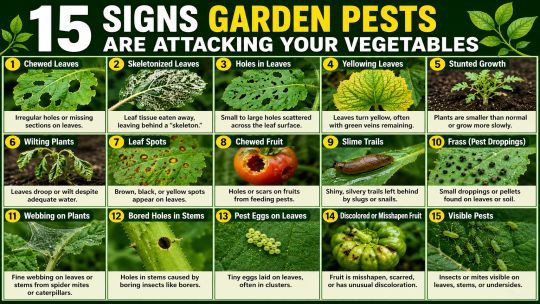
15 Signs Garden Pests Are Attacking Your Vegetables
A healthy vegetable garden can quickly become a target for insects, slugs, mites, and other destructive pests. The sooner you recognize the warning signs, the faster you can stop damage before it spreads throughout your garden. From chewed leaves to slime trails and yellowing plants, pests often leave behind clear clues that something is wrong.
Here are 15 common signs garden pests may be attacking your vegetables and what you can do about them.
1. Chewed Leaves
Irregular holes or missing sections on leaves are one of the most obvious signs of pest damage. Caterpillars, beetles, grasshoppers, and earwigs commonly chew on vegetable foliage.
Common causes:
- Cabbage worms
- Japanese beetles
- Grasshoppers
- Earwigs
Inspect leaves early in the morning or late evening when pests are most active.
2. Skeletonized Leaves
If only the veins of the leaf remain while the soft tissue has been eaten away, pests are likely skeletonizing your plants.
Common pests:
- Japanese beetles
- Mexican bean beetles
- Flea beetles
Severely damaged leaves reduce the plant’s ability to photosynthesize and produce vegetables.
3. Holes in Leaves
Small pinholes or larger scattered holes often indicate feeding insects.
Possible culprits:
- Flea beetles
- Caterpillars
- Slugs
- Leaf miners
Young seedlings are especially vulnerable to this kind of damage.
4. Yellowing Leaves
Leaves turning yellow can sometimes signal nutrient deficiencies, but pests can also weaken plants and cause discoloration.
Common causes include:
- Aphids sucking sap
- Spider mites
- Whiteflies
- Root-feeding insects
Check underneath leaves for tiny insects or webbing.
5. Stunted Growth
Vegetable plants that stop growing or remain unusually small may be under pest stress.
Possible pests:
- Root knot nematodes
- Aphids
- Thrips
- Cutworms
Pests feeding on roots or sap can prevent plants from developing properly.
6. Wilting Plants
Plants that wilt despite proper watering may have root or stem damage caused by pests.
Look for:
- Squash vine borers
- Root maggots
- Cutworms
Wilting often becomes worse during the hottest part of the day.
7. Leaf Spots
Brown, black, or yellow spots on leaves may indicate pest feeding or disease spread by insects.
Potential causes:
- Stink bugs
- Leafhoppers
- Thrips
Damaged leaves may eventually curl, dry out, or drop off.
8. Chewed Fruit
Holes or bites taken from tomatoes, peppers, cucumbers, and other vegetables are common signs of feeding pests.
Frequent offenders:
- Hornworms
- Slugs
- Birds
- Rodents
Damaged fruit can quickly rot if left on the plant.
9. Slime Trails
Shiny slime trails on leaves, mulch, or soil usually point to slug or snail activity.
Slugs are especially active:
- During cool weather
- After rainfall
- At night
They often hide beneath mulch, rocks, and boards during the day.
10. Frass (Pest Droppings)
Tiny black droppings on leaves or around plants are called frass and are a major clue that caterpillars or other insects are feeding nearby.
Check for:
- Tomato hornworms
- Armyworms
- Caterpillars
Finding frass often helps locate hidden pests faster.
11. Webbing on Plants
Fine webbing on leaves and stems is usually caused by spider mites.
Signs include:
- Tiny moving dots
- Dusty-looking leaves
- Yellow speckling
Spider mites thrive during hot, dry weather and can spread rapidly.
12. Bored Holes in Stems
Small holes in stems or vines may indicate boring insects inside the plant.
Common pests:
- Squash vine borers
- Corn borers
- Stem borers
Plants may suddenly wilt or collapse after internal damage becomes severe.
13. Pest Eggs on Leaves
Clusters of tiny eggs on leaves are an early warning sign before pests hatch and spread.
Common eggs found in gardens:
- Cabbage moth eggs
- Squash bug eggs
- Stink bug eggs
Removing eggs early can prevent major infestations later.
14. Discolored or Misshapen Fruit
Fruit that develops odd shapes, scars, or discoloration may be suffering from pest feeding.
Likely culprits:
- Stink bugs
- Thrips
- Aphids
Damaged vegetables may still be edible but often lose quality and appearance.
15. Visible Pests
Sometimes the clearest sign is simply seeing insects on your plants.
Common garden pests include:
- Aphids
- Cucumber beetles
- Squash bugs
- Whiteflies
- Spider mites
Check leaves regularly, especially the undersides where pests like to hide.
How to Protect Your Vegetable Garden From Pests
Preventing pests is easier than dealing with a major infestation. Here are a few simple ways to keep your garden healthy:
- Inspect plants daily for early signs of damage
- Remove weeds and plant debris
- Encourage beneficial insects like ladybugs and lacewings
- Rotate crops each season
- Water consistently to reduce plant stress
- Use row covers to protect young plants
- Hand-pick larger pests when possible
Healthy plants are naturally more resistant to insect damage and recover faster when problems appear.
Final Thoughts
Garden pests are a normal part of growing vegetables, but catching the warning signs early can save your harvest. Whether you notice chewed leaves, slime trails, yellowing foliage, or insects crawling on your plants, quick action helps prevent small problems from becoming major infestations.
Regular garden inspections and healthy growing practices are the best defenses against destructive pests throughout the growing season.