
Posted by TJ Hopkins on Aug 13th 2026
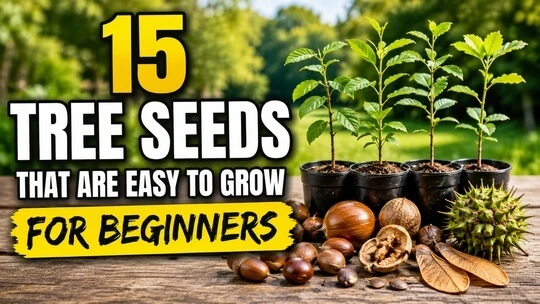
15 Tree Seeds That Are Easy to Grow for Beginners
Growing a tree from seed can be one of the most rewarding gardening projects. Instead of purchasing an established tree from a nursery, you can watch the entire process unfold—from the first tiny root emerging from the seed to a young seedling developing its first true leaves.
While some tree seeds can be challenging to germinate, plenty of species are suitable for beginners. Many require only basic preparation, patience, moisture, and the right growing conditions.
If you're ready to try growing trees from seed, here are 15 beginner-friendly choices to consider.
1. Eastern Redbud
Eastern redbud (Cercis canadensis) is a beautiful native tree famous for its bright pink to purple flowers that appear on bare branches in early spring.
The seeds have a hard outer coating, so they benefit from scarification followed by cold stratification. Once properly prepared, they can be relatively straightforward to germinate.
Redbuds grow best in full sun to partial shade and adapt to many well-drained soils. Their manageable size also makes them suitable for smaller landscapes.
USDA Zones: 4–9
Mature Height: 20–30 feet
Sun: Full sun to partial shade
2. Black Locust
Black locust (Robinia pseudoacacia) is a fast-growing tree that produces fragrant clusters of white flowers in spring.
Its seeds have extremely hard coats that naturally protect them from moisture. Scarification helps water reach the interior of the seed and encourages germination.
Black locust seedlings can grow rapidly once established. Keep in mind that the species can spread aggressively in some locations, so check whether it is appropriate for your area before planting.
USDA Zones: 3–8
Mature Height: 30–50 feet
Sun: Full sun
3. Catalpa
Catalpa trees are excellent choices for beginners because their large, winged seeds are easy to handle and generally don't require complicated preparation.
Northern catalpa (Catalpa speciosa) develops enormous heart-shaped leaves and clusters of showy white flowers. Long seed pods develop later in the season.
Seeds can usually be planted in a moist seed-starting mixture and kept warm until germination.
USDA Zones: 4–8
Mature Height: 40–60 feet
Sun: Full sun to partial shade
4. Mimosa Tree
Mimosa (Albizia julibrissin) produces attractive fern-like foliage and fluffy pink flowers during summer.
The seeds have a hard coating, but scarification or soaking can help encourage germination. Seedlings typically develop quickly under warm, bright conditions.
Mimosa can be invasive in parts of the United States. Check local recommendations before growing or planting it outdoors.
USDA Zones: 6–9
Mature Height: 20–40 feet
Sun: Full sun
5. Honey Locust
Honey locust (Gleditsia triacanthos) is another tree with hard-coated seeds that respond well to scarification.
Once the seed coat has been properly treated, the seeds can germinate readily under warm conditions. Young seedlings appreciate plenty of sunlight and consistent moisture without waterlogged soil.
Honey locust eventually becomes a large shade tree, so choose its permanent location carefully.
USDA Zones: 3–8
Mature Height: 30–70 feet
Sun: Full sun
6. Pomegranate
Pomegranate (Punica granatum) is an enjoyable choice for gardeners interested in growing a fruit-producing tree or shrub from seed.
Seeds can be removed from a ripe fruit, thoroughly cleaned and planted in a well-draining growing medium. Warm temperatures can help promote germination.
Keep in mind that pomegranate plants grown from seed may not produce fruit identical to the parent plant. Even so, they make interesting container plants and attractive garden specimens in warmer climates.
USDA Zones: 7–10
Mature Height: 10–20 feet
Sun: Full sun
7. Lemon
Lemon seeds are among the easiest tree seeds for beginners to experiment with indoors.
Fresh seeds can be cleaned and planted in moist potting mix. Keep the container warm and provide bright light once seedlings emerge.
A seed-grown lemon tree may take many years to produce fruit, and its fruit may differ from that of the parent tree. For beginners interested primarily in learning how seeds germinate and seedlings develop, however, citrus is a fun project.
USDA Zones: Generally 9–11 outdoors
Sun: Full sun
8. Apple
Growing an apple tree from seed takes patience, but the process itself is relatively simple.
Apple seeds generally require a period of moist cold stratification before they will germinate. This can be accomplished by keeping the seeds in a moist medium in the refrigerator for several weeks.
After stratification, the seeds can be planted in containers and moved to a warm, bright location.
Apple trees grown from seed will not necessarily produce apples like the fruit the seeds came from. Each seedling is genetically unique.
USDA Zones: Varies by variety
Mature Height: Varies considerably
Sun: Full sun
9. Peach
Peach pits contain seeds that can be grown into attractive young trees. Like apple seeds, peach seeds normally need cold stratification before germinating.
After the cold treatment is completed, the seeds can be planted in well-drained soil and placed somewhere warm.
Seed-grown peach trees may eventually produce fruit, although the characteristics and quality can differ from those of the parent tree.
USDA Zones: Generally 5–9
Sun: Full sun
10. American Persimmon
American persimmon (Diospyros virginiana) is a native fruit tree that can be grown successfully from seed.
Its seeds typically benefit from cold, moist stratification. Afterward, plant them in a well-draining growing medium and maintain consistent moisture while waiting for germination.
American persimmons can eventually become substantial trees and are valuable to many forms of wildlife.
USDA Zones: 4–9
Mature Height: 30–60 feet
Sun: Full sun to partial shade
11. Pawpaw
Pawpaw (Asimina triloba) is a fascinating North American native tree that produces large fruits with soft, custard-like flesh.
Pawpaw seeds need to remain moist and generally require an extended period of cold stratification. They should not be allowed to completely dry out before planting.
Young pawpaw seedlings appreciate some protection from intense sunlight during their early development.
USDA Zones: 5–9
Mature Height: 15–30 feet
Sun: Partial shade when young; more sun as established
12. White Mulberry
White mulberry (Morus alba) grows quickly and can be relatively easy to start from seed.
The small seeds can be planted shallowly in a moist, well-draining growing medium. Providing warmth, light and consistent moisture encourages seedling development.
However, white mulberry can spread readily and is considered invasive or undesirable in some areas. Check local regulations and recommendations before planting it outdoors.
USDA Zones: 4–8
Mature Height: 30–50 feet
Sun: Full sun
13. Tamarind
Tamarind (Tamarindus indica) is an excellent option for gardeners who want to experiment with tropical tree seeds.
Its hard seeds benefit from scarification or soaking before planting. Once prepared, they can be planted in a well-draining potting mixture and kept warm.
In colder climates, tamarind can be grown as a container plant and brought indoors when temperatures drop.
USDA Zones: Approximately 10–11 outdoors
Mature Height: Up to 40–60 feet in tropical conditions
Sun: Full sun
14. Date Palm
Date palm (Phoenix dactylifera) seeds are another fun beginner project, especially because seeds can be collected from whole dates.
After removing all remaining fruit material, soak the seeds and plant them in a warm, moist growing medium. Germination can take time, so patience is important.
Seed-grown date palms make attractive houseplants while young, although they eventually need considerable space.
USDA Zones: Approximately 9–11
Sun: Full sun
15. Black Walnut
Black walnut (Juglans nigra) is a magnificent North American native tree that can be grown from its large nuts.
The nuts normally require cold, moist stratification to overcome dormancy. They can also be planted outdoors in fall and allowed to experience natural winter conditions, although protection from squirrels and other wildlife may be necessary.
Black walnut eventually becomes a very large tree, so it needs plenty of room. The tree also produces juglone, a naturally occurring compound that can affect certain nearby plants.
USDA Zones: 4–9
Mature Height: 50–75 feet or more
Sun: Full sun
Tips for Growing Tree Seeds Successfully
Even beginner-friendly tree seeds need the right conditions. A few simple practices can greatly improve your chances of raising healthy seedlings.
Research seed dormancy. Some seeds can be planted immediately, while others require scarification, soaking, warm stratification or cold stratification.
Use clean containers. Containers should have drainage holes so excess water can escape.
Choose a well-draining growing medium. Seed-starting mix should retain enough moisture for germination without remaining soggy.
Maintain consistent moisture. Don't allow germinating seeds to completely dry out, but avoid constantly saturated soil.
Provide sufficient light. Once seedlings emerge, adequate light helps prevent weak, stretched growth.
Don't plant seeds too deeply. Planting depth varies by species. Very small seeds are usually planted close to the surface, while larger seeds can typically be planted deeper.
Label your containers. Write the tree species and planting date on each container, especially when starting several varieties at once.
Be patient. Tree seeds don't all germinate at the same speed. Some may emerge within weeks, while others can take several months or even longer.
Understanding Scarification and Stratification
Two terms beginners frequently encounter when growing tree seeds are scarification and stratification.
Scarification involves weakening or opening a hard seed coat so moisture can reach the embryo. Depending on the species, this may involve carefully nicking, sanding or soaking the seed.
Cold stratification recreates the cool, moist conditions seeds would naturally experience during winter. Seeds are typically placed in a moist medium and refrigerated for a species-specific period before planting.
These treatments might sound complicated at first, but they are simply ways of recreating natural conditions.
Start Small and Enjoy the Process
You don't need a greenhouse or years of gardening experience to start growing trees from seed. A few containers, suitable growing medium, healthy seeds and a little patience can be enough to get started.
For your first attempt, consider choosing two or three species rather than starting all 15 at once. Fast-growing or easily handled seeds such as catalpa, pomegranate, lemon or tamarind can provide a good introduction to seed propagation.
Once you've successfully raised your first tree seedling, you can experiment with species that require longer stratification periods or more specialized growing conditions.
The most exciting part of growing a tree from seed is knowing that a tiny seed you planted today could eventually become a tree that lives for decades—or even generations.