
Posted by TJ Hopkins on Jul 4th 2026
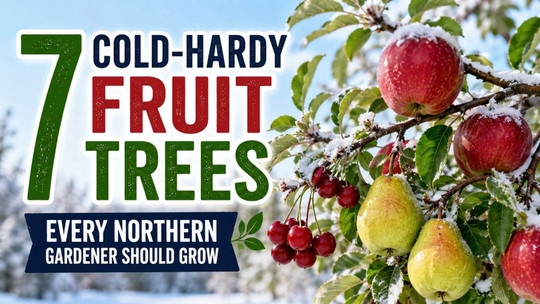
7 Cold-Hardy Fruit Trees Every Northern Gardener Should Grow
If you live in USDA Hardiness Zones 3 through 6, growing your own fruit is easier than you might think. Many fruit trees have been bred or selected specifically to withstand freezing winters while still producing abundant harvests year after year. With the right varieties, you can enjoy fresh apples, pears, cherries, and more—even after months of snow and below-zero temperatures.
Whether you're planting a backyard orchard or adding a single tree to your landscape, these cold-hardy fruit trees are excellent choices for northern gardeners.
1. Apple Trees (Malus domestica)
Apple trees are among the most dependable fruit trees for colder climates. Many cultivars thrive in Zones 3–6 and produce delicious fruit despite harsh winters.
Popular cold-hardy varieties include:
- Honeycrisp
- Haralson
- Liberty
- Wealthy
- Cortland
Why grow apples?
- Extremely cold hardy
- Long-lived trees
- Hundreds of varieties available
- Great for fresh eating, baking, cider, and storage
Growing Tips
- Plant in full sun.
- Provide well-drained soil.
- Most apple trees require a second variety nearby for pollination.
2. Pear Trees (Pyrus communis)
Many pear trees are surprisingly cold tolerant and reward gardeners with sweet, juicy fruit in late summer and fall.
Recommended varieties include:
- Ure
- Parker
- Golden Spice
- Luscious
Why grow pears?
- Beautiful spring blossoms
- Reliable harvests
- Disease-resistant varieties available
- Excellent fresh or canned
Growing Tips
- Plant two compatible varieties for pollination.
- Avoid low areas where late spring frosts settle.
- Harvest fruit while still firm and allow it to ripen indoors.
3. Sour Cherry Trees (Prunus cerasus)
Unlike sweet cherries, sour cherries tolerate colder temperatures and are much more dependable in northern climates.
Popular varieties include:
- Montmorency
- North Star
- Meteor
Why grow sour cherries?
- Very winter hardy
- Self-pollinating
- Heavy annual crops
- Perfect for pies, jams, and preserves
Growing Tips
- Plant in full sunlight.
- Keep trees pruned for airflow.
- Protect ripening fruit from birds with netting.
4. Plum Trees (Prunus domestica and Prunus americana)
Several plum varieties are well adapted to cold winters and produce sweet fruit in late summer.
Recommended varieties include:
- Mount Royal
- Superior
- Toka
- Alderman
Why grow plums?
- Attractive spring flowers
- Excellent fresh or dried
- Good wildlife value
- Fast-growing trees
Growing Tips
- Plant in fertile, well-drained soil.
- Some varieties need a pollinator.
- Thin heavy fruit crops for larger plums.
5. Peach Trees (Hardy Varieties)
Although peaches are usually associated with warmer climates, several hardy cultivars can survive in Zones 4 and even protected areas of Zone 3.
Popular choices include:
- Reliance
- Contender
- Madison
Why grow peaches?
- Delicious homegrown flavor
- Beautiful pink blossoms
- Earlier harvest than many other fruit trees
Growing Tips
- Choose a sheltered planting location.
- Protect flower buds from late frosts when possible.
- Prune annually to encourage productive growth.
6. Apricot Trees (Hardy Cultivars)
Apricots can be challenging in cold climates, but newer hardy selections make them a realistic option for many northern gardeners.
Recommended varieties:
- Harcot
- Westcot
- Moorpark (protected locations)
Why grow apricots?
- Sweet, flavorful fruit
- Early harvest season
- Beautiful ornamental blossoms
Growing Tips
- Plant on elevated ground to reduce frost damage.
- Choose late-blooming varieties whenever possible.
- Avoid overly wet soils.
7. Mulberry Trees (Morus alba and Hardy Hybrids)
Mulberries are incredibly hardy, easy to grow, and produce abundant berries with very little maintenance.
Recommended varieties:
- Illinois Everbearing
- Northrop
- Hardy Hybrid
Why grow mulberries?
- Heavy fruit production
- Minimal care required
- Excellent wildlife tree
- Long harvest season
Growing Tips
- Plant where fallen fruit won't stain sidewalks or driveways.
- Full sun produces the best crops.
- Water during dry periods while trees become established.
Tips for Growing Fruit Trees in Cold Climates
A little planning goes a long way toward healthy trees and abundant harvests.
- Select varieties rated for your USDA Hardiness Zone.
- Plant in full sun whenever possible.
- Improve drainage before planting.
- Mulch around the base to help regulate soil temperature.
- Water consistently during the first few growing seasons.
- Protect young trunks from rabbits, mice, and deer during winter.
- Prune annually to improve airflow and fruit production.
Choosing the Right Fruit Tree
When selecting a fruit tree, consider more than just winter hardiness. Think about your available space, desired harvest season, pollination requirements, and how you plan to use the fruit. Some trees excel for fresh eating, while others are better suited for baking, preserving, or making cider.
If you have room, planting several different species can provide fresh fruit from early summer through late fall while increasing biodiversity in your landscape.
Final Thoughts
Cold winters don't have to limit your gardening ambitions. By choosing fruit trees that are naturally adapted to northern climates, you can enjoy years of beautiful spring blossoms, summer shade, and fresh homegrown fruit. Whether you start with dependable apple and pear trees or branch out into cherries, plums, peaches, apricots, or mulberries, these hardy varieties can thrive in Zones 3 through 6 and reward you with delicious harvests for decades to come.