
Posted by TJ Hopkins on Jul 14th 2026
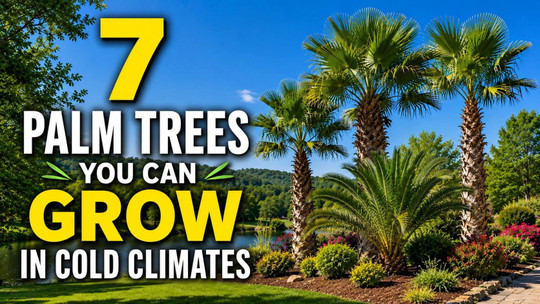
7 Palm Trees You Can Grow in Cold Climates
Palm trees aren't just for tropical beaches. Several hardy species can survive freezing temperatures and even occasional snowfall, making them excellent choices for gardeners in cooler regions. Whether you live in the Mid-Atlantic, Pacific Northwest, or parts of the Midwest, these cold-hardy palms can add an exotic touch to your landscape.
Here are seven of the best palm trees for colder climates.
1. Windmill Palm (Trachycarpus fortunei)
The Windmill Palm is one of the most popular cold-hardy palms thanks to its excellent winter tolerance and attractive appearance.
Why You'll Love It:
- Hardy to about 5°F (-15°C) once established
- Grows 20–40 feet tall
- Fan-shaped leaves on a slender trunk
- Fast-growing compared to many palms
USDA Zones: 7–11
2. Needle Palm (Rhapidophyllum hystrix)
Often considered the most cold-hardy palm in the world, the Needle Palm survives temperatures that would kill most other palm species.
Highlights:
- Hardy to -10°F (-23°C)
- Dense, shrub-like growth
- Excellent for foundation plantings
- Extremely low maintenance
USDA Zones: 6–10
3. Dwarf Palmetto (Sabal minor)
This native North American palm thrives in both cold weather and wet soils.
Benefits:
- Cold hardy to -5°F (-20°C)
- Usually grows only 3–6 feet tall
- Great for smaller landscapes
- Tolerates shade better than most palms
USDA Zones: 6–10
4. European Fan Palm (Chamaerops humilis)
Native to the Mediterranean, this beautiful clumping palm offers a tropical look with surprising cold tolerance.
Features:
- Hardy to around 10°F (-12°C)
- Multi-trunk growth habit
- Silver-green foliage
- Excellent for containers or landscapes
USDA Zones: 8–11
5. Mazari Palm (Nannorrhops ritchiana)
Known for its striking blue-green leaves, the Mazari Palm performs well in dry climates and cooler winters.
Advantages:
- Cold hardy to around 10°F (-12°C)
- Drought tolerant
- Unique silvery-blue foliage
- Slow-growing but very durable
USDA Zones: 7–11
6. California Fan Palm (Washingtonia filifera)
Although best known from the American Southwest, the California Fan Palm tolerates occasional freezing temperatures better than many tropical palms.
Highlights:
- Hardy to about 15°F (-9°C)
- Can exceed 50 feet tall
- Fast-growing
- Excellent specimen tree
USDA Zones: 8–11
7. Cabbage Palm (Sabal palmetto)
The state tree of Florida and South Carolina, the Cabbage Palm is surprisingly resilient and can handle brief cold snaps.
Reasons to Grow It:
- Hardy to approximately 10°F (-12°C)
- Mature height of 30–50 feet
- Highly wind resistant
- Low maintenance once established
USDA Zones: 8–11
Tips for Growing Palm Trees in Cold Climates
Even cold-hardy palms benefit from a little extra care during winter.
- Plant palms in a sunny, sheltered location.
- Improve drainage before planting.
- Apply mulch around the base to insulate roots.
- Water regularly during the first growing season.
- Protect young palms with frost cloth during severe cold snaps.
- Avoid excessive winter fertilization.
Can Palm Trees Really Survive Snow?
Yes. While tropical palms struggle in freezing weather, hardy varieties like the Needle Palm, Windmill Palm, and Dwarf Palmetto regularly survive snow, ice, and freezing temperatures. Established plants are far more resilient than newly planted ones, making proper site selection and winter protection especially important during the first few years.
Final Thoughts
If you've always wanted a tropical-looking landscape but live in a region with cold winters, you still have plenty of options. Choosing hardy species such as the Windmill Palm, Needle Palm, or Dwarf Palmetto allows you to enjoy lush, evergreen foliage without moving to a tropical climate. With the right location and a little winter protection when young, these palms can become stunning, long-lasting additions to your garden.