
Posted by TJ Hopkins on Jun 30th 2026
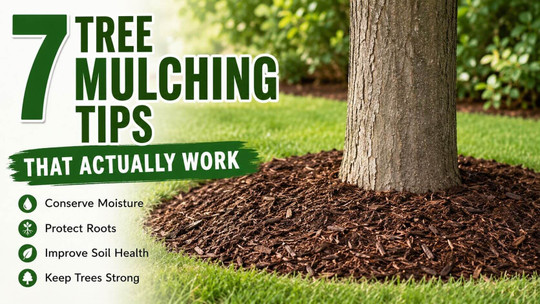
7 Tree Mulching Tips That Actually Work
Mulching is one of the easiest and most effective ways to keep your trees healthy, but doing it incorrectly can cause more harm than good. A properly mulched tree retains moisture, develops a stronger root system, suppresses weeds, and is better equipped to withstand heat, drought, and changing weather conditions. Whether you've just planted a young sapling or you're caring for mature landscape trees, these seven proven mulching tips will help your trees thrive.
1. Create a Wide Mulch Ring
Instead of placing mulch in a tiny circle around the trunk, spread it in a wide ring that extends toward the tree's drip line whenever possible. A wider mulch bed protects more of the root system and reduces competition from grass and weeds.
Best Practice:
- Make the mulch ring at least 3-6 feet wide for young trees.
- Larger trees benefit from even wider mulch rings.
2. Keep Mulch 2-4 Inches Deep
More mulch isn't always better. A layer that is too thick can prevent water and oxygen from reaching the roots.
Aim for:
- 2 inches in heavy clay soils.
- 3-4 inches in sandy or well-drained soils.
If old mulch has built up over the years, remove excess material before adding fresh mulch.
3. Never Build a Mulch Volcano
One of the most common landscaping mistakes is piling mulch directly against the trunk. This "mulch volcano" traps moisture against the bark, encouraging decay, fungal diseases, insects, and rodents.
Instead:
- Leave a 3-6 inch gap around the trunk.
- Allow the root flare to remain visible above the mulch.
Your tree will stay healthier and be less susceptible to disease.
4. Choose Natural Organic Mulch
Organic mulches gradually decompose and improve soil structure by adding nutrients and beneficial microorganisms.
Excellent mulch choices include:
- Hardwood bark
- Shredded bark
- Wood chips
- Pine bark
- Pine straw
- Leaf mulch
Avoid using fresh wood chips from diseased trees or heavily dyed mulches when possible.
5. Water Before and After Mulching
Mulch helps conserve moisture—but it doesn't replace watering.
For best results:
- Water the soil thoroughly before applying mulch.
- Water again after spreading the mulch to help it settle into place.
This is especially important for newly planted trees during their first growing season.
6. Refresh Mulch Once Each Year
Organic mulch naturally breaks down over time. Instead of adding thick new layers every year, lightly refresh the mulch as needed.
Before adding more mulch:
- Rake away compacted material.
- Remove excess buildup.
- Restore the layer back to about 2-4 inches.
A yearly refresh keeps the mulch looking neat while maintaining its benefits.
7. Keep Grass Away From the Trunk
Grass competes directly with young trees for water, nutrients, and oxygen. It can also increase the risk of damage from lawn mowers and string trimmers.
A properly mulched ring:
- Eliminates grass competition.
- Reduces mowing around the tree.
- Protects the trunk from accidental injuries.
- Encourages healthier root development.
Trees surrounded by mulch instead of turf often establish faster and experience less stress during hot summer months.
Final Thoughts
Proper mulching is one of the simplest investments you can make in the long-term health of your trees. By spreading mulch in a wide ring, maintaining the correct depth, keeping it away from the trunk, and refreshing it annually, you'll improve soil health, conserve moisture, protect roots, and promote stronger growth for years to come.
A few minutes spent mulching correctly today can prevent costly tree problems in the future and help your landscape remain healthy, attractive, and resilient.