
Posted by TJ Hopkins on Jun 18th 2026
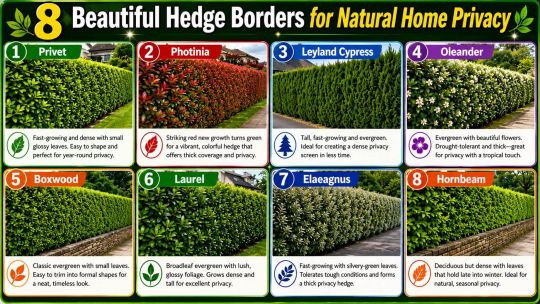
8 Beautiful Hedge Borders for Natural Home Privacy
If you're looking for a natural way to create privacy in your yard, hedge borders are one of the most attractive and effective solutions available. Unlike fences, living hedges provide year-round beauty, help reduce noise, attract wildlife, and add value to your landscape. Whether you have a large property or a small suburban yard, the right hedge can create a peaceful, secluded outdoor space.
Here are eight beautiful hedge border options that can transform your property into a private retreat.
1. Privet
Privet is one of the most popular hedge plants for privacy screening. It grows quickly, responds well to pruning, and forms a dense wall of foliage that blocks unwanted views.
Why Choose Privet?
- Fast-growing
- Easy to shape and maintain
- Creates a formal, elegant appearance
- Excellent for defining property lines
Best For: Homeowners who want a classic privacy hedge that can be trimmed into neat, uniform shapes.
2. Photinia
Photinia is known for its vibrant red new growth, which gradually matures into glossy green leaves. This colorful hedge provides privacy while adding striking visual appeal to the landscape.
Why Choose Photinia?
- Brilliant red spring growth
- Dense evergreen foliage
- Attractive year-round color
- Great for decorative privacy screens
Best For: Landscapes where privacy and ornamental beauty are equally important.
3. Leyland Cypress
Leyland Cypress is one of the fastest-growing privacy trees available. It quickly forms a tall, thick screen that blocks neighbors, roads, and wind.
Why Choose Leyland Cypress?
- Rapid growth rate
- Evergreen foliage
- Creates a tall living wall
- Excellent windbreak
Best For: Large properties needing quick privacy and year-round screening.
4. Oleander
Oleander combines beautiful flowers with dense evergreen foliage, making it a favorite in warm climates. Its colorful blooms create a stunning hedge that also serves as a privacy barrier.
Why Choose Oleander?
- Produces abundant flowers
- Evergreen in warm regions
- Drought tolerant once established
- Creates a lush tropical appearance
Best For: Southern and coastal landscapes with mild winters.
Note: All parts of oleander are toxic if ingested, so plant with care around children and pets.
5. Boxwood
Boxwood has long been a staple of formal gardens and elegant landscapes. Its dense growth and small leaves make it ideal for shaping into tidy hedges.
Why Choose Boxwood?
- Classic, timeless appearance
- Easy to prune into formal shapes
- Dense foliage for privacy
- Long-lived and dependable
Best For: Traditional gardens and homeowners seeking a refined landscape design.
6. Laurel
Laurel hedges are prized for their broad, glossy leaves and vigorous growth. They create a thick barrier that offers excellent privacy and noise reduction.
Why Choose Laurel?
- Large evergreen leaves
- Dense growth habit
- Tolerates a range of soil conditions
- Excellent screening ability
Best For: Properties located near roads or neighboring homes.
7. Elaeagnus
Elaeagnus offers unique silver-green foliage that stands out from traditional hedges. Its fast growth and thick branching structure make it a reliable privacy choice.
Why Choose Elaeagnus?
- Attractive silver-toned leaves
- Drought tolerant
- Fast-growing
- Dense screening capability
Best For: Low-maintenance landscapes in sunny locations.
8. Hornbeam
Hornbeam is a deciduous hedge that provides privacy through much of the year. Its attractive foliage turns golden-bronze in fall and often remains attached through winter.
Why Choose Hornbeam?
- Beautiful seasonal color
- Dense branching structure
- Tolerates heavy pruning
- Elegant natural appearance
Best For: Homeowners seeking a more natural, four-season landscape.
Tips for Creating a Privacy Hedge
Before planting your hedge border, consider these important factors:
Choose the Right Plant for Your Climate
Not all hedge plants thrive everywhere. Check your USDA hardiness zone and select species suited to your region.
Plan for Mature Size
Allow enough space for plants to reach their full width and height without overcrowding.
Maintain Proper Spacing
Correct spacing encourages healthy growth while allowing plants to fill in and create a dense screen.
Water During Establishment
Most hedge plants need regular watering during their first year while roots develop.
Prune Regularly
Routine trimming promotes fuller growth and keeps your hedge looking neat and attractive.
Final Thoughts
A well-designed hedge border can provide privacy, beauty, and environmental benefits for decades. Whether you prefer the formal elegance of Boxwood, the colorful appeal of Photinia, or the towering screen of Leyland Cypress, there's a hedge option for every landscape style and climate.
By choosing the right plants and providing proper care, you can create a natural living fence that transforms your yard into a peaceful, secluded oasis.