
Posted by TJ Hopkins on Jul 29th 2026
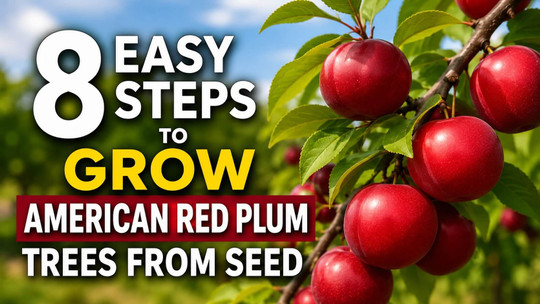
8 Easy Steps to Grow American Red Plum Trees from Seed
American red plum trees (Prunus americana) are beautiful native fruit trees that produce fragrant spring blossoms, delicious red fruit, and valuable wildlife habitat. While growing a plum tree from seed requires patience, it's a rewarding project that can produce a hardy tree perfectly suited to your landscape. Follow these eight simple steps to get started.
Step 1: Collect Ripe Seeds
Start with fully ripe American red plums harvested in late summer or early fall. Choose healthy fruit from vigorous trees for the best chance of success.
- Remove the fruit pulp completely.
- Wash the pits thoroughly.
- Allow the pits to air dry for a day or two.
Step 2: Crack the Pit (Optional)
The actual seed is inside the hard outer shell.
- Carefully crack the pit with a nutcracker or vise.
- Remove the seed without damaging it.
- If you're worried about damaging the seed, you can plant the entire pit instead, although germination may take longer.
Step 3: Cold Stratify the Seeds
American red plum seeds require a cold period to break dormancy.
- Place seeds in slightly moist peat moss, vermiculite, or sand.
- Seal them in a plastic bag or container.
- Refrigerate at 34–40°F (1–4°C) for 90–120 days.
Check periodically to ensure the growing medium stays slightly moist but never soggy.
Step 4: Prepare Containers
After stratification, prepare containers for planting.
Choose pots that have drainage holes and fill them with a well-draining seed-starting mix.
A good mix includes:
- Potting soil
- Perlite
- Compost (optional)
Step 5: Plant the Seeds
Plant each seed:
- About 1 inch deep
- Water thoroughly after planting.
- Place the pots in a warm location between 65–75°F.
Using a humidity dome can help maintain consistent moisture during germination.
Step 6: Provide Plenty of Light
Once seedlings emerge:
- Place them in bright sunlight.
- Provide 6–8 hours of direct sunlight each day.
- If growing indoors, use grow lights for 12–16 hours daily.
Keep the soil evenly moist but avoid overwatering.
Step 7: Harden Off the Seedlings
Before moving young trees outdoors permanently, gradually introduce them to outdoor conditions.
Over 7–10 days:
- Start with a few hours outside in a sheltered location.
- Increase outdoor exposure each day.
- Protect seedlings from strong wind and late frosts.
This process helps prevent transplant shock.
Step 8: Transplant to Their Permanent Location
Choose a planting site with:
- Full sun
- Well-drained soil
- Plenty of room for growth
Space trees approximately 15–20 feet apart.
Water regularly during the first growing season until the roots become established. Applying mulch around the base helps conserve moisture and suppress weeds.
Growing Tips
- American red plum trees grow best in USDA Hardiness Zones 3–8.
- Most trees begin producing fruit in 3–6 years when grown from seed.
- Prune lightly during late winter to maintain shape.
- Fertilize lightly in early spring after the first year.
- Protect young trees from deer and rabbits if they are common in your area.
Common Problems
Watch for these common issues:
- Poor germination from insufficient cold stratification.
- Root rot caused by overwatering.
- Japanese beetles feeding on leaves.
- Plum curculio damaging developing fruit.
- Black knot disease on branches.
Good sanitation and proper pruning help prevent many disease problems.
Why Grow American Red Plum?
Growing American red plum trees from seed offers several benefits:
- Beautiful white spring blossoms
- Edible fruit for jams, jelly, and fresh eating
- Excellent wildlife value for birds and pollinators
- Attractive fall foliage
- Native tree that supports local ecosystems
Final Thoughts
Growing American red plum trees from seed is an enjoyable long-term gardening project. Although it takes a few years before you'll harvest fruit, the reward is a hardy native tree that provides beauty, shade, blossoms, and delicious plums for decades. With proper cold stratification, consistent moisture, and plenty of sunlight, you'll be well on your way to growing your own healthy American red plum tree from seed.