
Posted by TJ Hopkins on May 27th 2026
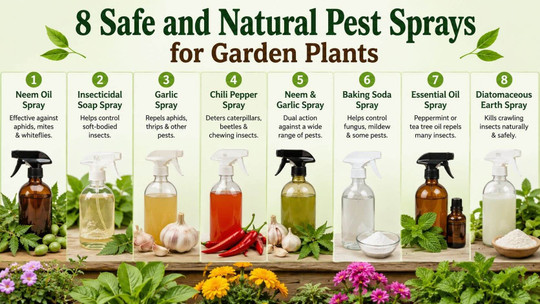
8 Safe and Natural Pest Sprays for Garden Plants
Keeping garden pests under control doesn’t always require harsh chemicals. Many gardeners are turning to safe, natural pest sprays that help protect vegetables, herbs, flowers, and fruit plants without harming beneficial insects or the environment. These homemade and natural solutions can help reduce aphids, mites, beetles, caterpillars, mildew, and other common garden problems while keeping your garden healthier and more eco-friendly.
Here are 8 safe and natural pest sprays you can use in your garden today.
1. Neem Oil Spray
Neem oil is one of the most popular natural pest control solutions for home gardens. Made from the seeds of the neem tree, it works by disrupting insect feeding and reproduction. Neem oil is highly effective against aphids, whiteflies, spider mites, mealybugs, and other soft-bodied pests.
To make a simple neem oil spray, mix:
- 2 teaspoons neem oil
- 1 teaspoon mild liquid soap
- 1 quart of water
Spray plants in the early morning or evening to avoid leaf burn.
2. Insecticidal Soap Spray
Insecticidal soap sprays are excellent for controlling soft-bodied insects like aphids, scale insects, and whiteflies. The soap damages the outer layer of pests, causing dehydration.
You can create a homemade version using:
- 1 tablespoon mild dish soap
- 1 quart water
Always test on a few leaves before spraying the entire plant, especially on delicate flowers or herbs.
3. Garlic Spray
Garlic naturally repels many garden pests thanks to its strong sulfur compounds and odor. Garlic spray can help deter aphids, thrips, beetles, and even some fungal issues.
To make garlic spray:
- Blend 2 garlic bulbs with water
- Strain the mixture
- Add to a spray bottle with additional water
Apply every few days for best results.
4. Chili Pepper Spray
Hot peppers contain capsaicin, which irritates many chewing insects and garden pests. Chili pepper spray is commonly used to deter caterpillars, beetles, rabbits, and other unwanted visitors.
Basic recipe:
- 2 tablespoons chili powder or fresh hot peppers
- 1 quart water
- A few drops of mild soap
Avoid spraying during windy conditions and keep away from eyes and skin.
5. Neem and Garlic Spray
Combining neem oil with garlic creates a powerful dual-action natural spray. This mixture helps repel insects while also interrupting their life cycle.
This spray works especially well for:
- Aphids
- Whiteflies
- Leafhoppers
- Spider mites
Use once every 7–10 days during heavy pest activity.
6. Baking Soda Spray
Baking soda spray is commonly used to help manage fungal diseases like powdery mildew, black spot, and some leaf diseases. It may also discourage certain pests from feeding on plants.
Simple baking soda spray:
- 1 tablespoon baking soda
- 1 quart water
- 1 teaspoon mild soap
Spray lightly and avoid excessive applications to prevent leaf stress.
7. Essential Oil Spray
Certain essential oils naturally repel insects and can freshen your garden at the same time. Peppermint oil, tea tree oil, rosemary oil, and eucalyptus oil are popular choices.
Mix:
- 10–15 drops essential oil
- 1 quart water
- A few drops liquid soap
This spray may help repel ants, mosquitoes, aphids, and flies.
8. Diatomaceous Earth Spray
Diatomaceous earth is made from fossilized algae and works by damaging the outer layer of crawling insects. While commonly applied as a powder, some gardeners use it in spray form for easier application.
It helps control:
- Ants
- Flea beetles
- Slugs
- Earwigs
Apply after rain or watering for continued effectiveness.
Tips for Using Natural Pest Sprays
- Spray early morning or late evening to prevent leaf damage.
- Reapply after rain for continued protection.
- Always test sprays on a small portion of the plant first.
- Avoid spraying beneficial insects like bees directly.
- Store homemade sprays in cool, dark places and use fresh mixtures when possible.
Final Thoughts
Natural pest sprays offer gardeners a safer and more environmentally friendly way to protect plants from insects and disease. Whether you grow tomatoes, cucumbers, peppers, herbs, flowers, or fruit trees, these DIY pest sprays can help keep your garden healthy without relying on harsh chemicals.
Using a combination of prevention, healthy soil, and natural sprays can create a thriving garden ecosystem while reducing pest problems throughout the growing season.