
Posted by TJ Hopkins on Jul 20th 2026
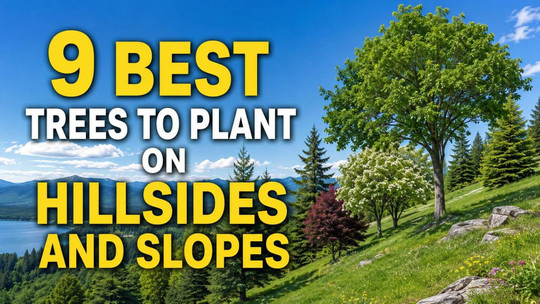
9 Best Trees to Plant on Hillsides and Slopes
Planting trees on hillsides and slopes does more than beautify your landscape—it helps prevent soil erosion, stabilizes the ground, improves water absorption, and creates valuable wildlife habitat. The best trees for sloped areas have strong, extensive root systems that anchor the soil while thriving in challenging growing conditions.
Here are nine excellent trees to consider for planting on hillsides and slopes.
1. Red Maple (Acer rubrum)
Red Maple is one of the most adaptable native trees in North America. Its widespread root system helps stabilize soil, while its brilliant red fall foliage adds stunning seasonal color.
Why it's great for slopes:
- Strong fibrous roots reduce erosion.
- Adapts to moist and moderately dry soils.
- Fast-growing shade tree.
- Excellent fall color.
USDA Zones: 3–9
2. River Birch (Betula nigra)
River Birch naturally grows along stream banks, making it an excellent choice for erosion control on hillsides and sloping landscapes.
Benefits:
- Extensive root system.
- Attractive peeling bark.
- Fast-growing.
- Tolerates wet soils and periodic drought.
USDA Zones: 4–9
3. White Oak (Quercus alba)
White Oak develops one of the strongest root systems of any native hardwood. Although it grows slowly, it provides exceptional long-term hillside stability.
Benefits:
- Deep anchoring roots.
- Long-lived tree.
- Excellent wildlife value.
- Highly drought tolerant once established.
USDA Zones: 3–9
4. Eastern Red Cedar (Juniperus virginiana)
This rugged evergreen thrives where many trees struggle. It tolerates poor, rocky soils and steep slopes with ease.
Why plant it:
- Dense evergreen cover.
- Excellent erosion control.
- Very drought tolerant.
- Provides food and shelter for birds.
USDA Zones: 2–9
5. Black Locust (Robinia pseudoacacia)
Black Locust is famous for reclaiming disturbed land thanks to its rapid growth and nitrogen-fixing ability.
Advantages:
- Extremely fast growing.
- Excellent soil stabilization.
- Improves poor soils.
- Highly drought resistant.
USDA Zones: 4–8
6. Sugar Maple (Acer saccharum)
Sugar Maple develops an extensive root system that performs well on moderate slopes while producing spectacular autumn foliage.
Highlights:
- Beautiful orange and red fall colors.
- Excellent shade tree.
- Strong soil-holding roots.
- Long lifespan.
USDA Zones: 3–8
7. American Sycamore (Platanus occidentalis)
One of the largest native hardwoods, American Sycamore thrives near waterways and on slopes where erosion is a concern.
Features:
- Rapid growth.
- Massive root system.
- Distinctive mottled bark.
- Excellent for large properties.
USDA Zones: 4–9
8. Serviceberry (Amelanchier species)
Serviceberry is a beautiful small tree that performs exceptionally well on hillsides while offering year-round ornamental interest.
Benefits:
- Dense fibrous roots.
- Spring flowers.
- Edible berries.
- Outstanding fall color.
- Excellent for pollinators.
USDA Zones: 4–9
9. Bald Cypress (Taxodium distichum)
Although commonly associated with wetlands, Bald Cypress adapts surprisingly well to upland sites after establishment and develops an impressive root system.
Advantages:
- Long-lived.
- Strong erosion control.
- Pest resistant.
- Attractive soft foliage.
USDA Zones: 4–10
Tips for Planting Trees on Hillsides
Planting on a slope requires a few extra considerations to help trees establish successfully.
- Plant across the slope rather than directly up and down.
- Dig a wide planting hole to encourage lateral root growth.
- Add mulch around the base to conserve moisture and reduce erosion.
- Water deeply during the first two growing seasons.
- Consider using native groundcovers or grasses between trees for additional soil stabilization.
- Avoid excessive soil disturbance, which can increase erosion.
Which Tree Is Best?
The ideal choice depends on your property and growing conditions:
- Fast erosion control: Black Locust, River Birch
- Evergreen coverage: Eastern Red Cedar
- Outstanding fall color: Red Maple, Sugar Maple
- Wildlife habitat: White Oak, Serviceberry
- Large landscapes: American Sycamore, Bald Cypress
Selecting trees that match your climate, soil type, and available space will provide decades of beauty while protecting your hillside from erosion.
Conclusion
Hillsides and sloped landscapes can become some of the most attractive areas of your property with the right tree selection. Trees with strong root systems not only prevent erosion but also improve soil health, support wildlife, and create beautiful, natural scenery. Whether you prefer colorful maples, rugged evergreens, or majestic oaks, these nine trees are excellent choices for creating a stable and thriving hillside landscape.