
Posted by TJ Hopkins on Jul 8th 2026
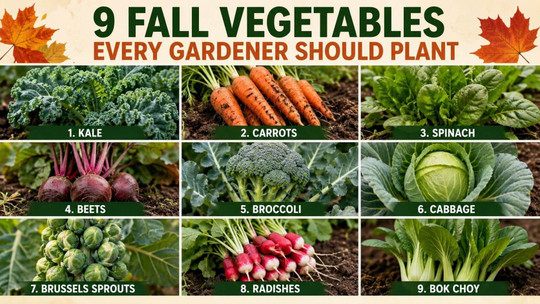
9 Fall Vegetables Every Gardener Should Plant
As summer fades and temperatures begin to cool, fall becomes one of the best times to grow fresh, flavorful vegetables. Many cool-season crops actually thrive in autumn, producing sweeter, more tender harvests after a light frost. Whether you're planting a second garden or extending your growing season, these nine vegetables are excellent choices for a productive fall harvest.
Why Plant a Fall Garden?
Fall gardening offers several advantages over summer gardening:
- Cooler temperatures reduce heat stress on plants.
- Fewer insect pests and diseases are active.
- Autumn rainfall often reduces watering needs.
- Many vegetables become sweeter after exposure to frost.
- You can continue harvesting fresh produce well into late fall and even winter in some climates.
Here are nine vegetables every gardener should consider planting this fall.
1. Kale
Kale is one of the toughest cold-weather vegetables available. It grows quickly and continues producing leaves even after several frosts.
Why you'll love it:
- Extremely cold hardy
- Sweeter after frost
- Continuous harvest for months
- Packed with vitamins A, C, and K
Growing Tips:
- Full sun to partial shade
- Rich, well-drained soil
- Harvest outer leaves first to keep plants producing.
2. Swiss Chard
Swiss chard adds brilliant color to the garden while producing nutritious leaves from late summer through fall.
Why it's great:
- Fast growing
- Tolerates light frost
- Beautiful ornamental stems
- Easy for beginners
Growing Tips:
- Plant in full sun.
- Keep soil evenly moist.
- Harvest individual leaves as needed.
3. Carrots
Cool autumn temperatures produce some of the sweetest carrots you'll ever taste.
Benefits:
- Frost improves flavor
- Excellent storage crop
- Great for raised beds
- Easy to succession plant
Growing Tips:
- Loose, rock-free soil is essential.
- Keep soil consistently moist until germination.
- Thin seedlings for larger roots.
4. Lettuce
Lettuce thrives during cool weather and matures quickly, making it perfect for fall gardens.
Why plant it:
- Quick harvest
- Multiple varieties available
- Less likely to bolt
- Ideal for continuous planting
Growing Tips:
- Partial afternoon shade is beneficial in warmer climates.
- Sow every two weeks for ongoing harvests.
5. Broccoli
Broccoli often performs better in fall than spring because cool temperatures encourage larger, tighter heads.
Advantages:
- Better flavor
- Larger harvests
- Produces side shoots after the main head is harvested
Growing Tips:
- Fertile soil rich in compost.
- Keep plants watered consistently.
6. Cauliflower
Cauliflower appreciates cool weather and develops dense, flavorful heads during autumn.
Why grow it:
- Excellent fall crop
- Mild, delicious flavor
- Great for roasting and soups
Growing Tips:
- Needs consistent moisture.
- Avoid temperature extremes during head formation.
7. Radishes
If you're looking for a fast harvest, radishes are hard to beat.
Benefits:
- Ready in as little as 25–35 days
- Great for beginners
- Excellent between slower-growing crops
Growing Tips:
- Plant every 10–14 days.
- Harvest promptly before roots become woody.
8. Turnips
Turnips produce both delicious roots and nutritious leafy greens.
Reasons to plant:
- Fast growing
- Cold hardy
- Excellent storage crop
- Frost enhances sweetness
Growing Tips:
- Sow directly into the garden.
- Harvest greens while roots continue growing.
9. Garlic
Although harvested the following summer, fall is the ideal time to plant garlic.
Why plant now:
- Larger bulbs next year
- Easy to grow
- Stores for months
- Few maintenance requirements
Growing Tips:
- Plant individual cloves 2 inches deep.
- Mulch heavily before winter.
- Harvest the following summer when leaves begin to brown.
Tips for a Successful Fall Garden
- Start planting 6–10 weeks before your area's first expected frost.
- Add compost before planting to improve soil fertility.
- Water consistently while plants become established.
- Apply mulch to conserve moisture and protect roots.
- Use row covers if an early hard freeze is expected.
Final Thoughts
Fall gardening is one of the easiest and most rewarding ways to extend your growing season. Crops like kale, carrots, broccoli, lettuce, garlic, and radishes thrive in cooler weather and often develop even better flavor than they do in spring or summer. By planting these nine vegetables, you'll enjoy fresh, homegrown harvests long after many summer gardens have finished producing.