
Posted by TJ Hopkins on Aug 13th 2026
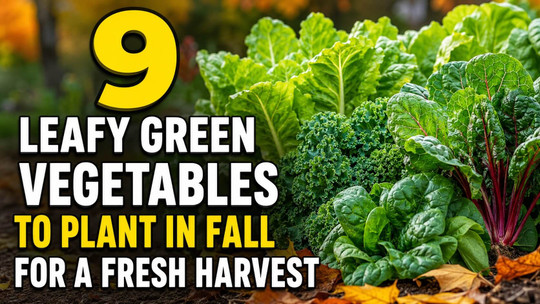
9 Leafy Green Vegetables to Plant in Fall for a Fresh Harvest
Fall is one of the best seasons for growing leafy green vegetables. As summer temperatures fade and cooler weather arrives, many greens thrive, producing tender leaves with excellent flavor. Some even become sweeter after exposure to light frost.
Whether you have a large vegetable garden, a few raised beds, or containers on a patio, fall greens can provide weeks or even months of fresh harvests. Many varieties grow quickly, tolerate cool temperatures, and can be planted again for successive harvests.
Here are nine leafy green vegetables worth planting for a fresh and productive fall garden.
1. Spinach
Spinach is one of the classic vegetables for fall planting. It prefers cool temperatures and often produces better-quality leaves in fall than during warm spring weather.
Plant spinach seeds directly in the garden approximately 6 to 8 weeks before your area's first expected hard freeze. Seeds generally germinate best when the soil is cool.
Spinach grows well in full sun during cooler weather, although it can tolerate partial shade. Keep the soil consistently moist to encourage tender leaves.
Baby spinach can be harvested when the leaves are only a few inches long, or you can allow plants to mature before harvesting. In many climates, established spinach plants can survive surprisingly cold temperatures with protection from row covers or a cold frame.
2. Kale
Kale is an excellent choice for gardeners who want greens that continue producing as temperatures fall. This hardy vegetable tolerates frost, and its flavor often becomes sweeter after exposure to cold weather.
Plant kale in fertile, well-drained soil where it receives at least six hours of sunlight daily. Seeds can be started directly in the garden or seedlings can be transplanted.
Instead of harvesting the entire plant, remove the larger outer leaves and leave the center intact. The plant will continue producing new leaves for future harvests.
Popular varieties include curly kale, Lacinato or dinosaur kale, and Red Russian kale.
3. Swiss Chard
Swiss chard provides both edible leaves and colorful stems, making it an attractive addition to the fall vegetable garden.
Although Swiss chard isn't quite as cold-hardy as kale or spinach, established plants tolerate cool fall conditions and light frost.
Plant seeds in rich, well-drained soil and keep the planting area consistently moist. Give plants enough room to develop their large leaves.
Harvest the outer leaves as needed while allowing the smaller center leaves to continue growing. Young leaves are tender enough for salads, while larger leaves are excellent sautéed, steamed, or added to soups.
4. Arugula
If you're looking for a leafy vegetable that grows quickly, arugula deserves a place in your fall garden.
Arugula prefers cooler temperatures and develops its characteristic peppery flavor without the stress caused by intense summer heat. Depending on the variety and growing conditions, baby leaves can often be ready for harvesting within several weeks.
Sow seeds directly into prepared garden soil and cover them lightly. Because arugula grows quickly, consider planting a small amount every couple of weeks for a continuous supply.
Harvest young leaves for salads, sandwiches, pizza toppings, and other dishes.
5. Lettuce
Lettuce is another cool-season favorite that performs particularly well in fall. Gardeners can choose from numerous types, including leaf lettuce, romaine, butterhead, and crisphead varieties.
Leaf lettuce is particularly useful for fall gardens because it grows quickly and can be harvested using the cut-and-come-again method.
Plant lettuce in fertile soil and keep it consistently moist. During early fall, when daytime temperatures may still be warm, providing some afternoon shade can help young plants become established.
Once cooler temperatures arrive, lettuce generally performs well in full sun.
6. Mustard Greens
Mustard greens are fast-growing vegetables that thrive in cool weather. Their leaves have a distinctive spicy flavor that can range from mildly peppery to quite strong depending on the variety.
Seeds can be planted directly in the garden. Keep the soil evenly moist while seedlings become established.
Young mustard leaves are excellent additions to salads, while mature leaves can be sautéed, steamed, or incorporated into soups and other cooked dishes.
Like several other cool-season greens, mustard greens may develop a milder and slightly sweeter flavor following light frost.
7. Collard Greens
Collard greens are especially valuable for gardeners who want a productive leafy vegetable that tolerates chilly fall conditions.
Plants produce large, sturdy leaves that can be harvested individually. Start with the lower outer leaves while leaving the center of the plant untouched so new growth can continue.
Collards prefer fertile soil, consistent moisture, and plenty of sunlight. Providing adequate spacing between plants improves air circulation and gives their large leaves room to develop.
Cool weather can improve the flavor of collard greens, making them an excellent vegetable for late-season harvesting.
8. Bok Choy
Bok choy, sometimes called pak choi, is a cool-season Asian green valued for both its tender leaves and crisp stalks.
Fall is an excellent time to grow bok choy because hot temperatures can cause plants to bolt prematurely. Cooler conditions allow plants to develop more steadily.
Plant seeds directly in the garden or transplant young seedlings. Keep the soil consistently moist to encourage rapid, tender growth.
Baby bok choy can be harvested relatively early, while larger varieties can be allowed to form mature heads. The leaves and stalks are both edible and work especially well in stir-fries, soups, and steamed dishes.
9. Mizuna
Mizuna is a fast-growing Japanese mustard green with attractive, deeply cut leaves and a pleasantly mild peppery flavor.
Its ability to tolerate cool conditions makes it an excellent addition to the fall vegetable garden. Seeds germinate quickly under favorable conditions, and young leaves can be harvested for baby greens.
Mizuna is particularly well suited to cut-and-come-again harvesting. Cut the outer leaves while leaving the growing center intact, allowing the plant to continue producing.
The tender leaves are excellent in salads but can also be added to soups, stir-fries, and other cooked dishes.
Tips for Growing Leafy Greens in Fall
Successful fall gardening requires slightly different timing than spring gardening. Although the weather becomes cooler as the season progresses, seeds may initially be planted while the soil is still warm.
Check the average first frost date for your area and compare it with the days to maturity listed for the variety you're planting. Give plants enough time to become established before severe cold weather arrives.
Keep these tips in mind:
- Keep newly planted seeds consistently moist until they germinate.
- Add compost or other organic matter before planting to improve the soil.
- Use mulch around established plants to conserve moisture and moderate soil temperatures.
- Plant quick-growing varieties when your fall growing season is short.
- Harvest outer leaves regularly to encourage continued production.
- Use frost cloth, row covers, cold frames, or low tunnels to extend the harvest when temperatures begin dropping.
- Make succession plantings every one to three weeks for a longer supply of fresh greens.
Growing Fall Greens in Containers
You don't need a traditional vegetable garden to enjoy fresh fall greens. Spinach, lettuce, arugula, mizuna, kale, and many other leafy vegetables grow successfully in containers.
Choose pots with adequate drainage holes and fill them with quality potting mix. Containers should receive plenty of sunlight, particularly as fall days become shorter.
Container soil can dry faster than garden soil, so check moisture regularly. At the same time, avoid allowing pots to remain waterlogged.
One advantage of container gardening in fall is mobility. Pots can sometimes be moved to a sheltered location when unusually cold weather is expected.
Protecting Leafy Greens From Frost
Not every fall frost means the vegetable gardening season has ended. Many leafy greens tolerate light frost, while especially hardy crops such as kale and spinach can withstand considerably colder conditions once established.
Row covers are one of the simplest ways to provide additional protection. They create a slightly warmer environment around plants while still allowing light and moisture to reach them.
Cold frames and low tunnels provide even greater protection and can extend the growing season well beyond the first frost in many regions.
Enjoy Fresh Greens Well Into Fall
Planting leafy green vegetables is an easy way to keep your garden productive after summer crops begin fading. Spinach, kale, Swiss chard, arugula, lettuce, mustard greens, collards, bok choy, and mizuna all benefit from the cooler conditions that fall provides.
By choosing cold-tolerant varieties, planting at the right time, and protecting plants when necessary, you can enjoy crisp, flavorful greens long after the traditional summer gardening season ends.
Better yet, you don't have to harvest everything at once. Plant several varieties and make small succession plantings throughout the season, and your fall garden can provide a steady supply of fresh leafy vegetables for salads, soups, stir-fries, sandwiches, and home-cooked meals.