
Posted by TJ Hopkins on Jul 25th 2026
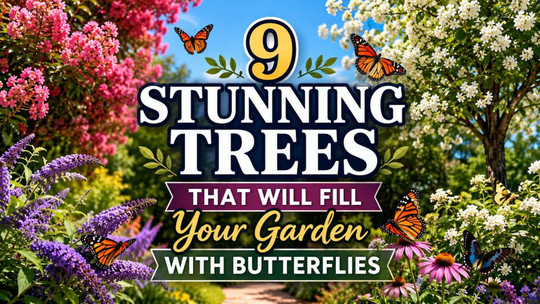
9 Stunning Trees That Will Fill Your Garden With Butterflies
A butterfly-filled garden is one of the most rewarding landscapes you can create. While colorful flowers often get the spotlight, trees are just as important for attracting butterflies. They provide nectar, shelter, shade, resting spots, and in many cases, serve as host plants where butterflies lay their eggs and caterpillars develop.
Whether you're planting a new garden or upgrading your existing landscape, these beautiful trees can help turn your yard into a haven for butterflies and other beneficial pollinators.
1. Eastern Redbud (Cercis canadensis)
The Eastern Redbud is one of the first trees to bloom in spring, covering its branches with vibrant pink-purple flowers before the leaves emerge.
Why butterflies love it:
- Early-season nectar source
- Supports native pollinators
- Perfect for woodland edges and cottage gardens
Growing Conditions:
- USDA Zones: 4–9
- Sun: Full sun to partial shade
- Height: 20–30 feet
2. Flowering Dogwood (Cornus florida)
Flowering Dogwood is famous for its elegant white or pink spring blossoms and brilliant red fall foliage.
Why butterflies love it:
- Rich nectar supply
- Provides shelter among dense branches
- Produces berries that attract songbirds
Growing Conditions:
- USDA Zones: 5–9
- Sun: Partial shade to full sun
- Height: 20–30 feet
3. Serviceberry (Amelanchier canadensis)
Serviceberry offers stunning white flowers in early spring followed by edible berries that benefit wildlife.
Why butterflies love it:
- Abundant spring nectar
- Native species that supports many insects
- Excellent companion to butterfly gardens
Growing Conditions:
- USDA Zones: 4–8
- Sun: Full sun to partial shade
- Height: 15–30 feet
4. Crape Myrtle (Lagerstroemia indica)
Known for its spectacular summer blooms, Crape Myrtle flowers when many other trees have finished blooming.
Why butterflies love it:
- Long-lasting nectar source
- Continuous blooms for months
- Excellent for warm climates
Growing Conditions:
- USDA Zones: 6–10
- Sun: Full sun
- Height: 10–30 feet depending on variety
5. Chaste Tree (Vitex agnus-castus)
The Chaste Tree produces long spikes of lavender-blue flowers throughout summer, making it one of the best butterfly magnets available.
Why butterflies love it:
- Continuous nectar production
- Highly fragrant blossoms
- Also attracts bees and hummingbirds
Growing Conditions:
- USDA Zones: 6–9
- Sun: Full sun
- Height: 10–20 feet
6. Tulip Tree (Liriodendron tulipifera)
This towering native tree features unique tulip-shaped flowers packed with nectar.
Why butterflies love it:
- Large nectar-rich blooms
- Supports numerous native insects
- Excellent shade tree
Growing Conditions:
- USDA Zones: 4–9
- Sun: Full sun
- Height: 70–100 feet
7. Black Cherry (Prunus serotina)
Black Cherry is one of the most valuable native trees for butterfly conservation.
Why butterflies love it:
- Host plant for dozens of butterfly and moth species
- Spring flower clusters attract pollinators
- Provides food for birds as well
Growing Conditions:
- USDA Zones: 3–9
- Sun: Full sun
- Height: 50–80 feet
8. Sweetbay Magnolia (Magnolia virginiana)
Sweetbay Magnolia features creamy white, lemon-scented flowers that bloom throughout late spring and summer.
Why butterflies love it:
- Fragrant nectar-filled blooms
- Long flowering season
- Thrives in moist landscapes
Growing Conditions:
- USDA Zones: 5–10
- Sun: Full sun to partial shade
- Height: 20–50 feet
9. Hawthorn (Crataegus species)
Hawthorn trees explode with clusters of white flowers each spring, creating an irresistible destination for butterflies.
Why butterflies love it:
- Excellent nectar source
- Dense branching provides shelter
- Bright berries feed birds through fall and winter
Growing Conditions:
- USDA Zones: 4–8
- Sun: Full sun
- Height: 15–30 feet
Tips for Creating a Butterfly-Friendly Garden
Planting butterfly-friendly trees is only the beginning. To maximize butterfly activity in your landscape:
- Choose a variety of trees that bloom from early spring through late summer.
- Add nectar-rich flowers such as coneflowers, bee balm, black-eyed Susans, and butterfly bush.
- Include native plants whenever possible to support local butterfly species.
- Avoid using pesticides that can harm butterflies, caterpillars, and other beneficial insects.
- Provide shallow water sources with stones where butterflies can safely land and drink.
- Leave a few sheltered areas with shrubs or trees for butterflies to rest and escape wind.
Final Thoughts
A garden filled with butterflies brings beauty, movement, and life throughout the growing season. By choosing trees that offer nectar, shelter, and habitat, you'll create an outdoor space that supports pollinators while adding year-round interest to your landscape. Whether you have room for a single ornamental tree or several larger native species, these stunning selections can help transform your yard into a thriving butterfly sanctuary.