
Posted by TJ Hopkins on Jul 11th 2026
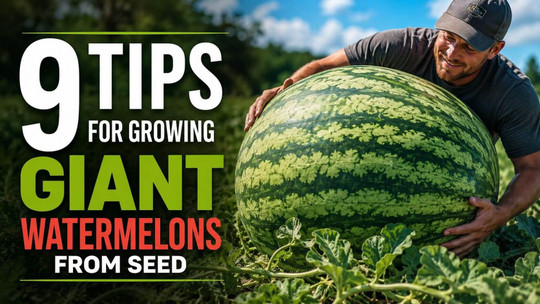
9 Tips for Growing Giant Watermelons From Seed
Growing giant watermelons from seed can be an exciting and rewarding gardening challenge. These oversized fruits require more than warm weather and regular watering—they need plenty of space, nutrient-rich soil, consistent care, and careful attention throughout the growing season.
Whether you want to grow an impressive watermelon for a local competition or simply enjoy seeing how large one can become in your garden, choosing the right variety and providing ideal growing conditions can make a significant difference.
Use these nine tips to help your watermelon plants develop strong vines and produce exceptionally large fruit.
1. Choose a Giant Watermelon Variety
Selecting the right variety is one of the most important steps when growing giant watermelons. Standard watermelon varieties may produce delicious fruit, but they often lack the genetics needed to reach exceptional sizes.
Look for varieties known for producing extremely large melons, such as:
- Carolina Cross
- Carolina Cross 180
- Giant Cobb Gem
- Black Diamond
- Congo
Carolina Cross is especially popular among competitive growers because individual fruits can reach several hundred pounds under ideal growing conditions.
Purchase fresh, high-quality seeds from a dependable source. Strong genetics provide the foundation, but proper growing conditions will ultimately determine how large the fruit becomes.
2. Start Seeds Indoors for a Head Start
Giant watermelons require a long period of warm weather to reach their full potential. Gardeners in areas with shorter summers can gain valuable growing time by starting seeds indoors approximately three to four weeks before the last expected spring frost.
Plant each seed about 1 inch deep in an individual biodegradable pot or a large seed-starting container. Watermelon roots are sensitive to disturbance, so avoid keeping seedlings in small containers for too long.
Maintain a soil temperature between 80°F and 90°F to encourage fast, reliable germination. A heated propagation mat can help provide consistent warmth.
Place seedlings beneath bright grow lights after germination. Keep the lights close enough to prevent the young plants from becoming tall, thin, or weak.
3. Prepare Deep, Nutrient-Rich Soil
Giant watermelon plants are heavy feeders and require fertile soil to support extensive vines and enormous fruit.
Choose a location with loose, well-draining soil. Before planting, work several inches of aged compost or well-rotted manure into the growing area. Avoid fresh manure because it may damage young roots and encourage excessive leafy growth.
Watermelons generally perform best in slightly acidic to neutral soil with a pH between approximately 6.0 and 7.0.
Preparing a large planting mound can improve drainage and help the soil warm more quickly during spring. Give each plant a generous growing area because healthy vines may spread 15 to 25 feet or farther.
4. Plant in Full Sun After the Soil Warms
Watermelons thrive in heat and sunlight. Select a location that receives at least eight hours of direct sunlight daily. More sunlight may be beneficial when adequate moisture is available.
Do not rush seedlings outdoors. Cold soil can slow growth, stress young plants, and increase the risk of root problems.
Wait until:
- The danger of frost has passed
- Nighttime temperatures remain consistently warm
- The soil temperature reaches at least 70°F
Harden seedlings gradually before transplanting. Place them outdoors for a few hours each day, slowly increasing their exposure to sunlight and outdoor conditions over approximately one week.
5. Give the Vines Plenty of Space
Giant watermelon plants produce long, vigorous vines that require considerably more room than many standard garden vegetables.
Allow at least 10 to 15 feet between plants when possible. Competitive growers may provide substantially more space so each plant has access to abundant sunlight, water, and soil nutrients.
Guide vines away from walkways and neighboring plants as they grow. Avoid stepping on or frequently moving established vines because damaged stems can reduce the plant’s ability to transport water and nutrients.
Some growers gently cover portions of the vines with loose soil. Watermelon vines may develop additional roots at their leaf nodes, potentially improving stability and nutrient uptake.
6. Water Deeply and Consistently
Large watermelons require a dependable moisture supply. Inconsistent watering may slow fruit growth, stress the plant, or contribute to cracking.
Water deeply near the base of the plant rather than lightly wetting only the soil surface. Deep watering encourages roots to grow farther into the soil, where moisture levels are generally more stable.
Aim to keep the soil evenly moist but never waterlogged. The exact watering frequency will depend on rainfall, temperature, soil type, and the size of the plant.
Apply organic mulch around the growing area to:
- Reduce moisture loss
- Limit weed growth
- Protect shallow roots
- Moderate soil temperature
Avoid repeatedly soaking the leaves because prolonged moisture on the foliage may encourage fungal diseases.
7. Feed Plants According to Their Growth Stage
Giant watermelon plants require substantial nutrition, but the type of fertilizer used should change as the plants develop.
During early vine growth, plants benefit from sufficient nitrogen to produce healthy leaves and strong stems. However, excessive nitrogen later in the season may encourage vigorous vine growth at the expense of flowers and fruit.
After flowering begins, use a fertilizer that supports blossom development and fruit growth. Adequate phosphorus and potassium become increasingly important as the watermelon enlarges.
Always follow fertilizer application instructions. Applying more fertilizer than recommended can damage roots, create nutrient imbalances, and reduce plant performance.
Healthy soil enriched with compost provides a strong foundation, while supplemental fertilizer can help maintain vigorous growth throughout the season.
8. Select One Promising Watermelon
Allowing a plant to develop numerous watermelons divides its energy among all the fruits. If maximum size is the goal, eventually select the strongest and fastest-growing watermelon.
Initially, allow several fruits to begin developing. Observe them for healthy shape, steady growth, and proper pollination.
Once a promising fruit is selected, gradually remove competing watermelons so the plant can direct more energy toward the chosen melon.
Many giant-watermelon growers maintain only one primary fruit per plant. This allows the extensive root system and vine network to support a single watermelon rather than dividing resources among several fruits.
Avoid removing every extra fruit immediately. Waiting until the selected watermelon is growing steadily reduces the risk of losing the entire crop if the first fruit stops developing.
9. Protect and Support the Growing Fruit
As the watermelon becomes larger, protect it from direct contact with wet soil. Place a layer of clean sand, straw, cardboard, a wooden board, or another dry supporting material beneath the fruit.
The support should be large and sturdy enough to accommodate continued growth. Avoid materials that hold excessive moisture beneath the melon.
Provide light shade during periods of extreme heat if the fruit is exposed to intense afternoon sunlight. A breathable shade cloth positioned above the watermelon may help reduce the risk of sunscald without restricting airflow.
Inspect the fruit regularly for:
- Soft areas
- Cracks
- Insect damage
- Rodent damage
- Uneven growth
- Signs of rot
Do not frequently turn or reposition a large watermelon. Moving the fruit may damage its stem or interrupt its connection to the vine.
Additional Tips for Growing Record-Size Watermelons
Keep detailed records throughout the growing season. Note planting dates, fertilizer applications, rainfall, watering frequency, and fruit measurements. These observations can help improve future crops.
Measure the watermelon regularly using a flexible measuring tape. Tracking its circumference can help you determine how quickly it is growing.
Maintain healthy leaves for as long as possible. The leaves collect sunlight and produce the energy needed for fruit development. Monitor plants for common problems such as powdery mildew, aphids, cucumber beetles, and vine damage.
Avoid unnecessary pruning. While damaged or diseased growth may be removed, healthy vines and leaves contribute energy to the developing watermelon.
How Long Does It Take to Grow a Giant Watermelon?
The time required depends on the variety, climate, and growing conditions. Many giant watermelon varieties require approximately 90 to 120 days from planting to maturity.
Extremely large fruits may need a long, warm growing season to reach their maximum size. Starting seeds indoors can be especially helpful in northern climates where summer conditions are shorter.
Growth may accelerate during warm, sunny weather when plants receive adequate moisture and nutrition.
How Can You Tell When a Giant Watermelon Is Ripe?
Several signs may indicate that a watermelon is approaching maturity:
- The tendril nearest the fruit begins turning brown and drying
- The underside changes from pale white to creamy yellow
- The rind becomes firm and less glossy
- Fruit growth begins to slow
- The variety has reached its expected maturity period
Avoid relying only on the sound produced when tapping the rind. Consider several ripeness indicators before harvesting.
Final Thoughts
Growing giant watermelons from seed requires patience, preparation, and consistent care. Begin with a variety known for producing oversized fruit, provide fertile soil and abundant sunlight, maintain steady moisture, and give the vines plenty of room to spread.
As the fruit develops, selecting one strong watermelon allows the plant to concentrate its energy and resources. With favorable weather and careful attention, a tiny seed can grow into an enormous watermelon that becomes the centerpiece of the summer garden.