
Posted by TJ Hopkins on Apr 23rd 2026
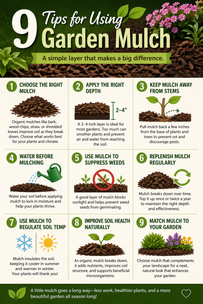
9 Tips for Using Garden Mulch
Mulch is one of the easiest and most effective ways to improve your garden. Whether you're growing vegetables, flowers, or trees, a simple layer of mulch can boost plant health, reduce maintenance, and create a more polished look. If you're not already using mulch—or want to use it more effectively—these nine tips will help you get the most out of it.
1. Choose the Right Mulch
Not all mulch is created equal. Organic mulches like bark, wood chips, straw, and shredded leaves are popular because they break down over time and improve soil quality. Choose a mulch that suits your plants, climate, and garden style. For example, straw works well in vegetable gardens, while bark is great for landscaping beds.
2. Apply the Right Depth
More mulch isn’t always better. A layer that’s 2–4 inches thick is ideal for most gardens. Too little won’t block weeds, and too much can suffocate plant roots by preventing air and water from reaching the soil.
3. Keep Mulch Away from Stems
Avoid piling mulch directly against plant stems or tree trunks. This can trap moisture and lead to rot or pest issues. Instead, leave a small gap around the base of each plant to keep it healthy.
4. Water Before Mulching
Always water your soil before applying mulch. This helps lock in moisture and gives your plants a strong start. Adding mulch to dry soil can actually make it harder for water to penetrate later.
5. Use Mulch to Suppress Weeds
Mulch acts as a natural weed barrier by blocking sunlight. This prevents weed seeds from germinating and reduces the amount of time you spend pulling weeds. It’s one of the easiest ways to keep your garden low-maintenance.
6. Replenish Mulch Regularly
Organic mulch breaks down over time, which is great for your soil—but it also means you’ll need to refresh it. Plan to top off your mulch once or twice a year to maintain the proper depth and effectiveness.
7. Regulate Soil Temperature
Mulch acts like insulation for your soil. It keeps roots cooler during hot summer months and helps retain warmth during colder seasons. This stable environment helps plants grow more consistently.
8. Improve Soil Health Naturally
As organic mulch decomposes, it adds nutrients back into the soil. It also improves soil structure and supports beneficial microorganisms, creating a healthier growing environment for your plants.
9. Match Mulch to Your Garden Style
Mulch isn’t just functional—it’s also decorative. Choose a mulch that complements your garden’s look. Dark bark mulch can create contrast, while lighter materials like straw offer a more natural, rustic feel.
Final Thoughts
A little mulch goes a long way. By applying it correctly, you can enjoy healthier plants, fewer weeds, and less time spent on maintenance. Whether you're a beginner or an experienced gardener, mulch is a simple upgrade that delivers big results all season long.